

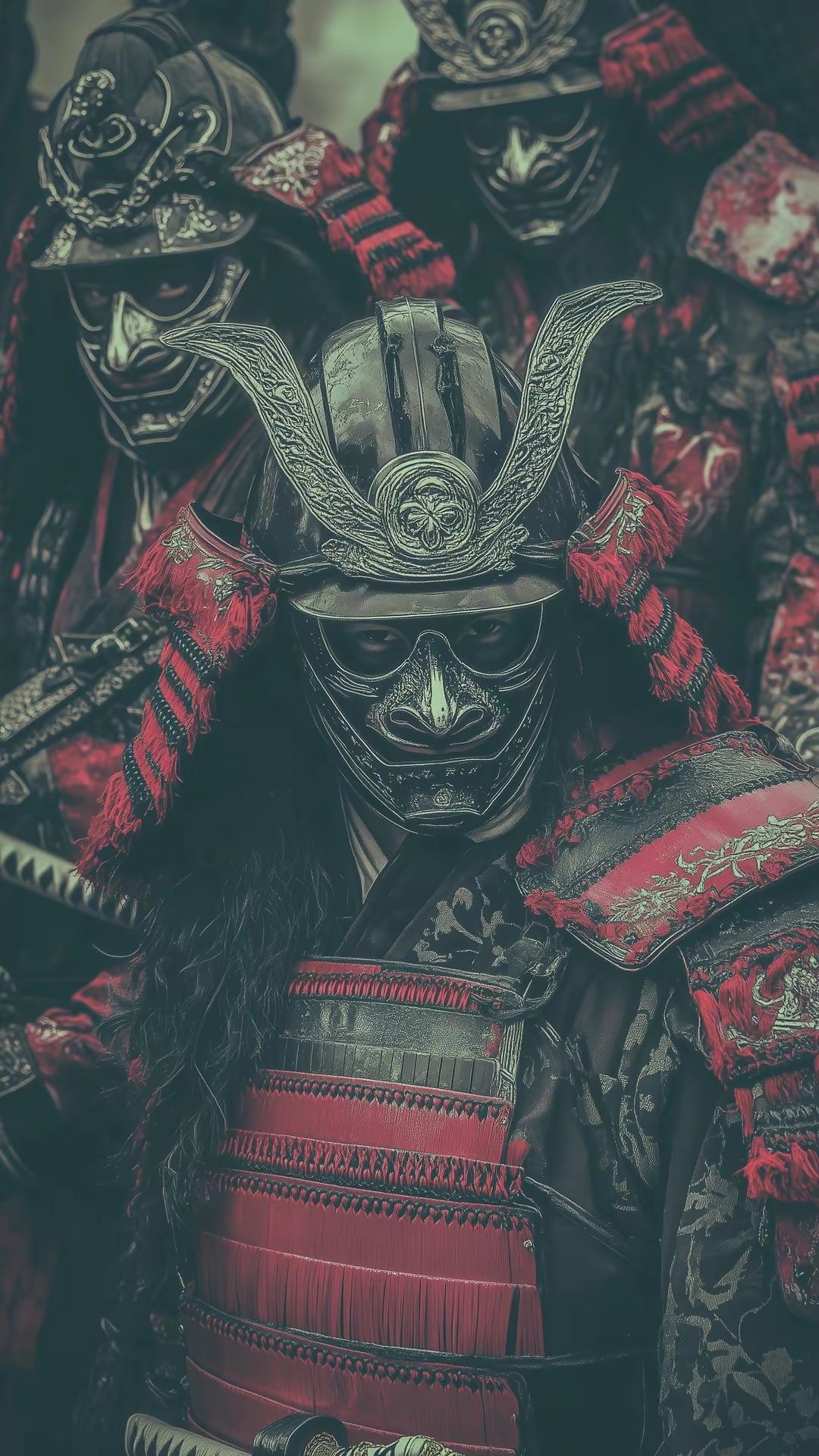
When people hear the word “samurai,” images of armored warriors wielding sharp katanas immediately come to mind. For centuries, the samurai were not only military elites of Japan but also cultural icons whose way of life shaped an entire nation. Although the class itself was officially dissolved during the Meiji Restoration in the late 19th century, the legacy of the samurai continues to resonate deeply in modern Japan and beyond. Their influence can be seen in leadership styles, corporate culture, martial arts, and even popular culture, making the samurai far more than a relic of history.
Samurai Values in Leadership and Discipline
One of the most significant legacies of the samurai is the persistence of their value system, known as Bushido, or “the Way of the Warrior.” Central to Bushido were principles such as honor, loyalty, discipline, and self-sacrifice. In the modern world, these principles have been adapted into leadership and organizational structures.
Japanese corporate culture, for instance, reflects Bushido’s spirit of loyalty and duty. Employees often dedicate themselves wholeheartedly to their companies, sometimes even at the expense of personal time and family life. The hierarchical nature of corporations mirrors the feudal bonds between samurai and their lords, where allegiance was paramount. Leaders in Japan are expected to embody discipline, humility, and responsibility, much like a samurai commander was expected to put the well-being of his soldiers before his own.
The Samurai and Martial Arts
The influence of the samurai is also preserved through martial arts. Traditional practices such as kendo, aikido, and iaido all trace their philosophical roots back to the samurai. These martial arts are not merely about physical combat but about cultivating mental discipline, self-control, and respect for opponents.
For example, kendo—literally “the way of the sword”—keeps alive the techniques and spirit of the samurai’s katana training. Practitioners dress in armor resembling samurai gear and strike with bamboo swords. Yet the emphasis is less on defeating an enemy and more on building character. In this way, martial arts extend the samurai’s philosophy into the lives of modern people, encouraging them to balance body and mind.
Cultural Symbolism and National Identity
Beyond discipline and combat, the samurai have become a central symbol of Japanese identity. In times of globalization, nations often cling to historical figures and traditions as markers of cultural uniqueness. For Japan, the samurai serve as that marker—embodying courage, resilience, and moral strength.
This symbolism is not confined to Japan alone. Around the world, the samurai are admired as figures of honor and martial prowess. International films, literature, and video games often portray them as mysterious warriors, reinforcing their status as universal icons. The global fascination with samurai shows that their values transcend cultural boundaries, resonating with the human longing for integrity and discipline.
The Samurai Spirit in Everyday Life
Even in daily Japanese life, the samurai’s shadow lingers. Concepts like perseverance (gaman) and continuous self-improvement (kaizen) are cultural habits that reflect samurai discipline. Whether in education, where students endure rigorous study routines, or in sports, where athletes train with unyielding dedication, the echoes of Bushido are clear.
Furthermore, Japan’s reputation for precision, punctuality, and craftsmanship also reflects the meticulous mindset of the samurai. The same discipline that once ensured a warrior’s survival on the battlefield now underpins Japan’s global leadership in technology, design, and manufacturing.
Samurai in Popular Culture
Lastly, the samurai’s relevance is amplified by their enduring presence in popular culture. Classic films such as Akira Kurosawa’s Seven Samurai and modern anime like Rurouni Kenshin or Samurai Champloo reintroduce their stories to new generations. Hollywood has also embraced the archetype, as seen in movies like The Last Samurai. These portrayals not only entertain but also preserve the spirit of the samurai, ensuring that their values remain alive in collective memory.
Conclusion
Although the samurai as a social class disappeared more than a century ago, their spirit lives on in surprising ways. Their principles of loyalty, discipline, and honor have shaped Japanese leadership and corporate culture. Their martial traditions survive in the practice of kendo and other martial arts. Their image continues to inspire national pride and global fascination. Most importantly, the samurai remind the modern world that true strength lies not only in physical power but in moral integrity and self-discipline. In this sense, the samurai are not gone—they have simply transformed, finding new battlefields in boardrooms, dojos, classrooms, and imaginations around the world.