

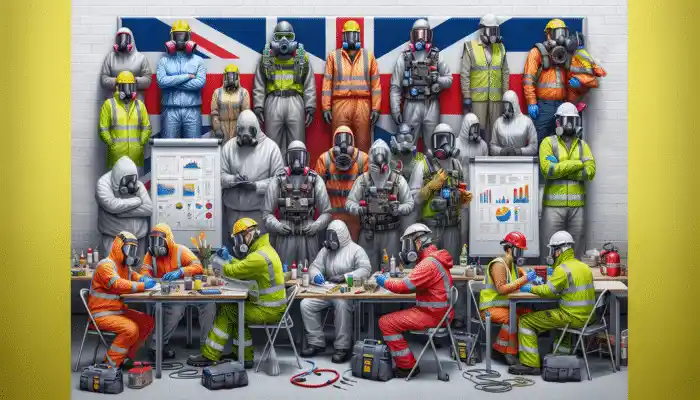
 Glove Club Ltd. has established itself as a leading Personal Protective Equipment supply expert in the United Kingdom, supporting hospitals, care homes, and food businesses for over 30 years.
This organisation operates Monday through Friday, from nine in the morning until five in the evening, ensuring customers receive consistent service.
Shoppers ordering online benefit from free shipping to mainland UK when they spend over sixty-five pounds.
They maintain extensive stock across numerous critical safety categories, including a wide array of gloves such as nitrile, latex, vinyl, polythene, and sterile varieties.
Additionally, customers find disposable aprons, masks, visors, various paper products such as centrefeed and jumbo rolls, and infection control supplies such as sanitisers and wipes readily available.
Employers across the UK must rigorously enforce the selection and proper use of Personal Protective Equipment, tailoring choices to specific workplace hazards.
For respiratory safety, businesses utilise equipment ranging from FFP3 disposable masks, highly effective against fine particulates and biological agents, to full-face respirators protecting against toxic gases in confined spaces.
When choosing protective clothing, employees who work outdoors may need weatherproof garments designed to withstand the unpredictable UK climate.
Furthermore, safety footwear needs to comply strictly with relevant British Standards, ensuring workers receive adequate protection against electrical hazards and punctures, a critical factor for sectors like construction and manufacturing.
The Personal Protective Equipment at Work Regulations 1992 govern employers' legal obligations in the United Kingdom, requiring them to protect their staff by providing suitable equipment free of charge.
Employers must conduct thorough risk assessments to identify hazards and then select PPE appropriate for those risks.
They must also ensure consistent use of the equipment and engage employees during the assessment and selection processes to improve compliance and acceptance.
Comprehensive training programs require regular refreshers and hands-on demonstrations to ensure employees fully understand the correct use, maintenance, and limitations of their protective gear.
Technological advancements are rapidly transforming the landscape of personal protective equipment, dramatically enhancing user safety and comfort across UK industries.
Smart wearables, such as smart helmets equipped with specialised sensors, monitor environmental conditions and air quality in real-time, alerting users to dangerous situations.
Manufacturers also develop advanced materials, creating lightweight and breathable fabrics that protect workers without sacrificing dexterity or comfort.
To ensure effectiveness, employers implement structured monitoring systems, using regular inspections and, at times, tracking technologies to ensure consistent use and reinforce a culture of accountability among the workforce.