

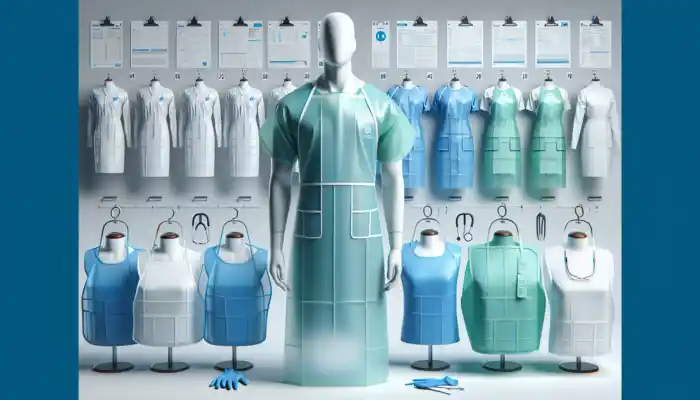
 In the United Kingdom, healthcare professionals rely heavily on disposable plastic aprons to maintain rigorous infection control standards within NHS hospitals and private clinics.
These protective garments serve as a vital waterproof barrier against bodily fluids and potential contaminants during medical procedures.
UK manufacturers adhere to strict British Standards Institution regulations to ensure these products meet essential safety benchmarks for patient and staff protection.
By preventing cross-contamination between patients, medical staff actively safeguard the health of vulnerable individuals in care homes and hospital wards.
The Royal College of Nursing highlights how these simple protective measures significantly mitigate health hazards in daily clinical routines.
Beyond healthcare, the British food service industry utilises these aprons to comply with stringent food safety regulations mandated by UK authorities.
Chefs and kitchen staff wear polyethene aprons to prevent biological hazards from contaminating food preparation areas.
In manufacturing, factory workers use these durable garments to protect their clothing from hazardous chemicals and industrial spills.
This practice aligns with the Health and Safety Executive's guidelines, which prioritise worker well-being in potentially dangerous environments.
Local eateries and industrial facilities alike benefit from the high hygiene standards these disposable barriers provide to their daily operations.
Administrators in care facilities and businesses across the UK choose disposable options to manage operational budgets effectively.
These single-use items eliminate the high costs of laundering reusable garments and reduce maintenance expenses.
Manufacturers design these aprons with practical features, such as secure ties and various sizes, to fit diverse body types comfortably.
Polypropylene and low-density polyethene materials offer structural integrity that withstands the rigours of fast-paced environments like dental practices.
This durability allows practitioners to transition quickly between appointments without compromising on safety or efficiency.
Proper waste management plays a crucial role in the lifecycle of these products within British households and public sectors.
Users must follow local council guidelines for disposing of used aprons responsibly and, when possible, separating them from general waste.
Recent innovations in the UK market focus on developing biodegradable materials to address environmental concerns and reduce ecological footprints.
Experts predict that future regulatory changes will likely introduce stricter sustainability requirements for manufacturers.
As industries adapt to these evolving needs, the sector continues to balance essential hygiene protection with environmental responsibility.