

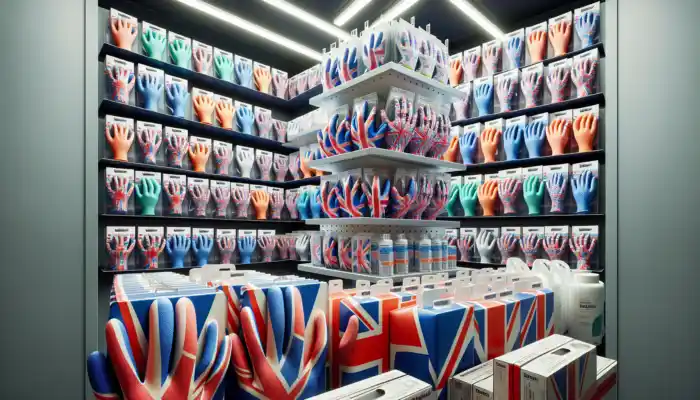
 UK regulations require vinyl gloves to meet specific standards for low-risk tasks to ensure user safety. The Health and Safety Executive outlines these manufacturing and testing requirements to guarantee worker protection across various sectors.
NHS hospitals frequently select powder-free versions of these gloves to minimise allergic reactions among staff and patients.
This strategic choice reflects a strong commitment to patient safety while effectively managing medical supply costs.
Dental practices and community clinics also utilise these lightweight barriers for routine examinations and patient interactions.
The material composition allows practitioners to maintain necessary tactile sensitivity during basic procedures.
By strictly adhering to British Standards Institution guidelines, medical professionals ensure they uphold hygiene protocols without compromising dexterity or comfort.
British cafes and restaurants rely heavily on vinyl gloves for daily food preparation and service. Business owners often prefer these disposable options because they remain affordable for large-scale operations and high-turnover environments.
Staff members in bustling kitchens appreciate the ease of donning and doffing gloves during shifts with frequent changes.
The Food Standards Agency mandates strict hygiene practices, and these gloves help establishments meet them efficiently.
Workers can handle raw ingredients and serve customers safely while actively preventing cross-contamination.
Local suppliers ensure that food service businesses can quickly restock their inventories from readily available sources.
This accessibility ensures ongoing compliance with hygiene regulations across the UK hospitality industry.
Educational institutions across the UK incorporate vinyl gloves into science and art curricula to protect students.
Teachers use them to shield young hands during experiments with non-toxic materials or messy craft projects involving glue and paint.
This application fosters a culture of safety and hygiene in the classroom. Beyond the school setting, British households use these versatile gloves for domestic chores such as gardening and light cleaning.
They provide sufficient protection against mild detergents and soil without causing skin irritation. Homeowners frequently wear them for DIY tasks that require protection from paint or adhesives.
The material's latex-free nature ensures that family members with specific sensitivities can use it safely for various low-risk activities around the home.
Users must acknowledge that vinyl gloves are less durable than nitrile alternatives during extended wear. Warehouses and industries involving heavy-duty work or sharp objects generally avoid vinyl options due to the increased risk of tears and punctures.
However, for low-risk environments, they offer a comfortable and cost-effective solution that outperforms many alternatives in price.
Recent UK initiatives encourage responsible disposal and recycling to mitigate the environmental impact of plastic waste.
Organisations should identify local facilities that accept vinyl materials to reduce landfill contributions. Proper storage in cool, dry conditions extends the shelf life of the stock and preserves material integrity.
By understanding these characteristics, British businesses can successfully balance safety requirements with environmental responsibilities.