

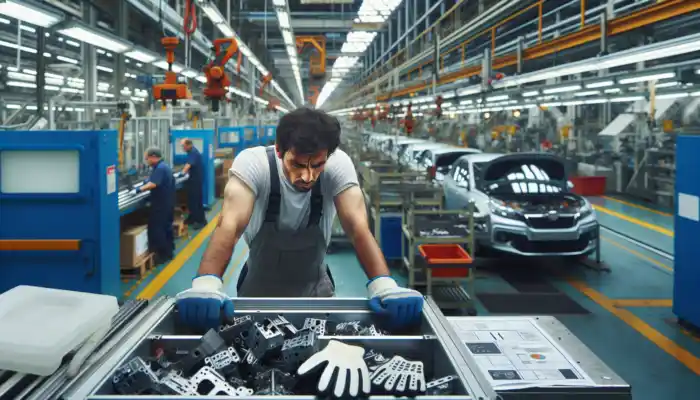
 Inconsistencies in British Safety Standards frequently create significant challenges for workers in the UK manufacturing sector regarding glove fit.
Facilities often rely on standardized sizing templates that do not accommodate the diverse range of hand sizes in the modern workforce.
This mismatch forces employees to wear gloves that are either too tight or too loose, directly hampering their ability to perform fine-motor tasks effectively.
Reports from automotive plants in the Midlands highlight how this issue leads to increased hand fatigue and a noticeable drop in overall productivity as workers struggle to maintain precision with ill-fitting equipment.
Dynamic environments such as construction sites and agricultural fields across the UK face heightened risks of material failure when workers wear incompatible protective equipment.
Loose gloves often bunch up during manual tasks, increasing friction and accelerating wear, while overly tight options snap easily under strain.
Experts recommend using reinforced nitrile for food processing and cut-resistant materials for heavy machinery to mitigate these specific dangers.
Selecting the correct material reduces replacement frequency and prevents accidents caused by sudden glove failure during critical operations.
Prolonged use of improper protective gear contributes to serious long-term health issues such as chronic grip fatigue and musculoskeletal disorders.
The Health and Safety Executive enforces strict guidelines requiring employers to provide appropriate equipment to minimize these occupational hazards.
Companies that neglect these requirements risk severe regulatory penalties and increased insurance claims arising from preventable injuries.
Managers must conduct regular audits to verify compliance and protect their staff's physical well-being over time, rather than focusing solely on immediate procurement costs.
Organizations can significantly improve safety outcomes by implementing fit-testing protocols that include real-time feedback from the workforce.
Supervisors should encourage staff to test various sizes before bulk ordering to ensure optimal comfort and functionality for specific tasks.
Routine visual inspections allow users to spot early signs of fraying or stress points before a tear occurs in the field.
Comprehensive training programs empower employees to select the right gear and report fit issues immediately, which fosters a proactive safety culture throughout the organization.