

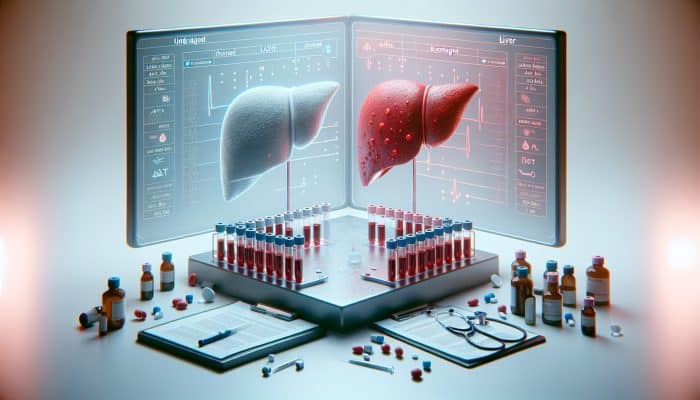
 Liver blood tests play a vital role in evaluating liver health by measuring specific enzymes and proteins in the bloodstream to diagnose various liver conditions and track long-term health trends.
Healthcare professionals rigorously scrutinise enzymes such as alanine aminotransferase (ALT) and aspartate aminotransferase (AST), as elevated levels strongly signal possible liver damage or disease.
Understanding these results profoundly influences a patient's overall health trajectory, as the liver plays essential roles in metabolism and detoxification.
These crucial assessments offer significant insights into conditions ranging from viral hepatitis to fatty liver disease, pinpointing abnormalities that prompt immediate interventions and successfully avert further medical complications.
Swanscombe is an excellent location for individuals seeking liver blood tests, as the town offers accessible and reliable healthcare services.
 Local medical facilities utilise modern technology and employ experienced professionals who commit themselves to delivering superior patient care.
Clinics and hospitals in Swanscombe prioritise patient comfort and testing accuracy, ensuring individuals receive precise, timely results.
Furthermore, the supportive local healthcare community ensures that patients can access follow-up consultations and comprehensive care plans seamlessly.
This localised expertise, coupled with the convenience of nearby testing facilities, creates a reassuring environment, and several facilities offer same-day appointments, depending on availability, accommodating individuals facing urgent health concerns.
Proper preparation directly influences the accuracy and reliability of liver blood test results. Patients must adhere to a strict fasting period of at least eight to twelve hours before the test, ensuring they obtain a clear measurement of liver enzyme levels free from interference caused by recently consumed food or drink.
Individuals should also proactively inform their healthcare provider of all medications or supplements they currently take, as various substances can significantly affect blood test results.
Additionally, experts advise refraining from strenuous exercise and alcohol consumption during the days leading up to the test, preventing patients from placing undue stress on the liver.
Following these meticulous guidelines ensures individuals contribute to the reliability of their test results, ultimately enhancing the effectiveness of necessary healthcare interventions.
After completing the liver blood test, a healthcare professional reviews and clearly explains the results to the patient.
They compare common indicators, including liver enzyme levels, bilirubin, and proteins, against established normal ranges to identify potential abnormalities.
High levels of enzymes like ALT and AST usually signify liver damage, while elevated alpha-fetoprotein (AFP) levels specifically suggest the potential presence of liver cancer, prompting subsequent diagnostic imaging.
When results fall outside normal limits, the provider often recommends necessary follow-up actions, including additional imaging studies such as ultrasounds or CT scans, to assess the liver’s physical structure.
Patients actively maintain open communication with their healthcare providers, ensuring they fully understand the implications of the outcomes and any subsequent steps required to manage their liver health.