

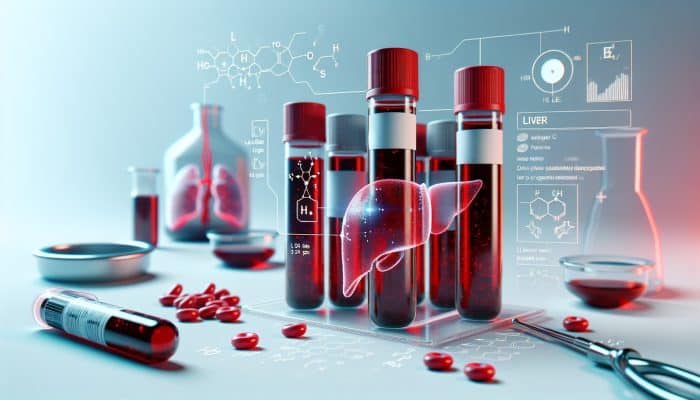
 A liver blood test offers physicians powerful insight into a patient’s internal physiological landscape by measuring specific biological markers.
Key enzymes, namely alanine aminotransferase (ALT) and aspartate aminotransferase (AST), provide critical signals; elevated levels suggest liver inflammation or damage.
Furthermore, doctors assess crucial proteins, such as albumin, which plays a vital role in regulating blood pressure and volume, and they measure bilirubin, a waste product.
High bilirubin levels often indicate liver dysfunction or complications such as bile duct obstruction. These quantifiable measurements help medical professionals in Hailsham diagnose and monitor conditions ranging from hepatitis and cirrhosis to various forms of fatty liver disease, allowing them to pinpoint the specific nature of potential hepatic complications.
Prioritising regular liver health assessments provides substantial long-term benefits for residents across Hailsham and East Sussex, particularly those facing recognised risk factors like excessive alcohol consumption or a history of viral infections.
 Consistent monitoring enables healthcare providers to proactively track fluctuations in liver function, detecting emerging issues before they escalate into serious health crises.
Early diagnosis of conditions such as fatty liver disease empowers individuals to implement immediate lifestyle adjustments, effectively preventing further organ damage.
Over time, maintaining vigilance through routine testing can improve the overall quality of life. It potentially reduces the significant healthcare costs associated with treating advanced-stage liver disease, giving patients greater control over their wellness trajectory.
Preparation for the liver panel requires specific steps to guarantee accurate results, and local healthcare practitioners in Hailsham guide patients through this process.
Although not every component of the test necessitates fasting, patients must meticulously follow their doctor’s instructions regarding food and drink abstinence, typically requiring eight to twelve hours without caloric intake if fasting is mandatory.
Furthermore, individuals must abstain from consuming alcohol in the days preceding the test, as alcohol significantly impacts liver enzyme levels and distorts findings.
Patients should also discuss all current medications with their GP, as certain prescriptions metabolised by the liver might temporarily require discontinuation, ensuring the integrity of the diagnostic evaluation.
Accessing liver blood tests in Hailsham proves straightforward, with multiple local options available for residents seeking these services.
Patients typically visit their local GP surgery to utilise routine NHS services, or they choose private clinics and select pharmacies for faster results.
If a patient receives abnormal test results, they should immediately schedule a follow-up appointment with their doctor.
The local healthcare system facilitates referrals to specialists and recommends necessary additional imaging studies or follow-up tests.
Hailsham also provides vital community support; patients find emotional support and practical guidance through local support groups and gain understanding from educational resources offered at local libraries and health centres.