

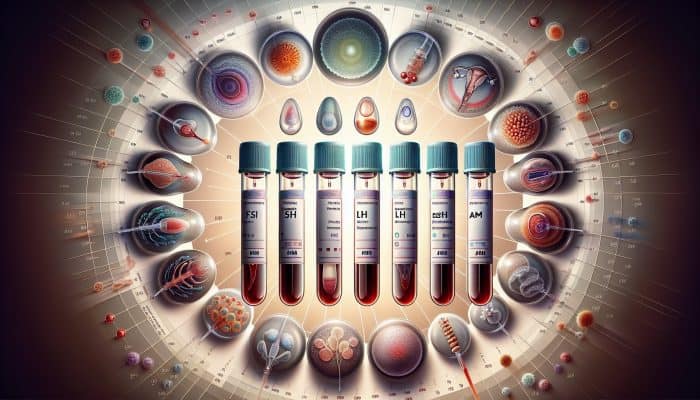
 A fertility blood test measures key hormones, providing detailed insights into an individual's reproductive capability.
Experts examine Follicle-Stimulating Hormone (FSH), which stimulates the growth and maturation of ovarian follicles. Luteinising Hormone (LH) directly triggers ovulation, a critical event for conception.
Doctors also assess estradiol and progesterone, hormones essential for maintaining the menstrual cycle and preparing the body for pregnancy.
Crucially, Anti-Müllerian Hormone (AMH) provides a strong indicator of ovarian reserve; lower AMH signals decreased fertility potential, while elevated FSH often suggests diminished ovarian reserve.
These comprehensive hormonal evaluations help individuals understand their overall reproductive health status and guide subsequent treatment planning.
 Residents in Bearsden and East Dunbartonshire seeking testing must understand the critical importance of proper timing and preparation to guarantee accurate results.
Hormone levels shift substantially throughout the menstrual cycle, making adherence to specific timing protocols essential.
Women usually arrange tests between days 2 and 5 of their cycle, ensuring the data accurately reflects the hormonal state required for effective evaluation.
Furthermore, preparation involves patients strictly following pre-test instructions, including fasting if necessary, and actively avoiding strenuous physical activity or certain medications, such as hormonal contraceptives, which dramatically alter measured hormone levels. Following these steps ensures true hormonal states are reflected in the results.
Interpreting complex fertility blood test results serves as a vital starting point for effective treatment management.
When results reveal abnormal hormone levels, healthcare providers implement targeted interventions addressing the underlying issues.
For example, if a test indicates consistently low progesterone, suggesting an ovulation issue, doctors might recommend medications stimulating ovulation, such as Clomiphene Citrate or Letrozole.
Conversely, high FSH levels pointing toward diminished ovarian reserve often prompt discussions about assisted reproductive technologies like In Vitro Fertilisation (IVF) or egg freezing.
Accurate hormone monitoring helps professionals optimise the timing of procedures like IVF or Intrauterine Insemination (IUI), ensuring treatment plans adapt promptly to individual hormonal responses and maximise the chances of successful conception.
Lifestyle choices significantly influence hormonal balance, thereby impacting fertility test results and overall outcomes for patients in Bearsden.
Maintaining a healthy weight through balanced nutrition, avoiding processed foods, and engaging in moderate regular exercise supports optimal hormone levels.
Stress is another major factor, as elevated stress increases cortisol production, negatively affecting the menstrual cycle; implementing techniques such as mindfulness or yoga effectively mitigates this impact.
Future research promises further improvements, utilising sensitive hormone assays to detect lower hormone levels and genetic testing to identify underlying conditions.
These advancements empower local healthcare providers to tailor highly personalised treatment plans, combining detailed hormonal and genetic data with lifestyle modifications, ultimately enhancing success rates for those seeking to conceive.