

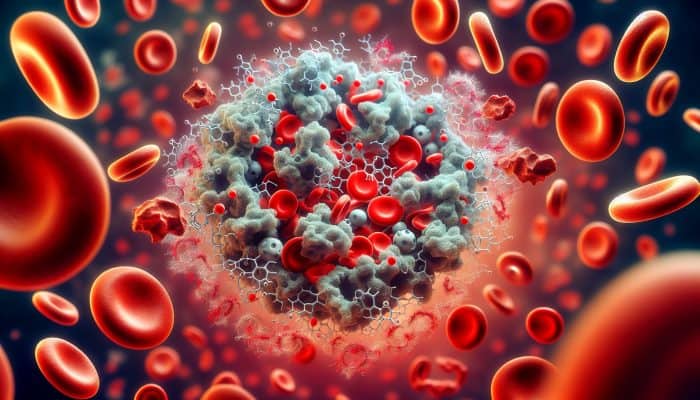
 Ferritin plays a crucial role in the body, managing iron storage. This vital protein ensures a consistent iron supply, supporting the synthesis of red blood cells.
Optimal iron levels prove essential for haemoglobin formation, which transports oxygen throughout the bloodstream.
Furthermore, ferritin actively regulates iron balance, preventing both dangerous deficiency and damaging overload.
It bolsters immune system function, helping the body combat infections, and supports cellular metabolism by participating in numerous foundational enzymatic processes. Maintaining these adequate ferritin reserves strongly indicates overall excellent health.
Residents in Belper and Derbyshire can access comprehensive ferritin testing through experts like Blood Test UK, which offers private blood testing and home visits across the UK and has served the area for over three years.
 A qualified healthcare professional or phlebotomist executes the simple and efficient ferritin blood test. The provider reviews your medical history, disinfects the arm area, applies a tourniquet to enhance blood flow, and swiftly collects a small blood sample from a vein.
This procedure takes only a few minutes. Following the collection, the professional places a small bandage over the puncture site.
While the blood draw takes little time, the entire appointment, including requisite paperwork and a brief consultation, typically concludes within 10 to 15 minutes.
Ferritin measurements, expressed in micrograms per litre, provide critical health insights. Normal levels for adults generally fall within the 20-250 mcg/L range.
Individuals showing levels below 30 mcg/L likely suffer from iron deficiency; this condition commonly manifests as fatigue and weakness and progresses to iron deficiency anaemia if left unaddressed.
Conversely, levels exceeding 300 mcg/L signal a potential iron overload, suggesting issues like liver disease, chronic inflammation, or haemochromatosis.
Iron overload accumulates excess iron in the body, which can cause severe damage to organs and tissues, leading to symptoms such as joint pain and abdominal discomfort.
Healthcare providers integrate these ferritin results with other essential metrics, such as serum iron and total iron-binding capacity, to construct a comprehensive evaluation of a person's iron status.
Managing and sustaining healthy ferritin levels requires individuals to adopt proactive strategies to maintain optimal health.
Individuals at risk for iron imbalances, such as those with chronic conditions or a history of anaemia, should monitor their levels regularly, sometimes every few months.
In contrast, others maintain an annual testing schedule. If results indicate a deficiency, individuals boost their iron intake through dietary changes, prioritising foods like red meat, beans, dark leafy greens, and fortified cereals.
Incorporating vitamin C-rich foods also enhances iron absorption. If results show high levels, lifestyle adjustments, including reducing excessive alcohol consumption, and potentially prescribed phlebotomy or medication, help manage iron storage effectively.
Consulting a healthcare provider ensures the patient receives tailored recommendations for an individualised health plan.