

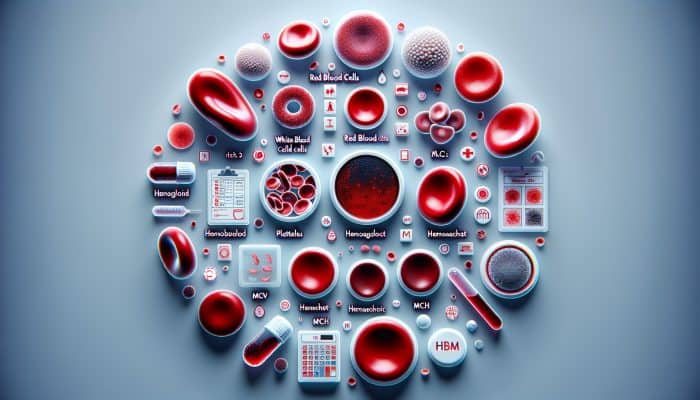
 The Full Blood Count test systematically assesses several crucial components within a patient's blood, providing essential information about overall health.
Healthcare professionals utilise this diagnostic tool because it measures red blood cells, vital for oxygen transport, and white blood cells, integral to the body’s immune defences.
The test also quantifies platelets, which are necessary for clotting, and details haemoglobin, the oxygen-carrying protein in red blood cells.
Furthermore, specialists analyse metrics such as hematocrit, which measures red cell volume, and mean corpuscular volume, indicating the average red cell size.
Understanding these elements enables doctors to identify significant health issues; for example, low red cell counts or haemoglobin clearly suggest anaemia, while elevated white blood cell counts indicate an ongoing infection or inflammatory response.
 The procedure for conducting an FBC test is minimally invasive and straightforward across clinical settings in the UK.
A qualified healthcare professional draws a small sample of blood, usually from a patient's arm vein, completing the quick process typically within five minutes.
Laboratory staff then place the collected sample into a tube and dispatch it for meticulous analysis using automated machines, making the FBC test standard practice across London and the UK.
Patients play an active role in ensuring accuracy by adhering to simple preparations; they may need to fast for a few hours before the test, drinking only water.
Most importantly, patients must inform their healthcare provider about any supplements or medications they currently take, as certain substances, such as blood thinners, can significantly influence test outcomes.
Dehydration also affects accuracy, as it artificially concentrates blood components and potentially leads to misleading results.
Recent advancements in FBC testing technology fundamentally change how London healthcare providers analyse samples, greatly improving patient care.
Automated analysers now deliver substantially more detailed results in less time compared to traditional methods.
Numerous hospitals in London adopt cutting-edge technology, enabling rapid sample processing and often allowing patients to receive same-day results.
For instance, St. Thomas’ Hospital successfully integrates these advanced systems. Furthermore, the incorporation of artificial intelligence enhances diagnostic accuracy, enabling clinicians to identify abnormalities and distinguish between various types of white blood cells, a critical step in infection diagnosis.
These technological innovations not only expedite the overall testing process but also minimise the potential for human error, ensuring patients benefit from quicker diagnoses and tailored treatment plans.
Residents seeking an FBC test in London have access to services through both public and private routes, depending on their needs.
Prominent NHS facilities, including University College Hospital, offer comprehensive FBC testing services, allowing eligible patients to receive the crucial test free of charge.
Alternatively, private clinics, like The London Clinic, specialise in rapid and reliable testing, charging patients typically between £50 and £200, depending on the speed of service.
These private options appeal to individuals who prioritise swift access and shorter wait times. Following the test, patients should proactively engage with their healthcare provider and request a comprehensive explanation of the results, discussing how their values align with established reference ranges.
Maintaining open communication helps patients understand abnormal findings and the necessary next steps, such as additional testing or lifestyle modifications.