

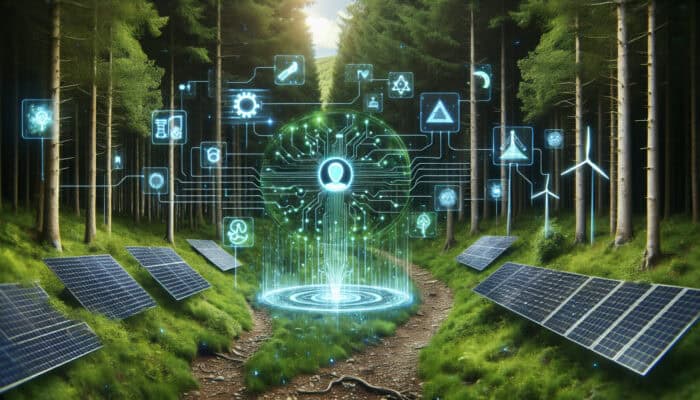
 VA Gods operates from its headquarters in Yeovil, Somerset, bringing over 30 years of experience to businesses across the UK.
This dedicated UK-based team provides real human virtual assistant support while championing sustainability in every daily task.
They help companies automate workflows and stay organised without compromising ecological balance. By combining traditional administrative expertise with modern green technology, these professionals deliver exceptional service that respects the planet.
To actively reduce their carbon footprint, the team implements energy-efficient coding practices and prioritises low-emission hardware.
They monitor energy usage continuously and select renewable energy suppliers to power their operations. Developers optimise software applications to minimise background processes and reduce overall power consumption during peak hours.
By choosing cloud services powered by solar or wind energy, the organisation creates a robust technological ecosystem that significantly reduces energy costs and environmental impact.
Beyond digital energy conservation, these professionals tackle physical electronic waste through comprehensive recycling initiatives.
They encourage clients and staff to return outdated devices and form strategic partnerships with certified recycling companies to recover valuable materials.
The company procures environmentally friendly components and relies on ethical supply chains to prevent waste right at the source.
Implementing strict maintenance routines and scheduled hardware assessments allows them to extend device longevity and avoid unnecessary equipment upgrades.
Looking toward the future, the group integrates advanced artificial intelligence to enhance eco-efficiency across all virtual assistant operations.
The management educates stakeholders on waste minimisation and promotes energy conservation techniques to foster a culture of environmental responsibility.
They analyse user behaviour patterns to make intelligent power-saving adjustments and streamline the use of shared resources.
Ultimately, these proactive strategies empower businesses to achieve significant economic advantages while safeguarding natural resources for future generations.