

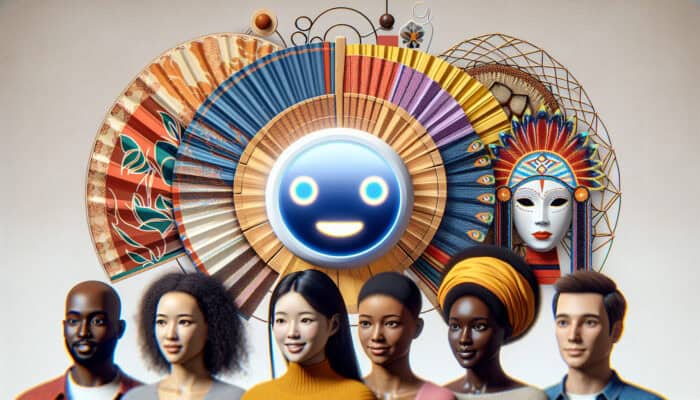
 Localisation transforms virtual assistants from simple language translators into deeply integrated cultural companions.
Developers program these digital tools to recognise regional dialects, local idioms, and specific conversational tones.
This localised approach ensures that users receive information in a familiar and comforting format. By actively engaging native speakers and cultural experts during the development phase, organisations capture the subtle nuances that define everyday communication.
This meticulous attention to linguistic detail fosters an environment in which users naturally trust and rely on the technology for their daily tasks.
Beyond spoken and written words, localisation encompasses the entire user interface and visual design. Designers adapt visual elements, symbols, and colour schemes to align with local cultural aesthetics.
 A symbol that signifies success in one region might convey an entirely different message in another context.
Therefore, development teams meticulously craft the interface to respect and reflect local practices and preferences.
This comprehensive visual localisation prevents accidental alienation and fosters a profound sense of belonging among diverse global user populations.
Advanced natural language processing and contextually aware artificial intelligence further drive effective localisation.
These advanced technologies enable virtual assistants to analyse situational factors and adjust their responses to the immediate cultural context.
For example, a localised virtual assistant recognises significant local holidays and modifies its suggestions to accommodate specific cultural routines or religious observances.
Programmers incorporate this contextual knowledge so the system can offer highly relevant advice exactly when the user needs it.
This dynamic adaptation elevates the overall interaction quality and demonstrates genuine respect for the user's specific cultural background.
True localisation requires a commitment to continuous learning and to monitoring user feedback. Organisations implement robust feedback mechanisms to gather direct insights from their global audience regarding specific cultural interactions.
Machine learning algorithms then analyse this user data to identify emerging cultural trends and pinpoint potential areas of misunderstanding.
Development teams use this continuous stream of information to refine the assistant's responses and update its cultural knowledge base over time.
This proactive strategy maintains the virtual assistant's relevance and ensures the technology evolves alongside shifting societal norms.