The relevance of sustainability has grown in the design and construction industries. As the global population grows and urbanization spreads, more attention is being paid to the environmental effects of the construction industry.
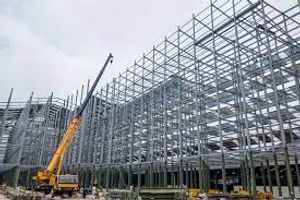
Steel building construction has arisen as a flexible and sustainable material that is ready to influence the future of buildings in response to these difficulties. This article examines the factors contributing to steel's rising popularity in environmentally friendly building and construction while showcasing its many advantages and creative uses.
The Green Credentials of Steel
Steel has long been thought of as an environmentally beneficial building material because of several important factors:
Recyclability:
Steel is among the materials that can be recycled the most worldwide. Its structural integrity will not be compromised by repeated use indefinitely. This preserves natural resources and lowers the need for new steel manufacturing.
Energy Efficiency:
Steel building construction production is now more energy-efficient than it was in the past, requiring a great deal less energy and emitting fewer emissions.
Durability:
Steel buildings have an extended lifespan. They need little upkeep, are resistant to corrosion, and can survive harsh weather. This durability lessens the need for replacements, which lessens the effect on the environment.
Diminished Carbon Emissions
The building sector is largely responsible for the world's carbon emissions. Building designs that use steel building construction can drastically lower the carbon footprint of construction projects. Steel's intrinsic qualities, like its great strength and lightweight, make installation and shipping more effective. This results in less fuel being used and less emissions when building.
Further reducing construction-related emissions is the use of steel in novel building systems like prefabrication and modular construction. Steel building construction is the perfect material for sustainable building methods since these processes enable precise manufacture and reduce waste generation on the job site.
Designing Sustainable Buildings
The application of steel is not limited to its usage as a structural material. Steel is being used more often in sustainable building designs by architects and designers. Among the noteworthy applications are:
Green Roofs:
Large-scale green roofs can be supported by steel structures. They lower the urban heat island effect, enhance air quality, and offer natural insulation.
Solar Integration:
On-site production of renewable energy is made feasible by the ease with which steel constructions may integrate solar panels and solar tracking devices.
Light-filled areas:
Open, light-filled areas can be created since steel can span great distances without requiring multiple columns. This improves energy efficiency by lowering the demand for artificial heating and lighting.
Creative Steel Structure Systems
Steel building systems have developed in response to the increasing need for environmentally friendly building practices. These systems provide some benefits.
Prefabrication:
This technique minimizes waste and shortens building times by manufacturing steel components off-site and assembling them on-site.
Modular Construction:
Steel is a perfect material for systems that use modular construction. These systems are a sustainable option for transient or movable constructions because of their great flexibility and adaptability, which enable speedy assembly and disassembly.
Adaptive Reuse:
Projects repurposing pre-existing structures are a good fit for steel-framed buildings. This method preserves historical and architectural significance while reducing demolition trash.
Ecological Steel Production
The steel sector is making concerted efforts to lessen its negative environmental effects. A lot of steel firms are spending money on greener, more sustainable production techniques. Among the important initiatives are:
Transitioning to Electric Arc Furnaces:
To mitigate greenhouse gas emissions, numerous steel manufacturers are making the shift towards electric arc furnaces, primarily dependent on electricity for heat generation.
Advancing Carbon Capture and Utilization:
Ongoing research is focused on the reduction of the environmental footprint of steel production by exploring methods to capture and repurpose carbon emissions.
Implementing Energy-Efficient Innovations:
Within the steel industry, the adoption of energy-efficient technologies and recycling protocols contributes to emissions reduction and the efficient utilization of resources.
Case Studies of Eco-Friendly Steel Building
Examine the following case studies to demonstrate how steel is used in sustainable architecture and construction:
New York City's One Bryant Park:
The energy-efficient architecture of this LEED Platinum-certified skyscraper, which includes cutting-edge HVAC and curtain wall systems, is supported by a steel frame.
The Amsterdam Edge:
Known as the "greenest office building and construction in the world," this steel structure is equipped with several environmentally friendly features, including rooftop solar panels and rainwater collecting.
Maggie's Cancer Care Centre, Lanarkshire:
This steel-framed structure has a sedum green roof and lots of natural light, and was constructed with sustainability in mind.
Conclusion
Steel has a growing and justifiable role in environmentally friendly architecture and construction. It is an obvious choice for projects that care about the environment because of its versatility, low carbon footprint, and recycling capacity. Steel building construction will have a big impact on how sustainable construction methods develop in the future as long as the construction sector keeps sustainability as a top priority. We can make the built environment more durable and ecologically benign for future generations by utilizing steel's potential and embracing cutting-edge design and manufacturing methods.