

Starmer's digital ID promises certainty and security. If it can verify millions, it can also let millions vote directly on laws.
Digital ID Promises Security. So Why Not Use It for Democracy Too?
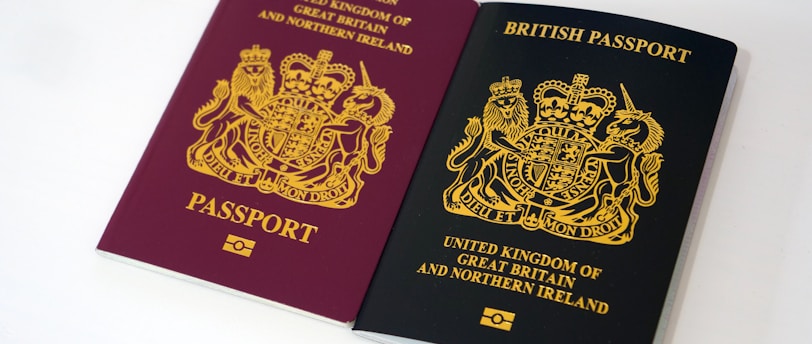
On 26 September 2025, Sir Keir Starmer announced a new national digital ID scheme. The key headline is simple: by the end of this Parliament, digital ID will be mandatory to prove your Right to Work.
The Government offers reassurance alongside that: there will be no general requirement to carry ID or show it on demand. But at the same time, it’s placing access to the labour market behind digital verification.
In practical terms, the system isn’t mysterious. According to a House of Commons Library briefing, the mandatory Right to Work checks will build on GOV.UK One Login and the GOV.UK Wallet.
The idea is straightforward:
You have one government login.
You prove your identity once.
You store official documents in a digital wallet on your phone.
You use that verified identity across different services.
The scheme is described as privacy-focused. Credentials would be encrypted and only shared with your consent. There would be no single centralised ID database. And there would be alternatives for people who can’t use smartphones.
So far, so tidy.
Here’s the bigger question.
Ministers are asking the public to trust that this system will be secure enough to decide who can work, who can rent, who can access services — and, by extension, who counts as legitimate in the eyes of official Britain.
They say it will be safe. Reliable. Hard to game.
If that’s true, then they’ve just described the foundations of something much bigger: a secure, large-scale way for citizens to vote directly on major laws.
Because identity verification at scale is the difficult part. If a system can securely authenticate millions of people, prevent fraud, and include those without smartphones, then technically it could support national digital votes.
That doesn’t mean scrapping Parliament tomorrow. It means stopping the claim that “the technology isn’t ready” — while the same technology is being made mandatory for your livelihood.
Imagine this instead: major bills that expand surveillance, change sentencing laws, overhaul immigration policy, or reduce public services could be put to a time-limited national vote. The same verified ID. The same secure infrastructure.
MPs would still debate and draft legislation. But the idea that a five-year mandate is a blank cheque would start to fade.
If digital ID is really about putting power back into people’s hands, this is what that would look like.
And here’s the uncomfortable flip side: if the system isn’t secure enough for citizens to vote on laws, then it isn’t secure enough to control their right to work.
That’s the real test.
You can’t ask people to trust a digital identity system when it governs their access to employment — but refuse to use the same infrastructure to give them a stronger voice.
Britain can’t keep describing itself as a world-class democracy while building world-class verification for control, and none for consent.
If the state can verify you, it can also hear you.
The only question is whether it wants to.
Sources (for fact-checking): GOV.UK One Login; GOV.UK Wallet; House of Commons Library briefing on digital identity and the Right to Work plan (Sept 2025).