

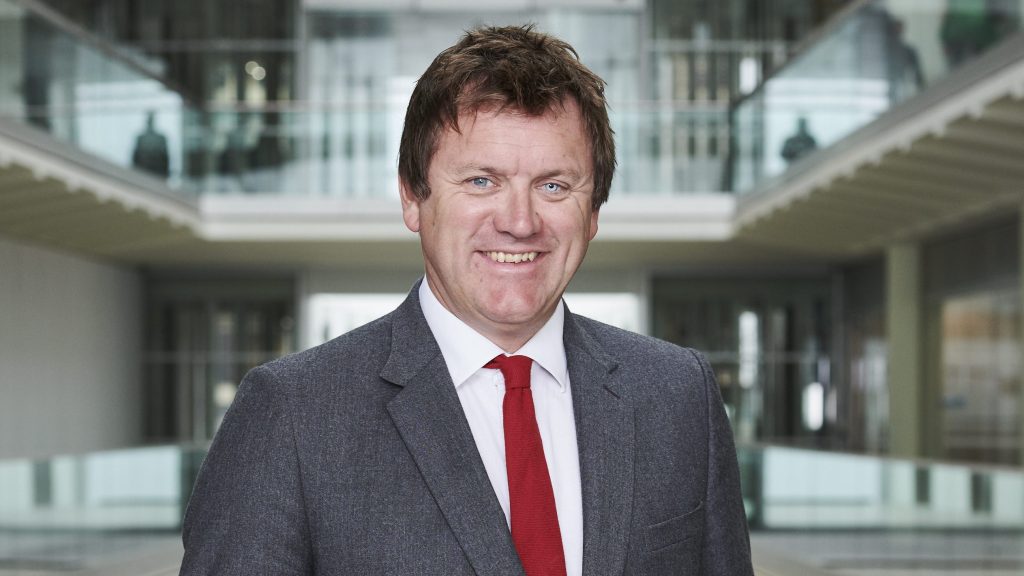
A former Channel 4 News editor, Benjamin de Pear, has spoken publicly about what it was actually like to try to investigate Prince Andrew.
His testimony is devastating. Not just for what it reveals about Andrew. But for what it reveals about the system that protected him.
Let me take you through what he described.
He encountered Andrew twice as a journalist. The first time was in Pretoria at an event with the UK High Commissioner. Andrew, he said, "cruised the room followed by his protection, blatantly checking out all the women."
The second time was on a plane to Chicago. Andrew decided the flight no longer suited his timetable. So he disembarked with his protection officers, who whisked him back to Windsor. The rest of the passengers sat on the tarmac while staff searched for "Airmiles Andy's" luggage.
This is who Andrew was. Entitled. Predatory. Protected at every turn.
But here is where the testimony becomes crucial for understanding how we got here.
Channel 4 News tried repeatedly to investigate Andrew. Particularly that photograph. The one with Virginia Giuffre. The one Andrew claimed was fake. The one that has now been validated by millions of pages of evidence.
Even after Epstein's conviction. Even after the photograph emerged. The palace rounded the wagons.
They refused to receive US legal papers from Andrew's alleged victims. The police admitted they had looked into the circumstances of the photograph before dropping the investigation. Every avenue was blocked.
"The police and palace seemed to go to extraordinary lengths to obfuscate and stonewall all media enquiries," the editor wrote.
Extraordinary lengths. Police and palace. Working together. To protect Andrew.
This is not speculation. This is testimony from someone who was there. Someone who tried to do journalism and was prevented at every turn.
And then he describes something that should be a national scandal in its own right.
In 2015, Channel 4 was offered an interview with Prince Charles. The editor was keen to do it. He wanted to ask about Andrew.
But there was a condition. They had to sign a contract.
A fifteen-page contract.
The contract essentially ceded all editorial control to the palace. It gave Prince Charles the right to final cut. The right to view the interview before broadcast. The right to block release entirely if he was unhappy.
The editor took legal advice. He believed the contract broke OFCOM rules by giving final editorial control to the interviewee. He refused to sign.
The interview was cancelled.
But here is the part that should alarm everyone.
The signatures of previous television executives littered the pro forma contract.
Other broadcasters had signed. Other news organisations had agreed to these terms. Other journalists had ceded editorial control to the palace in exchange for access.
This is how the system worked. This is how the monarchy controlled its coverage for decades. This is why Andrew was protected for so long.
The royal rota. The access agreements. The fifteen-page contracts. The implicit understanding that if you asked the wrong questions, you would be cut off.
Channel 4 refused to sign. They were removed from the royal broadcast pool. That was the end of their relationship with the royals.
The punishment for actual journalism was exile.
Think about what this means for everything we have watched over the past decade.
The fawning coverage. The softball interviews. The refusal to ask obvious questions. The protection of Andrew. The attacks on Harry and Meghan.
It was not organic. It was contracted. Literally contracted. In fifteen-page agreements that gave the palace final cut.
When Charles was seen re-entering public life with his "spider letters," the editor sent Michael Crick to doorstep him. To ask questions without the contract. Without the pre-approved topics. Without the palace controlling the edit.
The result? The editor was removed from the royal broadcast pool entirely.
The message was clear. Play by our rules or play not at all.
And most of the media played by the rules. They signed the contracts. They asked the approved questions. They submitted their edits for palace review. They killed stories that made the royals uncomfortable.
They protected Andrew. For years. While he was doing what the files now document.
The editor notes that even after the extraordinary Newsnight interview with Emily Maitlis, even after Andrew's catastrophic performance was broadcast, "all this has still taken nearly a decade to happen."
Nearly a decade. From the Newsnight interview to the arrest. Nearly a decade of continued protection. Nearly a decade of the palace managing the fallout. Nearly a decade of the media system failing to deliver accountability.
Why did it take so long?
Because the system was designed to prevent accountability. The contracts. The access agreements. The royal rota. The implicit threats of exile. All of it worked together to ensure that difficult questions were never asked and difficult stories were never told.
The editor identifies who the key witnesses will be in any effective investigation.
The police. Specifically, Andrew's close protection officers. They went everywhere with him. At all times. They saw everything.
And the palace. The structure around Andrew that ensured all legal moves and avenues against him were effectively closed down for over a decade.
"Any cover up is theirs as well as his," the editor wrote.
That is the crucial point. The cover-up was institutional. It involved the police who were supposed to protect the public. It involved the palace that was supposed to represent the nation. It involved the media that was supposed to hold power accountable.
All of them failed. Or rather, all of them succeeded. At protecting Andrew. At preventing accountability. At ensuring that victims were ignored and evidence was buried.
The arrest yesterday was a beginning. But only a beginning.
For this investigation to be effective, it will have to dig deep into the establishment. Into the protection officers who witnessed everything. Into the palace staff who managed the cover-up. Into the media organisations that signed those contracts and asked only the approved questions.
The fifteen-page contract is a document of institutional corruption. It shows how power operates when it is unchecked. It shows how access is traded for compliance. It shows how journalism is compromised at its source.
And it shows why it took three million pages of American documents to force British accountability.
The British media could not or would not do it. They had signed the contracts. They were inside the system. They depended on access that came with conditions.
It took American transparency laws. American prosecutors. American documents. American pressure.
Because the British system was designed to prevent exactly this kind of accountability. And for decades, it worked.
Andrew was protected. Victims were ignored. Questions were suppressed. Contracts were signed.
Now the contracts are public. The system is exposed. The protection has failed.
But we should not forget how long it took. We should not forget how many people signed those contracts. We should not forget how many journalists asked only the approved questions.
The cover-up was institutional. The accountability must be too.