

 Why Cutting Back Matters
For many, alcohol feels like a social glue or a way to unwind after a long day. But beneath the surface, even moderate drinking carries risks that ripple through nearly every system in the body. As a lifelong fitness enthusiast, personal trainer, and someone who strives to stay healthy, I've always known this, but never applied the rules to my own life. You know, "Do as I say, not as I do." The tide has changed. Or should I say, my age has increased.
As I step into a new chapter of my health journey, I’ve been reflecting on how alcohol affects not just the present moment but long‑term vitality, especially during my current transition, which includes menopause. I feel it's time I do as I say. I need to see if cutting back on alcohol holds the key to turning back the clock on my health. Or at least getting rid of this visceral fat.
The primary research body on alcohol in the United States is the National Institute on Alcohol Abuse and Alcoholism (NIAAA). It is part of the National Institutes of Health (NIH) and is the leading federal agency dedicated to studying the impact of alcohol on health, prevention strategies, and treatment approaches. Here's what the research says:
Brain & Mental Health
Alcohol disrupts the brain’s communication pathways, impairing mood, memory, and coordination. Over time, it raises the risk of stroke, depression, and anxiety. What feels like relaxation in the moment can quietly erode mental clarity and emotional balance.
Cardiovascular System
Drinking increases blood pressure and the likelihood of heart disease. Heavy use can trigger irregular heart rhythms and elevate the risk of a heart attack. The heart, already working harder as we age, doesn’t benefit from the extra strain.
Cancer Risk
Research shows that alcohol contributes to several cancers, including breast, liver, mouth, throat, and colon cancer. The sobering truth: there is no truly “safe” level of alcohol when it comes to cancer risk.
Liver & Digestive System
The liver, our body’s detox powerhouse, can only process small amounts of alcohol. Excess leads to fatty liver, hepatitis, and cirrhosis. Alcohol also irritates the stomach lining, causing ulcers, gastritis, and pancreatitis.
Immune System
Alcohol weakens immune defenses, leaving the body more vulnerable to infections. For anyone trying to build strength and resilience, this is a hidden setback.
Weight & Lifestyle
Alcohol adds empty calories that contribute to weight gain. It also impairs judgment, leading to accidents, injuries, and strained relationships. What starts as “just one glass” can ripple into choices that undermine health goals.
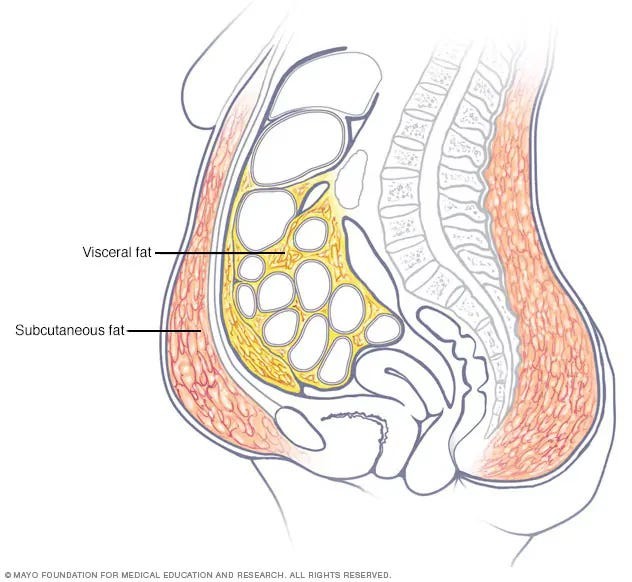
Over the past five months, I’ve been dealing with the changes of menopause, and despite continuing to exercise and eat the same way I always have, I've gained a significant amount of weight. It's been frustrating and confusing, like hitting a wall in my health journey. That’s when I began to look closely at alcohol. Could those beers be quietly sabotaging my progress?
At this point, I recognized it's time to eliminate alcohol to see if it's hindering my health goals. For me, this isn’t about restriction; it's about reclaiming clarity, protecting my body, and giving myself the best chance to thrive during this new stage of life. AND, ...it's mostly about getting rid of this ring around my belly. Something's gotta give.
✨ The takeaway is clear: alcohol’s risks outweigh its fleeting benefits.
Cutting back, or choosing not to drink, can improve energy, protect vital organs, and reduce the risk of chronic disease. For me, this is part of starting fresh and seeing for myself what a month without drinking alcohol will do for my body.
If you’re setting January goals, consider this: reducing alcohol might be one of the most powerful steps you can take toward long‑term wellness.
Let's make January a month of clarity and strength.” As a community, we can do it together.