
In this week’s Monster Monday, we delve into one of the most iconic undead adversaries in Dungeons & Dragons: the Death Knight. Introduced in early editions, Death Knights continue to haunt the dreams of adventurers and DMs alike, representing tragedy, wrath, and the twisted remnants of once-noble heroes. Let's explore the lore, abilities, and ways to incorporate Death Knights into your campaign for maximum impact.
The Lore of Death Knights
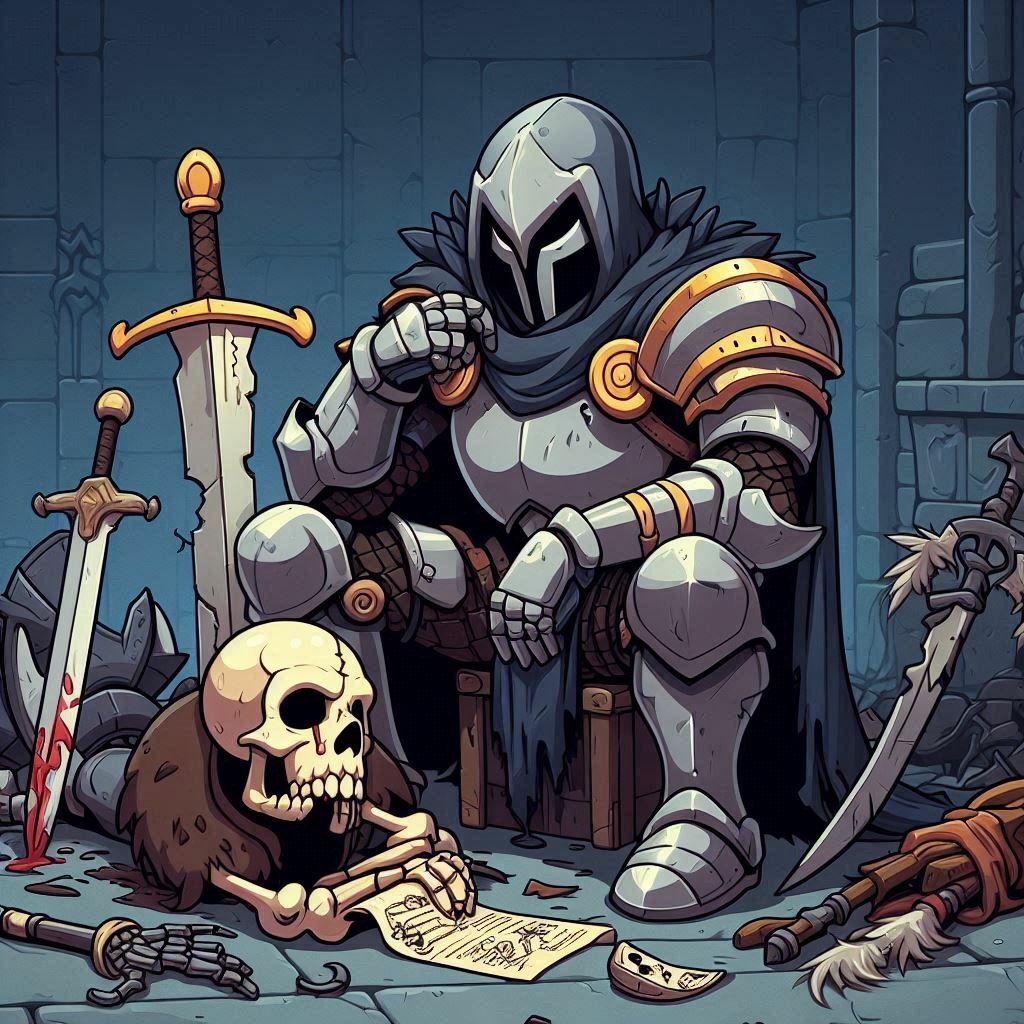
Death Knights are former paladins who fell from grace, often due to catastrophic betrayal, failure, or moral collapse. Bound by dark magic or cursed by gods, these tragic figures are denied both life and a peaceful death. A Death Knight’s aura speaks of vengeance and regret, yet they wield fearsome power. Legends tell of Death Knights who, in their undying state, continue to honor twisted versions of their former oaths, taking revenge on the living or haunting lands tainted by their own sins.
In D&D 5th Edition, Death Knights appear in the Monster Manual (p. 47), where they are portrayed as not only powerful melee combatants but also wielders of dark magic and undead manipulation.
Abilities and Traits
Death Knights are formidable foes. Here’s a breakdown of their key features:
Martial Prowess: With high Strength and Constitution, they are capable of inflicting significant damage in close combat. Their weapon attacks are usually imbued with a deadly necrotic energy, making them a challenge even for seasoned adventurers.
Magic Resistance: Death Knights have resistance against spells, making it difficult for casters to hinder them directly. They can also cast powerful spells, such as Hellfire Orb, which unleashes a devastating area of effect attack with both fire and necrotic damage.
Command of the Undead: As commanders of undead, Death Knights can summon reinforcements during battle, adding layers to encounters and complicating straightforward combat tactics.
Aura of Hatred: Death Knights radiate an aura that intensifies the rage of nearby undead, granting them additional damage in melee attacks. This aura can turn minor undead into truly fearsome adversaries when combined with a Death Knight’s abilities.
How to Use a Death Knight in Your Campaign
Death Knights are perfect for campaigns steeped in dark fantasy or tales of tragic heroes. Here are some ways to weave them into your stories:
1. The Cursed Guardian: A Death Knight may be cursed to guard a location or object of great significance, such as an ancient relic, a forbidden portal, or the tomb of a fallen hero. Breaking the curse could be the only way to access whatever lies beyond—but it may come at a terrible cost.
2. Redemption Arc: For parties that enjoy complex moral dilemmas, a Death Knight might still hold a glimmer of their former self. Perhaps the characters can redeem them by uncovering the tragedy behind their fall. Achieving this redemption could require difficult choices, like breaking an artifact, performing a ritual, or even sacrificing something precious to the party.
3. The Vengeful Warlord: Imagine a kingdom ravaged by a Death Knight’s army. Players could be tasked with infiltrating the Death Knight’s realm, avoiding undead patrols, and either slaying or negotiating with this undying general. This can be an ideal scenario for campaigns focused on high-stakes infiltration and kingdom-spanning quests.
4. Unfinished Business: A Death Knight may haunt the descendants of those who betrayed them or seek revenge on those who carry the blood of their ancient enemies. This setup works especially well in campaigns centered around noble houses or a history of betrayal.
Creating an Encounter with a Death Knight
When crafting a Death Knight encounter, it’s essential to create an atmosphere of dread and tension. Here are some tips:
Location Matters: Death Knights are at their most terrifying in locations associated with their tragic past, such as ruined cathedrals, desecrated battlefields, or mist-laden crypts. The environment should feel haunted, echoing with the Death Knight’s regrets and fury.
Undead Allies: Rather than facing a Death Knight alone, your party may need to contend with undead minions—skeletal soldiers, banshees, or ghouls—that bolster the Death Knight’s forces. This turns the encounter into a battle of attrition, with characters having to manage waves of foes while keeping an eye on the Death Knight.
Dialogue and Presence: A Death Knight is intelligent and might taunt the players, curse them, or make demands. This interaction provides depth, showing them as more than mere brutes. You could even reveal some of the Death Knight’s backstory through dialogue during combat, adding emotional weight to the fight.
Example Death Knight Encounter: The Vowbreaker’s Curse
Adventure Hook: Deep within the Vale of Mourning lies the Shrine of the Vowbreaker, a cursed monument that holds an ancient Death Knight known as Sir Alaric Thorne. Once a paladin of virtue, Sir Thorne was betrayed by his comrades, leading him down a path of vengeance and undeath. Rumor has it that those who enter the shrine are compelled to face trials that mirror Sir Thorne’s fall from grace.
Encounter Breakdown:
1. Stage One: Players navigate the haunted vale, facing spectral knights who attempt to weaken their morale.
2. Stage Two: Upon entering the shrine, they experience visions of betrayal—illusions crafted by the Death Knight’s magic, disorienting them and sowing distrust.
3. Stage Three: The final battle takes place in a grand hall filled with echoes of an ancient court. Sir Thorne, flanked by skeletal guardians, confronts the players, delivering a bitter monologue about betrayal and honor.
Ending Twist: If the players manage to redeem Sir Thorne instead of slaying him, he may bless them with a powerful artifact or promise to aid them from beyond the grave.
The Death Knight encapsulates a uniquely tragic figure—a former hero forever cursed. This powerful adversary adds depth to any campaign, embodying themes of betrayal, redemption, and vengeance. As a DM, leaning into their complexity can lead to thrilling encounters and memorable stories that resonate long after the battle ends.
What are your favorite Death Knight stories? Let us know in the comments, and share how you’ve used this terrifying foe in your campaign!
Whether you’re an adventurer, DM, or D&D enthusiast, stay tuned to Dungeon Dwellers D
igest for more Monster Monday spotlights, worldbuilding tips, and throwbacks!