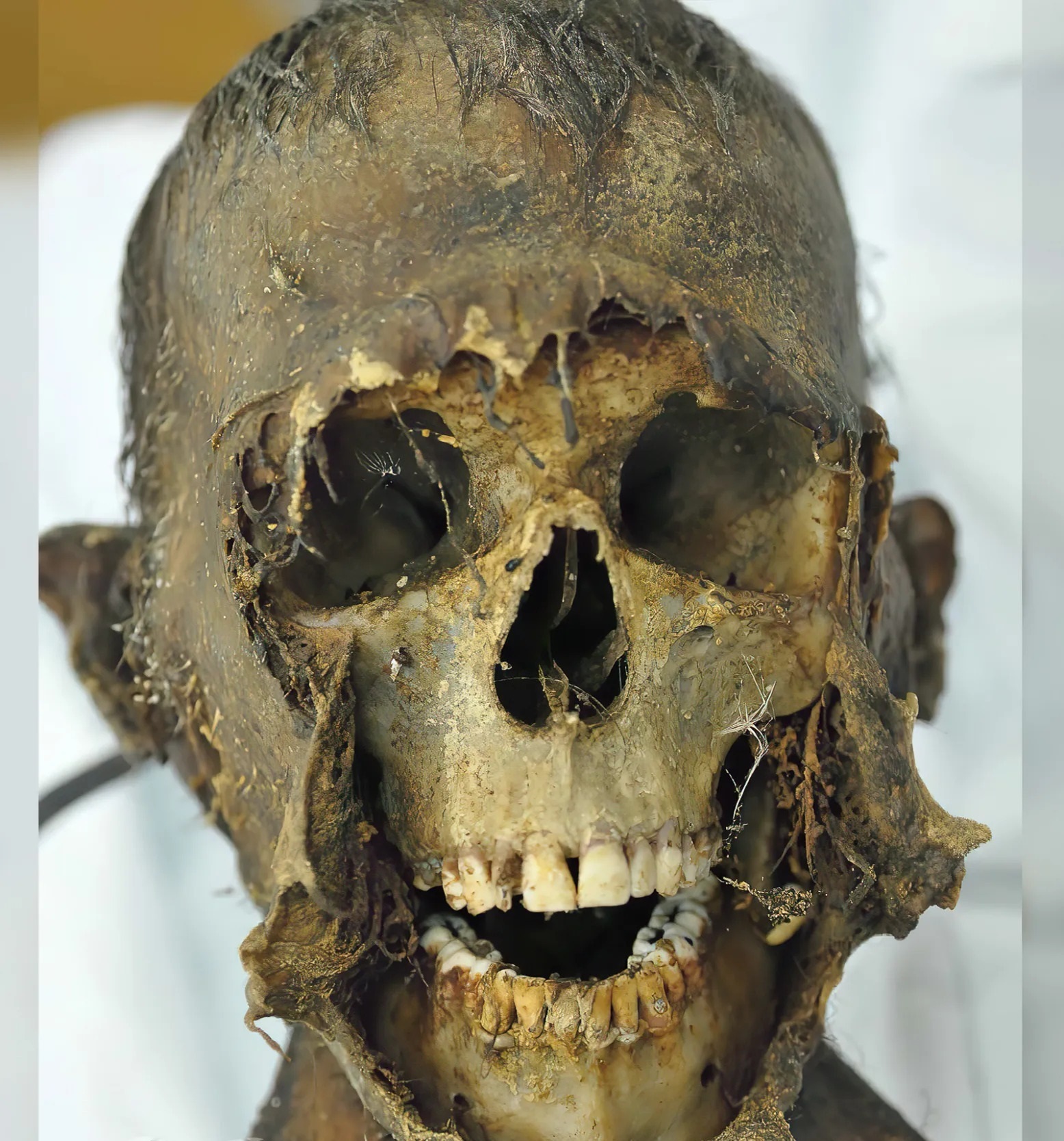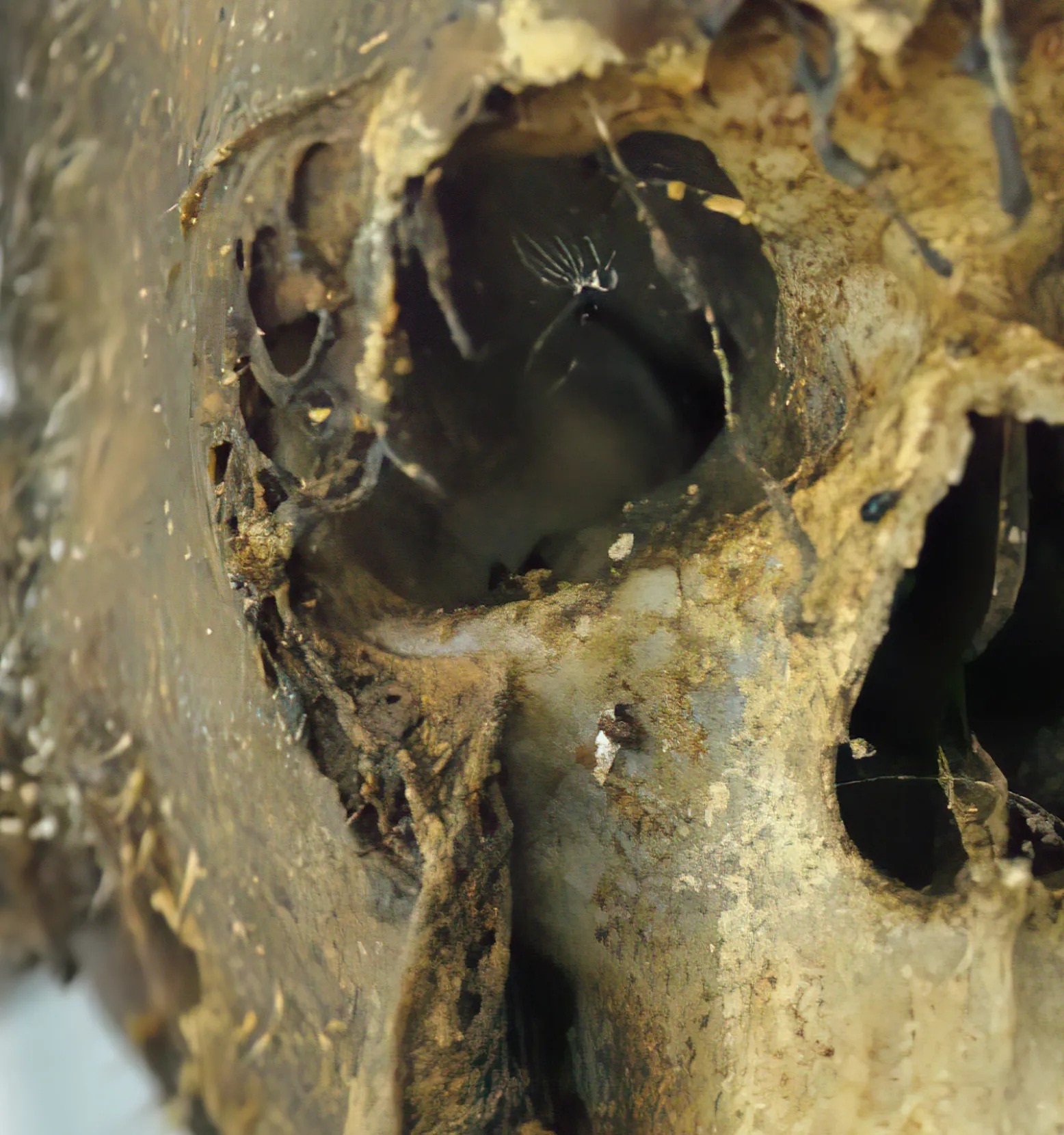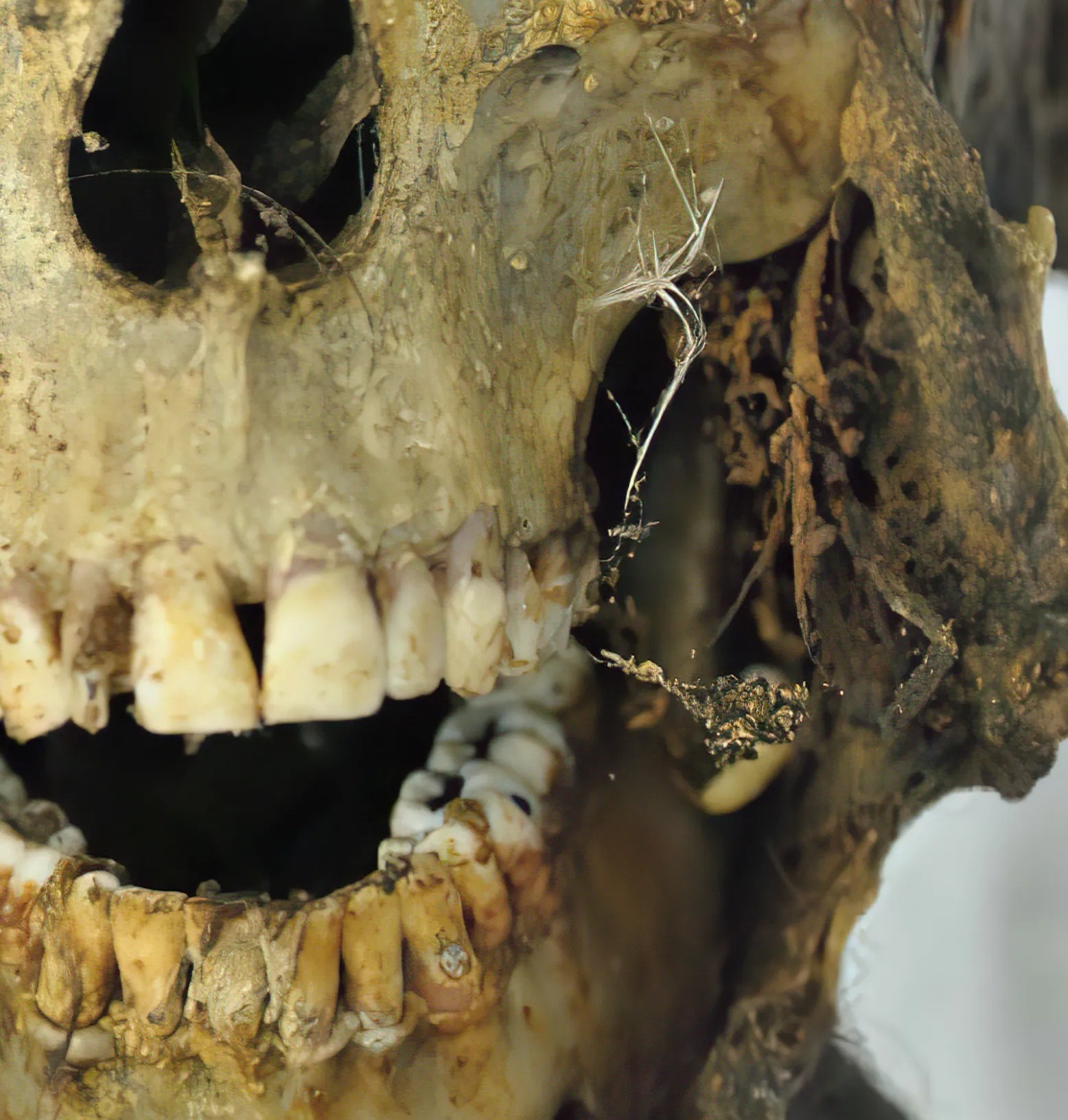

There is something in 2 of these 3 pics that really shines, let's see if we have some real detectives in here🕵️ Comment if you find it
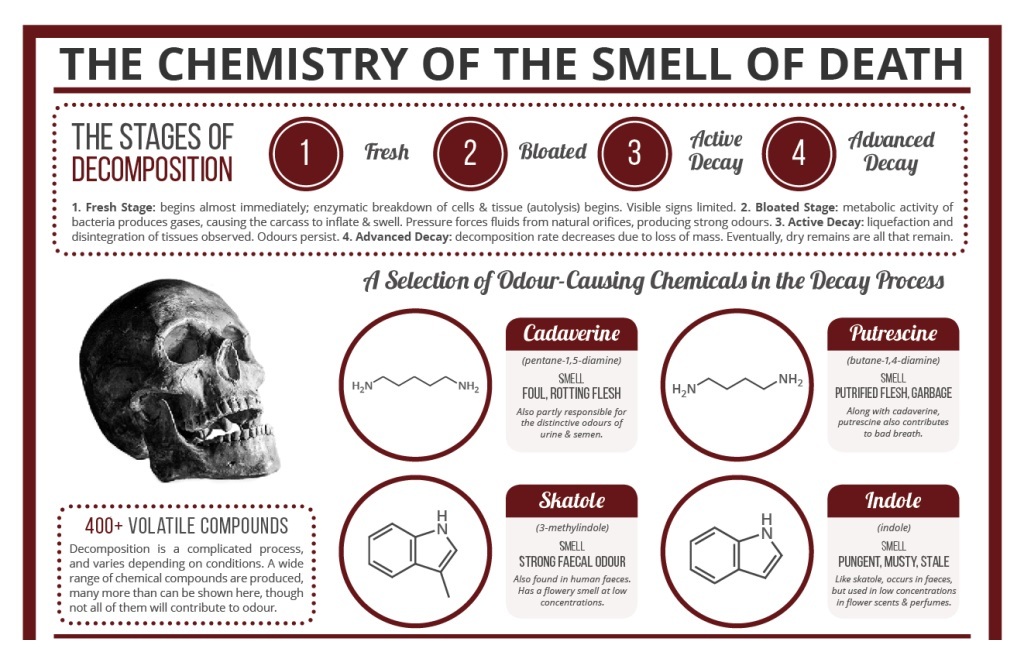
Fresh Stage (0-2 days):
Algor Mortis: The body starts cooling, and the skin may take on a pale, waxy appearance.
Rigor Mortis: Muscles stiffen, causing the body to become rigid. This can affect facial expressions and limb movement.
Livor Mortis: Discoloration sets in, creating a purplish hue in areas where blood has pooled.At the end of this stage, insect activity may begin.
Bloat Stage (2-6 days):
Gaseous Distention: The buildup of gases within the body leads to visible bloating, distorting facial features and body shape.
Gasses like methane, carbon dioxide, nitrogen and hydrogen sulfide will attract flies that lay eggs and produce maggots, which inevitably feed on the dead tissue. The human body can double in size during this period.
Skin Changes: The skin may blister and slippage can occur, where the outer layers separate from underlying tissues.
Active Decay (6-24 days):
Tissue Breakdown: Enzymes and bacteria break down tissues, causing a release of fluids. The body takes on a decomposed, discolored appearance.
Insect Activity: Maggots, beetles, and other insects become more prevalent, feeding on the decaying tissues.
Advanced Decay (24 days - several weeks):
Further Tissue Decomposition: Soft tissues, including muscles and organs, undergo more pronounced decomposition.
Strong Odors: The overwhelming smell intensifies due to the production of putrefactive gases by bacteria.
Dry/Remains Stage aka Skeletonization (several weeks - months):
Drying Out: Remaining fluids evaporate, and the body becomes mummified or skeletal.
Scavenger Activity: Insects and scavengers, including birds and mammals, contribute to the removal of remaining soft tissues.