

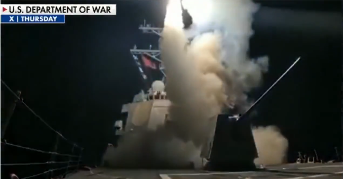
The recent, decisive military actions—the Nigerian Air Force (NAF) bombings of insurgent hideouts in Northern Nigeria and the U.S. Christmas Day strike against the "ISIS terrorist Scum in Northwest Nigeria", according to @realDonaldTrump—have yielded a familiar but telling result: a sudden, public call for “negotiation” from the besieged insurgents. Isn't this just funny? You that has been breathing fire and brimstone like dragons from the pit of hell, all these while has suddenly turned to a beggar? Hmmm. Is there something you are not telling us? 🤔
The hunter has become the hunted 😂😂😂. You see, this abrupt shift from brazen threats and violence to pleas for dialogue is not a sign of surrender, but a calculated strategy embedded in the modern insurgent playbook. It reveals a tactical flexibility designed to ensure survival, regain initiative, and exploit perceived weaknesses in their adversaries' resolve.
The Catalyst: Pressure That Forces a Pivot
Let us not forget that for years, many of these insurgent groups have operated with a degree of impunity, leveraging terrain, fear, and fragmented responses to sustain their campaigns. The NAF's sustained aerial campaigns, increasingly guided by improved intelligence, have degraded logistics, destroyed sanctuaries, and disrupted command structures. Similarly, precise strike, like the recent U.S. operation, demonstrate a reach and lethality that decapitate leadership and shatter the myth of invulnerability.
This applied pressure creates existential dilemmas for insurgent groups. The choice becomes, like we say in campus lingo - an A or B situation:
(A) Face continued attrition and potential collapse, or
(B) Activate a contingency plan—the negotiation card.
Decoding the “Plea”: A Multifaceted Strategy
When insurgents publicly beg for talks after being struck, they are engaging in a form of information warfare with several strategic objectives:
Buying Time and Regrouping: A call for negotiation is the ultimate ceasefire trap. It creates political and humanitarian pressure on governments to pause operations. In this breathing space, groups regroup, rearm, treat their wounded, and relocate remaining forces. The cessation of hostilities is asymmetric; it halts official military advances but rarely constrains the insurgents' own activities fully.
Legitimization and Narrative Control: By positioning themselves as a party worthy of negotiation, insurgents seek to elevate their status from “terrorists” or “criminals” to legitimate political actors. This fractures domestic and international consensus, sparking debates: “Are they serious?” “Should we engage?” The very discussion grants them a form of recognition they crave and often use for recruitment.
Exploiting Political and Societal Divides: Insurgents understand that societies weary of conflict may see talks as the only path to peace. By appearing conciliatory, they place the onus on the government. If the government refuses, it can be painted as inflexible and warmongering. If it accepts without clear, enforceable terms, the insurgents gain a platform without meaningful concession.
International Sympathy and Intervention: Public pleas are broadcast to the world. They aim to trigger interventions from well-meaning but sometimes naïve international actors, NGOs, and media, who may push for dialogue as an absolute good, potentially without sufficient scrutiny of the insurgents' bad faith and past atrocities.
The Historical Echo: A Recurring Tactical Script
This pattern is not new. From various conflict zones across Africa to the Middle East, the script repeats: significant military losses trigger calls for “dialogue” or “ceasefire.” These calls are often accompanied by conditions that are impossible to meet or designed to humiliate the state, ensuring the talks fail while the insurgents reap the propaganda benefits of having “tried for peace.”
The Path Forward: Strategy Over Sympathy
For governments and the international community, the response to these pleas must be guided by strategic clarity, not emotional relief.
Distinguish Surrender from Strategy: True surrender is unilateral, verifiable, and involves the laying down of arms. A strategic call for negotiation is a conditional, reciprocal proposal. Conflating the two is dangerous.
Negotiate from a Position of Sustained Strength: If talks are to occur, they must not be a retreat from pressure but its continuation by other means. The military and intelligence advantage that forced the plea must be maintained and used as leverage.
Define Non-Negotiables: Core principles—demobilization, disarmament, renunciation of violence, and respect for the constitutional order—cannot be bargaining chips. Negotiations should be about the modalities of compliance, not the validity of the state.
Prepare for Protracted Manipulation: Recognize that for the insurgent, “negotiation” is often another theater of war. Expect spoilers, false claims, and attempts to split alliances.
Conclusion
The shift “From Threats to Pleas” is a masterclass in insurgent asymmetry. It is a move designed to win at the negotiating table what they are losing on the battlefield. The sound of a plea should not drown out the memory of their threats nor the cries of their victims. A lasting solution requires a firm, patient, and unified response that sees this tactical plea for what it is: not an end to conflict, but one of its most sophisticated continuations. The ultimate goal must be a peace built not on the insurgents' terms of survival, but on the people's terms of justice, security, and durable resolution.
#NorthNigeria #BokoHaram #StrategicAnalysis
#CounterTerrorism #WarAndStrategy #SecurityUpdate
#NaijaSecurity #terrorist #TheUS