

We work not only to conserve Georgian owls but also to study them. This year has been very productive in terms of research. Over the past few months, we published four papers on Barn Owls and their impact on local fauna. Below, you’ll find short summaries and links for each paper for easy reference.
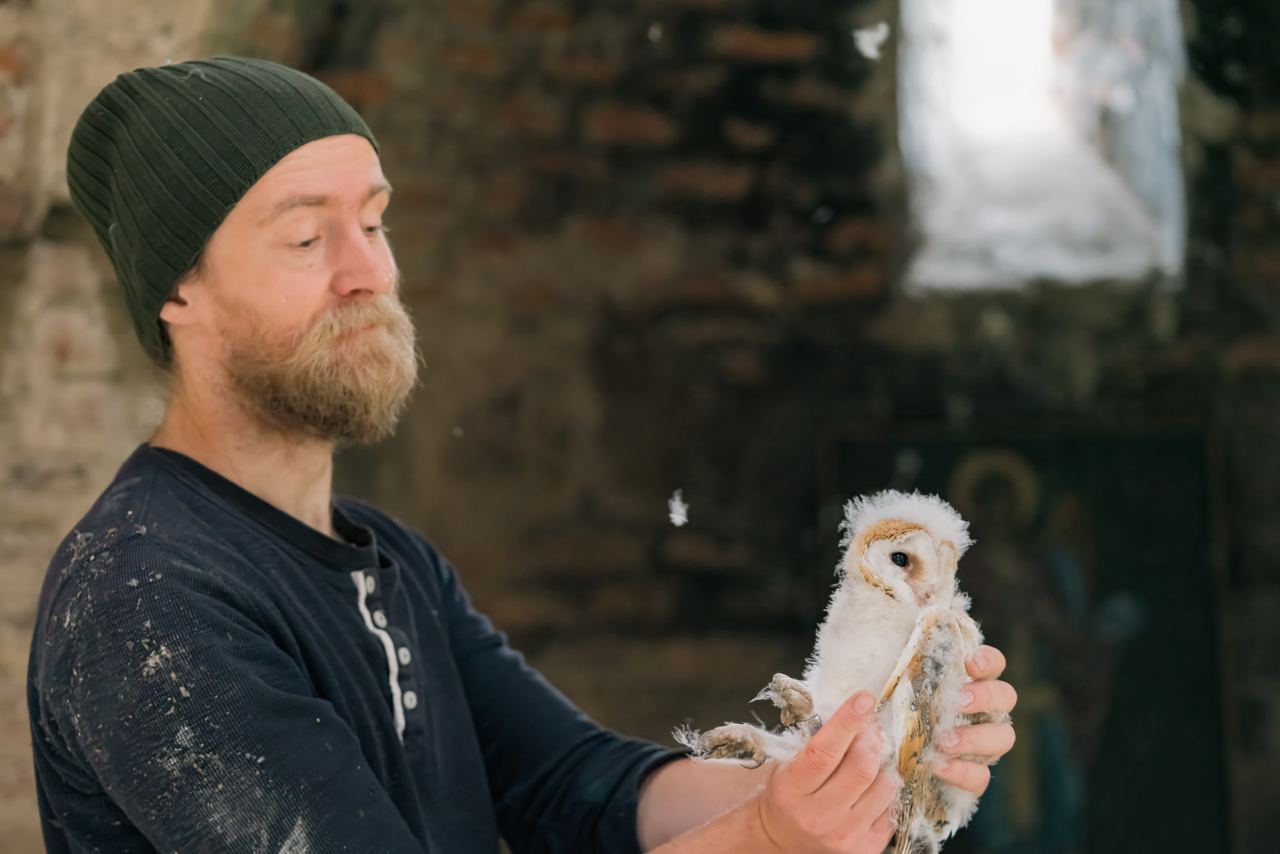 Photo by S. Bystritsky
The diet of Barn Owl (Tyto alba) in Georgia
This study presents the first comprehensive analysis of the Barn Owl's diet in Georgia, examining 6,627 prey items collected from 34 sites across five regions between 2023 and 2025. Findings reveal that mammals dominate the diet, with rodents and shrews being the most common prey. Notably, the study provides updated records for several small mammal species, highlighting the owl's role in controlling rodent populations in agricultural landscapes.
Utilizing barn owl pellet analysis, this research uncovers the presence of the pygmy white-toothed shrew (Suncus etruscus) in eastern Georgia, expanding its known distribution in the region. The study identifies 41 individuals across 12 locations, suggesting that the species is more common in lowland habitats than previously believed. These findings underscore the value of raptor pellet analysis in detecting elusive small mammals and provide a new foundation for understanding the distribution and habitat preferences of this poorly known species in the Caucasus.
Expansion of the Barn Owl (Tyto alba) in Georgia
This paper documents the recent range expansion of the Barn Owl in Georgia, assessing its distribution, breeding habits, and threats. Field surveys from 2023 to 2025 confirm the species' presence mainly in lowland agricultural areas, with nesting occurring in man-made structures. Mortality factors include road collisions, electrocution, predation, and occasional shooting. The study also suggests the presence of several subspecies in Georgia due to natural expansion and possible introductions.
This research investigates the distribution of the harvest mouse (Micromys minutus) in Georgia through the analysis of barn owl pellets. Historically, Micromys minutus has been documented in restricted areas of western Georgia, with a fragmented range extending into northeastern Azerbaijan. Despite being considered nationally vulnerable, its current status and distribution within Georgia remain insufficiently known.
Looking ahead, we plan to expand our research, including studies on breeding biology. The nest boxes we build and install play a key role in this work. This autumn and winter, we will deploy even more boxes, and hopefully, next season will bring plenty of new data for future publications.