

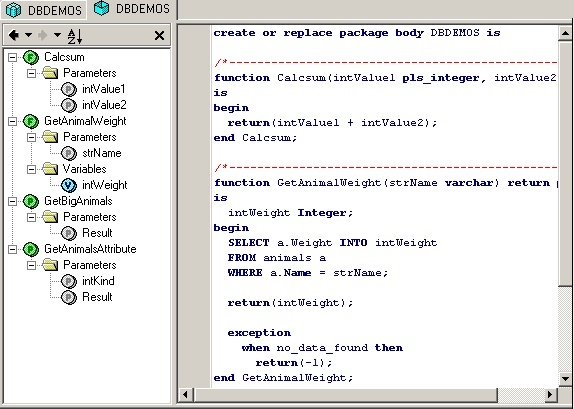
In software development, it is considered a good practice to write small and focused functions, and this applies to Delphi functions as well. Here are some reasons why Delphi functions should be small:
Readability: Small functions are easier to read and understand than long and complex functions. It makes it easier to follow the flow of the code and comprehend the logic, which is especially important when working on large projects with multiple developers.
Reusability: Small functions can be reused in different parts of the codebase. By breaking down larger functions into smaller, reusable components, you can avoid duplicating code and make your application more modular.
Testing: Small functions are easier to test than larger ones. You can write focused tests for each function, which makes it easier to identify and fix any bugs or errors.
Maintenance: Small functions are easier to maintain and modify than larger ones. If a function needs to be modified or updated, it's easier to do so when the function is small and focused.
Performance: Small functions can be faster than larger ones. This is because smaller functions are typically easier for the compiler to optimize, resulting in faster execution times.
Overall, writing small and focused Delphi functions can help improve the readability, reusability, testing, maintenance, and performance of your code. By following this practice, you can create more efficient, reliable, and maintainable applications.