

WitDavid Matthew Olatunji Bey
Published November 11, 2024
In recent weeks, I’ve delved into Buddhist Dharma, focusing on the Five Aggregates (or Skandhas) that shape our experience of self. These Aggregates are integral to understanding the nature of our suffering and how to alleviate it.
The Five Aggregates Explained
Form (Rupa): This encompasses our physical sensations and the external world. Imagine you’re at a vibrant market. Form is everything you see, touch, and interact with—colors, textures, and objects. It’s the physical world that surrounds us.
Feeling (Vedana): The sensory experiences we perceive as pleasure, pain, or neutrality. Think of the taste of a perfectly ripe mango. Feeling is how you experience this taste—whether it’s delightful sweetness, a bit of sourness, or just a neutral sensation.
Perception (Samjna): How we recognize and interpret sensory inputs. Picture walking into a room and immediately recognizing the familiar scent of lavender. Perception is how you identify and interpret this smell—it tells you it’s lavender and not something else.
Mental Formations (Sankhara): The habitual patterns and volitional actions that influence our behavior. These are like the software programs running in the background of your mind. They are the habits, biases, and decisions that shape how you react and interact with the world.
Consciousness (Vijnana): The awareness of sensory experiences and mental states. Imagine it as the spotlight in your mind that illuminates your sensory experiences and thoughts. It’s the awareness that processes and makes sense of everything you’re experiencing.
According to Buddhist teachings, our attachment to these Aggregates leads to a sense of self and, consequently, suffering. By reducing our attachment, we can achieve a clearer separation from our sensory experiences and mental processes.
Insights into Craving and Discomfort
Through simplifying the wisdom of Dharma, I've realized that discomfort arises not just from sensory experiences but from our cravings and expectations. For example, if we expect a pleasurable experience to replicate exactly as it did before, we are setting ourselves up for dissatisfaction. This craving—our desire for things to be a certain way—creates a cycle of discomfort.
When we focus on experiencing each moment as it is, without clinging or craving, we can move past these attachments. This practice applies to various situations, including eating and interacting with others.
Practical Observations
In interacting with others, I’ve noticed that people often project their discomfort and cravings onto those around them, leading to ongoing cycles of dissatisfaction. Instead of offering immediate solutions, my current approach is to encourage individuals to explore their own discomfort and understand its roots. This self-awareness often leads to more meaningful change than external intervention.
The Role of Meditation
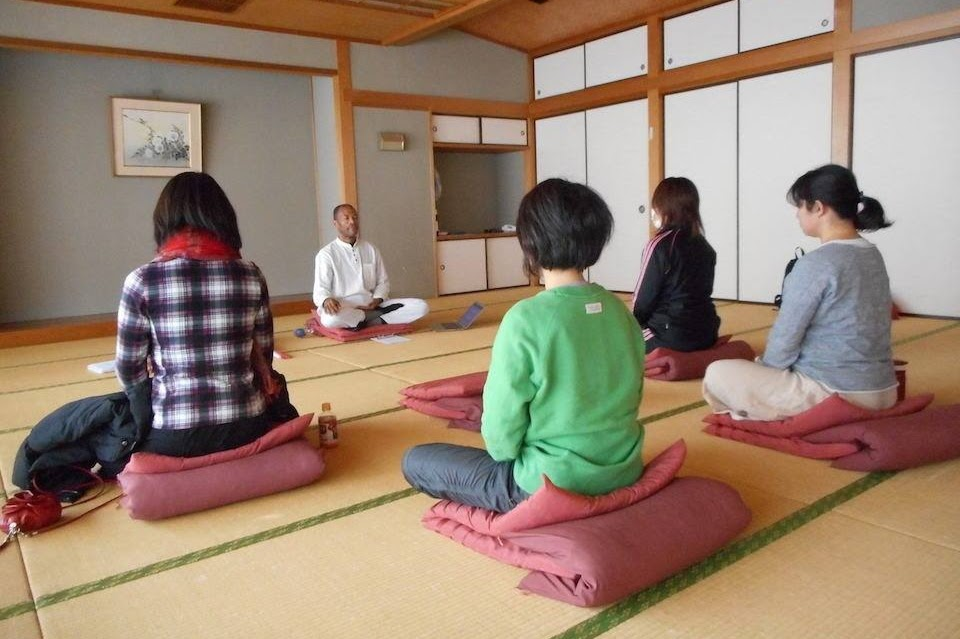
Meditation serves as a tool for increasing self-awareness and managing our internal discomfort. Contrary to some beliefs, meditation is not just a religious practice but a fundamental way to connect with oneself. By sitting in stillness, we observe our thoughts and feelings, which helps us understand their impact on our well-being.
Addressing Common Misconceptions
Some individuals dismiss meditation as ineffective because they approach it with preconceived notions or a lack of genuine intent. If one’s mindset is not open to the practice, it is unlikely to be beneficial. It's crucial to approach meditation with an understanding of its purpose and potential benefits.
The Path Forward
To truly benefit from meditation and self-awareness practices, we must understand their underlying principles and commit to regular practice. As we progress through different levels of awareness, we gain deeper insights into our habitual responses and are empowered to make meaningful changes.
By embracing these practices and focusing on self-awareness, we can break free from repetitive cycles of dissatisfaction and move towards a more enlightened and fulfilling existence.
Contact me for a one to one class to deepen your experience and awareness with meditation.
Cheers!
Have you heard? I’ve just released my first book—Steamed Bread: Inside the Wall of a Chinese Tech Company! It's now available as an eBook PDF, and it’s full of stories that’ll inspire and intrigue you.
Get your copy here: buymeacoffee.com/davidbey/e/298758
Feeling generous? Treat me to a coconut or two to fuel more stories and fresh ideas. Your support is deeply appreciated as I continue to explore, create, and share new experiences. Cheers to the journey!
Copyright © 2024 by David Matthew Olatunji Bey
Photo by David Matthew Olatunji Bey