
Why is dividend investing an attractive strategy?
The main appeal of dividend investing is living off dividends, being tax-efficient, and not touching your principal. By preserving the principal, many investors believe dividend investing provides a greater margin of safety and peace of mind.
Higher Dividend = Higher Risk
You cannot arbitrarily increase yields without taking on additional risks. To pay dividends, companies must have the necessary funds. A very high yield often indicates that a company is distributing most of its earnings to shareholders rather than reinvesting them for growth.
Many high-yield covered call ETFs use terms like “high quality,” “mitigating downside risk,” “attractive monthly distributions,” and “total return.” This might give the impression that these ETFs are extremely safe and that high yields do not entail additional risks. But is this true?
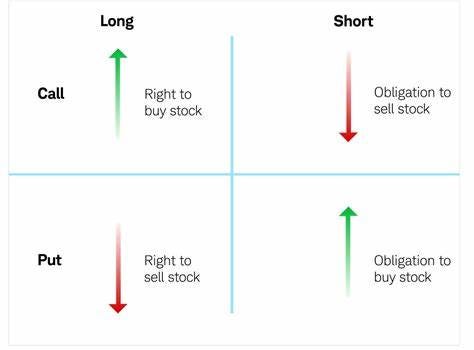
Options 101 – What is a Covered Call?
In options trading, investors can engage in two main activities: buying and selling puts and calls.
Put Options: A put option gives the buyer the right, but not the obligation, to sell a specific amount of an underlying security at a predetermined price (strike price) within a specified timeframe (expiration date). Buyers profit when the security price falls below the strike price before the option expires. Sellers collect a premium upfront and profit if the security price stays flat or rises above the strike price.
Call Options: A call option gives the buyer the right, but not the obligation, to buy a specific amount of an underlying security at a specific price within a specific period. Buyers profit if the security price increases before the option expires. Sellers collect a premium upfront and profit if the security price stays flat or declines.
Options can be “naked” (the investor does not own the underlying security) or “covered” (the investor owns the underlying security).
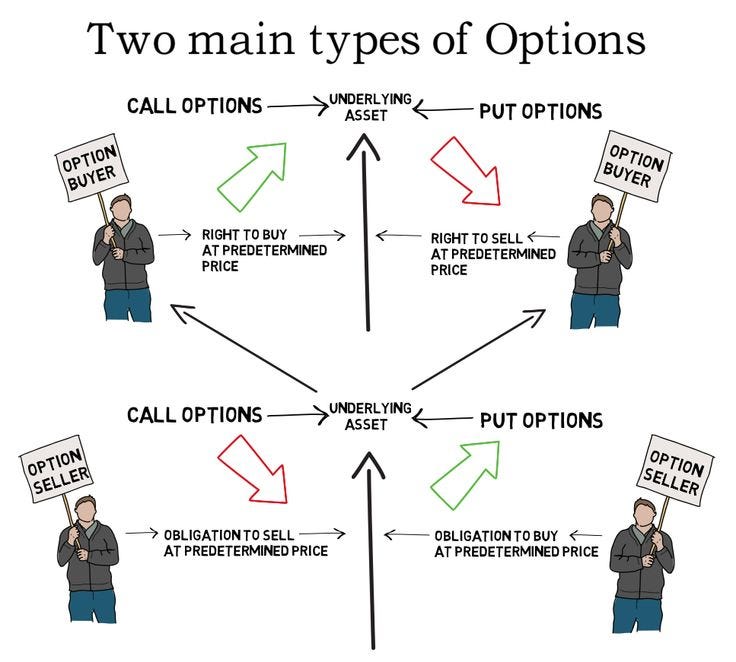
How to Increase Yield Using Covered Calls
When you sell a call option, you receive a premium. If the stock price is below the strike price at expiration, the contract expires worthless, and you keep both the premium and your shares. If the stock price is above the strike price, the buyer exercises the option, and you must sell your shares at the strike price. This is why selling covered calls is generally safer than selling naked calls.
Covered call ETFs increase distribution yields by selling covered calls, collecting premiums, and distributing part of these premiums to shareholders.
Is it a Win-Win?
Covered calls tend to perform better in flat or down markets because the options typically do not get exercised. However, in a hot or volatile market, covered calls often get exercised, leading to potential underperformance for sellers.
Covered call ETFs usually own a selection of stocks and sell covered call options to collect premiums. These premiums, along with stock dividends, are passed down to shareholders, resulting in higher yields. However, this is not always a win-win situation.
Not all covered call options expire worthless. If a stock price jumps due to positive news or earnings, options may get exercised, forcing fund managers to sell shares. This can lead to capital gains or losses and tax consequences. Fund managers must also buy back shares to maintain the ETF’s target exposure, increasing the management expense ratio (MER).
Moreover, while yields might appear attractive, they often come from capital gains (return of capital), which may not benefit from favorable dividend tax credits and could incur capital gains taxes.
Total Return Approach
While dividend income is important, investors should focus on overall portfolio return. The total return approach offers more flexibility, allowing investors to sell a portion of their portfolio to supplement dividend income.
Considering total return, high-yield covered call ETFs may not outperform low-cost passive index funds like VCN and VXC or dividend ETFs like VDY over the long term.
Some covered call ETFs, like Hamilton Enhanced Multi-Sector Covered Call ETF (HDIV), hold a mix of various covered call and income ETFs, making it difficult to understand the specific underlying securities.
Should You Invest in Covered Call ETFs?
It depends. If you are close to retirement or already living off your portfolio, covered call ETFs might effectively increase your investment income without significant withdrawals. However, if you are still in the accumulation phase, individual dividend stocks or index ETFs might be better options.
Experienced investors can consider selling calls or puts to boost income. Many dividend growth investors use covered calls or puts to increase passive income, though it involves more speculation than investing.
A Balanced Perspective
I’m not suggesting you should avoid covered call ETFs altogether. These ETFs exist because there is demand for them, just like preferred shares ETFs, split corp funds, or income trust funds. They should be viewed as tools in your investment toolbox.
However, be cautious about having too high a concentration of covered call ETFs, high-yield low-growth dividend stocks, income trusts, and split corp funds in your portfolio. Remember, higher yield typically means higher risk. Manage your risk accordingly!
Conclusion
Key Insights:
Understand the Risks: Higher yields come with higher risks. Covered call ETFs might seem attractive, but they are not without their downsides.
Total Return Focus: Prioritize overall portfolio return rather than just dividend income. This approach offers more flexibility and potential for growth.
Diversify Wisely: Use covered call ETFs as one of many tools in your investment strategy. Avoid over-concentration in high-yield, low-growth assets to manage risk effectively.
By keeping these insights in mind, you can make more informed decisions about whether covered call ETFs are right for your investment strategy.
The Everyday Investor is a reader-supported publication. To receive new posts and support my work, consider becoming a free or paid subscriber.
😎 SUPPORT THE CONTENT:
► My Real Time Portfolio: https://bit.ly/3otgiDY
► Side Hustle Income / Expense Tracking: https://bit.ly/3KLTjge
► Best Canadian Banks ETF Analyzer: https://t.ly/6O0XQ
► Basic Portfolio & Dividend Tracker Spreadsheet: https://bit.ly/3pqImqz
✅ SPECIAL OFFERS:
► Free 1st Month High Speed Internet by Oxio: https://bit.ly/42piQUJ
► Free Credit Score in under 3 minutes: https://imp.i203032.net/Ry32Kv
► Switch to Freedom Mobile and get $25 Service Credit: https://referme.to/danishg-20
► PolicyMe Free Insurance Quote (No Obligation): https://policyme.pxf.io/P0GMrq
► $20 to try KOHO – a new way to Save and Spend without fees: https://kohofinancial.pxf.io/x96zRk
► Zero Fees on International Money Transfer (Up to $800): https://wise.com/invite/u/danishg13
► $30 Credit from DoorDash: https://drd.sh/xmSwdKmqIflfzCwc
► Earn Cash Back on Online Shopping: https://bit.ly/3aLmGQy
► Earn Money by Completing Short Surveys on your phone: https://bit.ly/3zPimwm