

In today's hyper-connected world, phishing remains one of the most pervasive and damaging cyber threats. Despite advancements in cybersecurity tools, human error continues to be a significant vulnerability exploited by cybercriminals. Understanding phishing and promoting awareness can greatly reduce the likelihood of falling victim to such attacks.
What is Phishing?
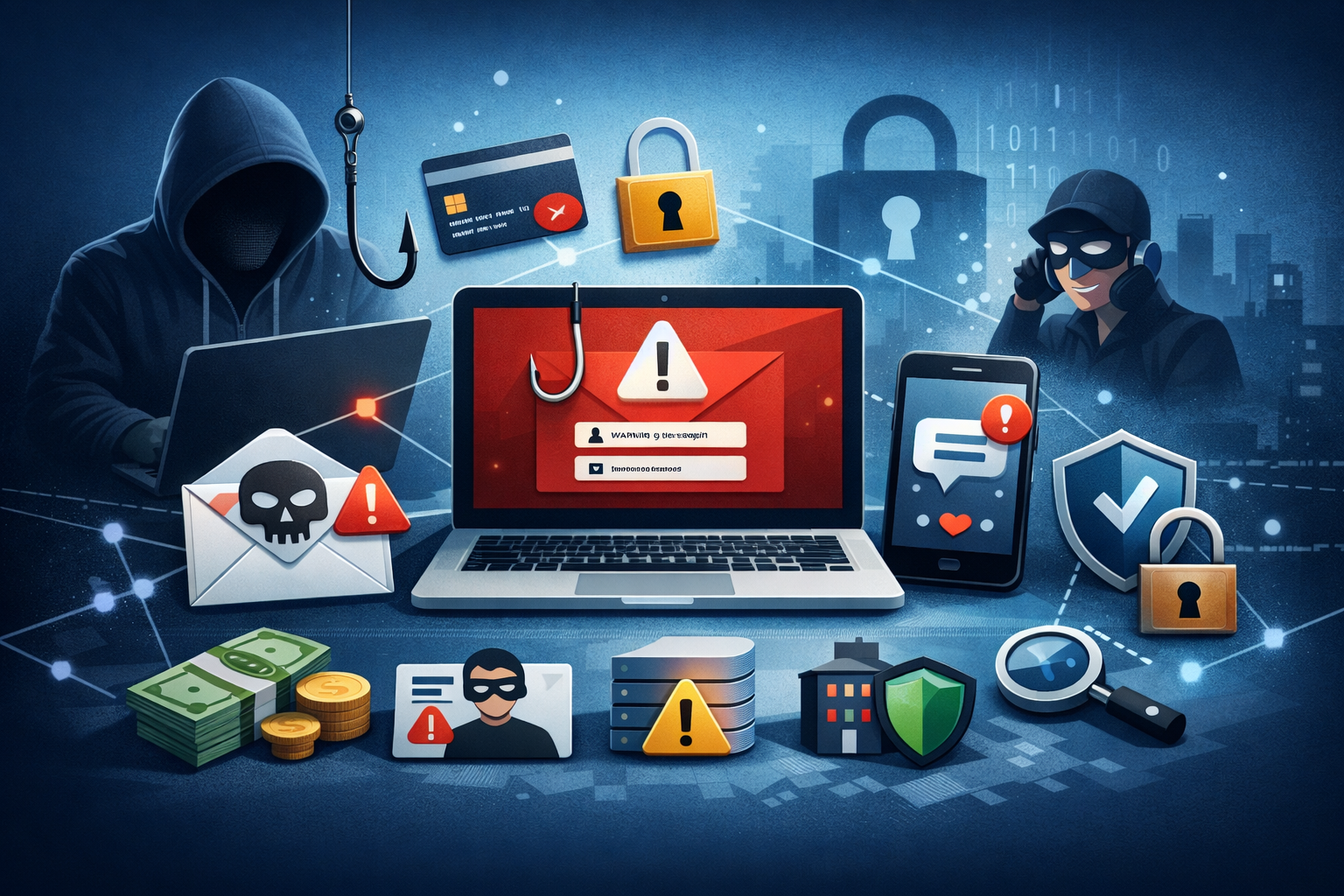
Phishing is a cyberattack method where criminals impersonate trusted entities to trick individuals into revealing sensitive information, such as passwords, credit card numbers, or other personal data. These attacks are typically delivered through email, but can also occur via SMS (smishing), phone calls (vishing), or even social media messages.
Phishing emails often contain alarming messages or urgent requests to create a sense of panic, prompting victims to act without thinking. For example:
"Your account has been compromised. Click here to secure it."
"You’ve won a prize! Provide your details to claim it."
"Your payment was declined. Update your information now."
Why is Phishing Dangerous?
Phishing attacks can lead to severe consequences, including:
Financial loss: Cybercriminals can drain bank accounts or make unauthorized purchases.
Data breaches: Compromised credentials can give attackers access to personal or corporate systems.
Reputation damage: Organizations suffering phishing-related breaches can face public scrutiny and loss of trust.
Identity theft: Stolen information can be used to impersonate victims, causing long-term damage.
Recognizing Phishing Attempts
To protect against phishing, individuals must learn to identify warning signs. Some common indicators include:
Generic greetings: Messages starting with “Dear customer” instead of using your name.
Urgent language: Phrases like “Act now” or “Immediate action required.”
Suspicious links: URLs that don’t match the claimed sender’s domain.
Unexpected attachments: Files from unknown senders or with unusual formats (e.g., .exe or .zip).
Poor grammar or design: Emails riddled with typos or amateurish layouts.
Steps to Build Cybersecurity Awareness
Educate yourself and others: Regular training sessions for employees and family members can teach the importance of cautious behavior online.
Verify before clicking: Always hover over links to inspect URLs, and double-check with the sender if a request seems odd.
Use robust email filters: Advanced spam filters can detect and block many phishing emails.
Enable multi-factor authentication (MFA): MFA adds an extra layer of security even if credentials are compromised.
Report phishing attempts: Many organizations, like Google or Microsoft, have built-in tools to report phishing emails.
The Role of Organizations
Organizations must take proactive measures to combat phishing. Implementing a strong cybersecurity policy, conducting phishing simulations, and providing clear guidelines for reporting suspicious activity are essential steps. Additionally, businesses should foster a culture where employees feel safe reporting mistakes without fear of retribution.
Conclusion
Phishing attacks thrive on human vulnerability, but awareness is the key to minimizing risk. By recognizing phishing tactics and implementing preventive measures, individuals and organizations can protect themselves from falling prey to cybercriminals. In cybersecurity, a vigilant mindset can be your strongest defense.