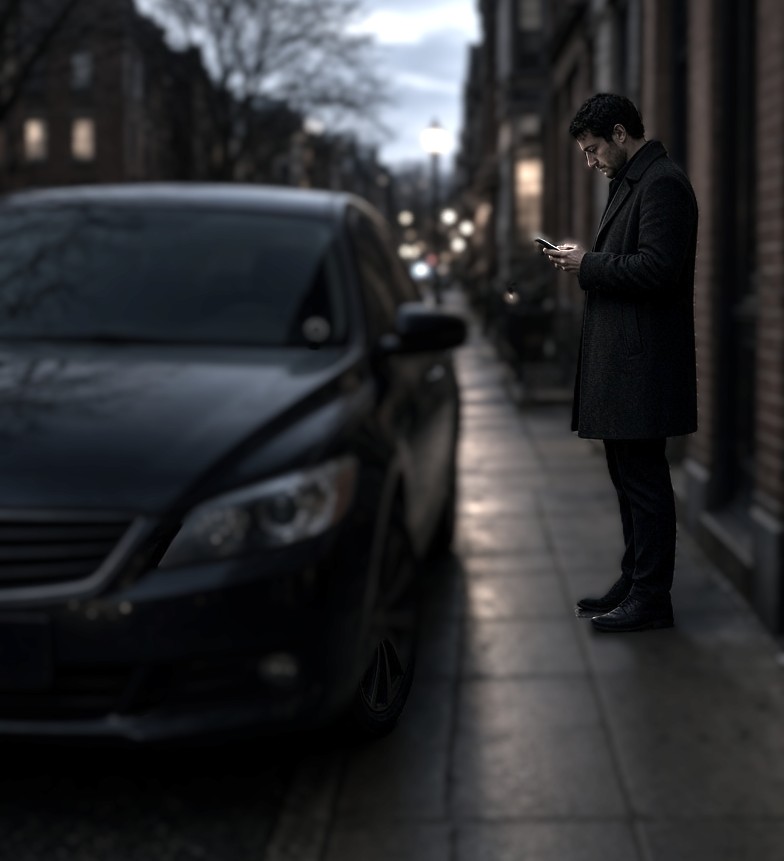

The Duty of Care Contradiction: “Take Back Control” While Your Car Is Still Spying
NEWS/OPINION | By COURAGE IS THE CURE | 23 September 2026
A widely shared clip widely shared clip this week shows Prime Minister Anthony Albanese responding to concerns raised by the US Embassy about Australia’s Online Safety Amendment (Digital Duty of Care) Bill 2026. The Embassy’s submission warns that the bill’s “foreseeable harm” test and algorithmic mandates could lead to censorship, over‑moderation, and spillover effects on international companies and speech.
Albanese’s answer was simple: the bill will give Australians “control over their devices and the content on them.”
It’s a reassuring line — but it doesn’t match the reality Australians are already living with.
Because right now:
Connected cars can be remotely accessed. (As first raised in the “Weapons on Wheels” warning.
Chinese‑made EVs have been confirmed capable of sending data offshore. (Cyber warning reported here: https://www.news.com.au/technology/motoring/catastrophic-excyber-chiefs-brutal-warning-as-aussies-flock-to-chinesemade-vehicles/news-story/4182b57e6c2bdd51917530fa0b487c66)
Domestic violence victims have already been tracked through their vehicles.
Australia has no clear rules for who owns or governs vehicle‑generated data.
In other words, the most powerful devices Australians own — their cars — already operate outside any meaningful framework of user control.
Yet the government is telling Australians they need a Duty of Care bill to “take back control” of their digital lives.
The contradiction is unavoidable
If a car can be used to monitor a partner, it can be used to monitor a citizen. If a foreign government can compel access to vehicle data, then “control over your device” is not something a bill can magically restore. If Australia cannot regulate the data flows of machines on its roads, it cannot credibly claim it is empowering people to control their phones, apps or online content.
The Duty of Care debate is being framed as an online safety issue — algorithms, platforms, moderation. But it sits directly on top of a deeper, unresolved problem highlighted in our earlier report Weapons On Wheels Was Just the Beginning: Australia is surrounded by devices that collect, transmit and store data we do not control.
So, the real question is not about content. It’s about control.
Who actually controls the machines Australians rely on every day? And who controls the data those machines produce?
Until Australia confronts the full picture — domestic safety, national security, foreign data access, and the surveillance capabilities built into consumer vehicles — the promise of “taking back control” will remain political theatre.
The warnings were never separate. The risks were never hypothetical. The blind spot is still wide open.