
For years, whenever something went wrong, I had the same response:
I got this.
When the workload became unbearable.
When people I loved got sick or were struggling.
When business after business permanently shuttered their doors.
When I ended up in the ER.
Sometimes I was scared. Sometimes I had absolutely no idea what I was doing. But eventually I figured something out.
I always did.
It’s what I do when there’s a crisis. I problem-solve. My brain starts running through scenarios, figuring out what could happen and what I need to do next.
Then I broke my leg in a country where I barely knew anyone and couldn’t speak the language.
Suddenly I couldn’t troubleshoot something as basic as how to get myself to a hospital. I couldn’t walk. I wasn’t working. Money was tight. Did I have insurance coverage? And my brain, doing what it does when I’m frightened, started calculating every possible outcome.
Most of them were terrible.
There was a moment when I was genuinely terrified.
And still, eventually:
I got this.
Because what other choice did I have?
But something was different this time.
I asked for help.
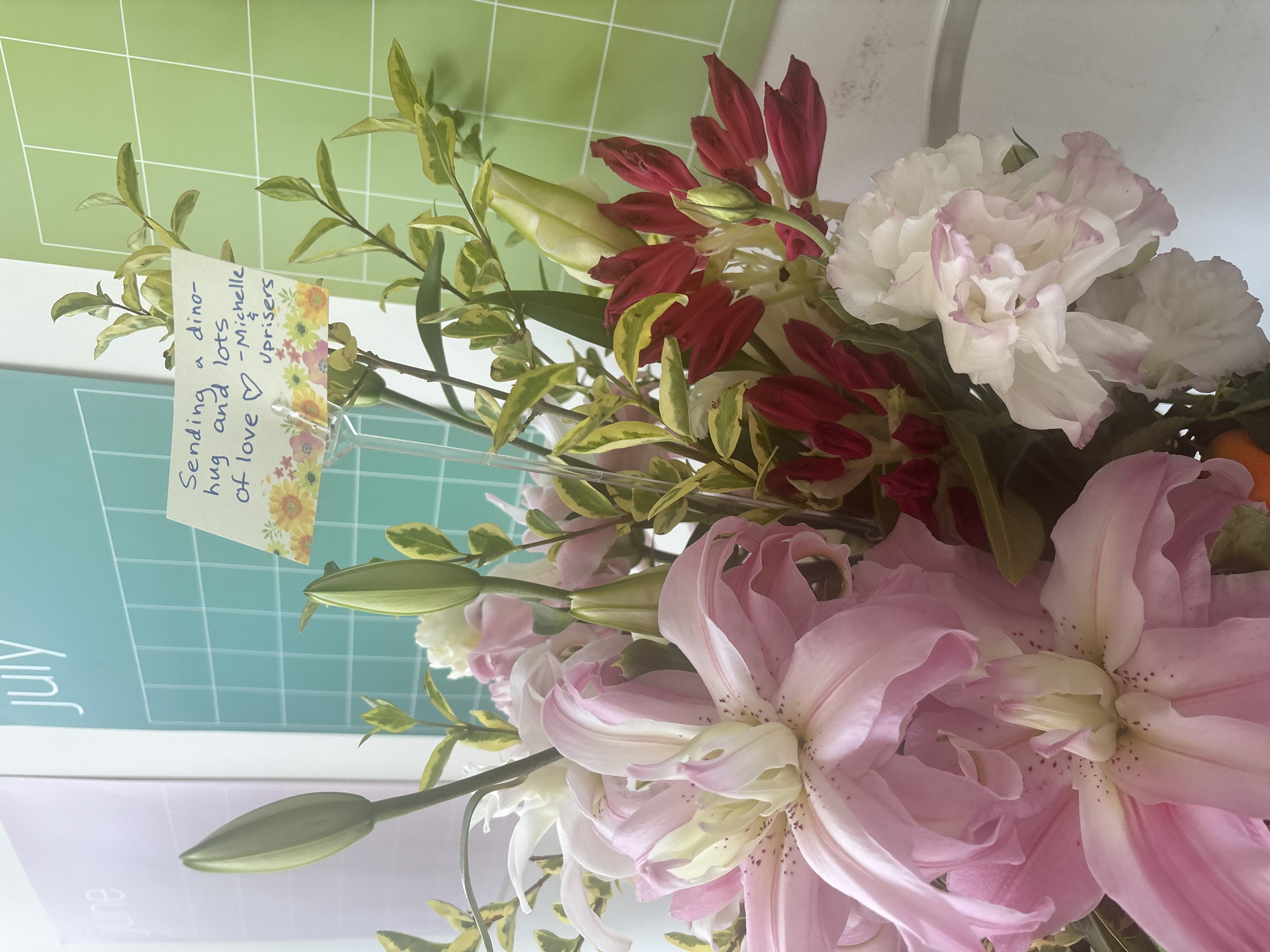
People sent extraordinarily kind messages. People offered things. People made promises.
And every time someone said, I’ll do that, I felt something I hadn’t realized I was carrying.
The weight of ‘I got this’ got a little lighter.
For a moment, I could stop solving that particular problem. Someone else had it.
And when they didn’t follow through, the weight didn’t simply return.
It crashed back down.
That surprised me.
Eventually I understood why:
A reliable no leaves me with a problem to solve.
An unreliable yes lets me put the problem down—and then drops it back on me when I’m least prepared to catch it.
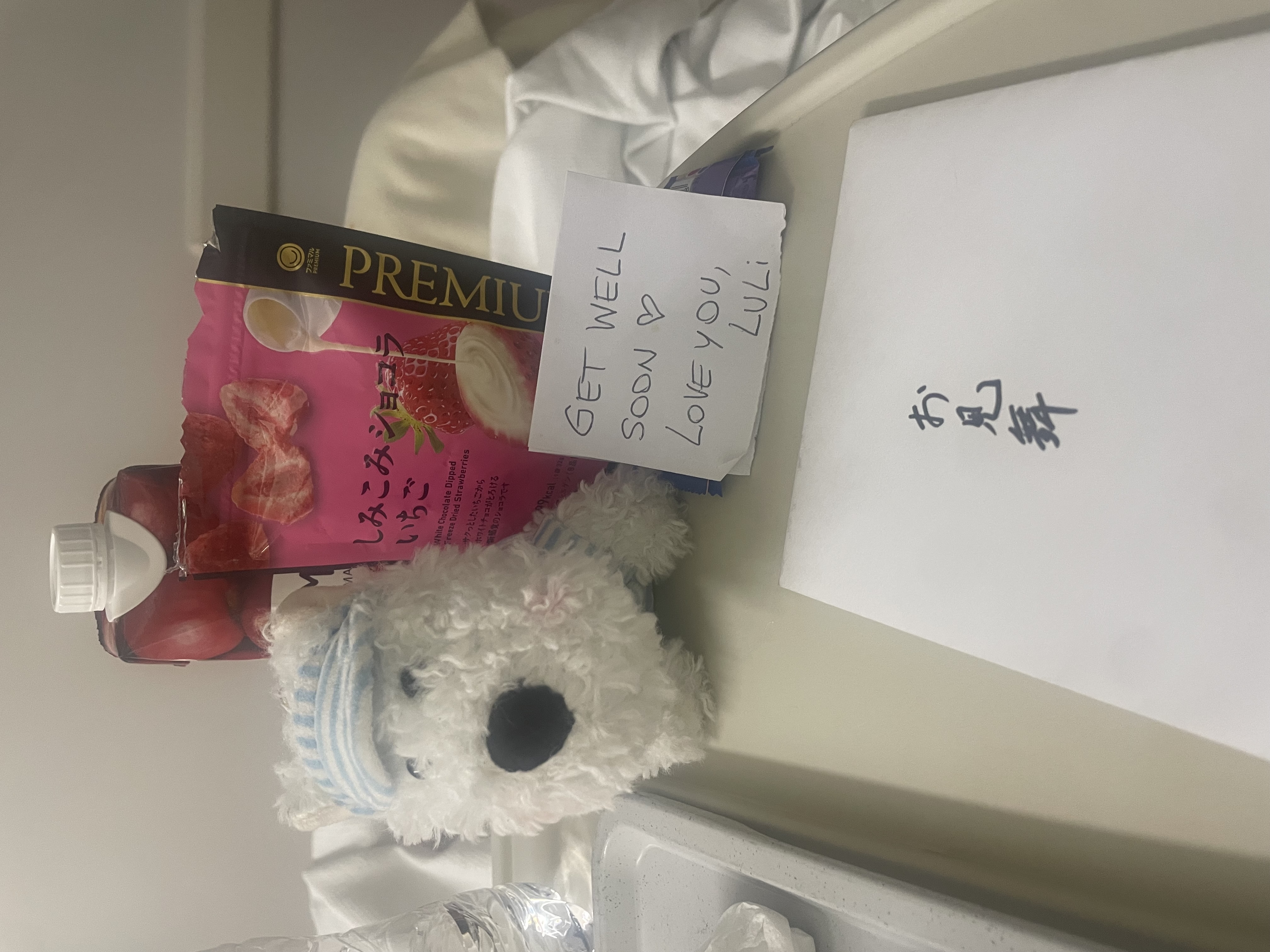
I have spent so much of my life being independent that I thought I needed to become better at asking for help.
But asking wasn’t the hardest part.
The hardest part was believing someone when they said yes.
And then, in the middle of all of this, a stranger showed me what the other version felt like.
The owner of the gym where I was injured wasn’t there when the accident happened. But he came to the hospital immediately. He brought someone who could translate for me. While I was hospitalized, and even after I left, he kept checking on me and trying to organize whatever resources he could while I was still in Argentina.
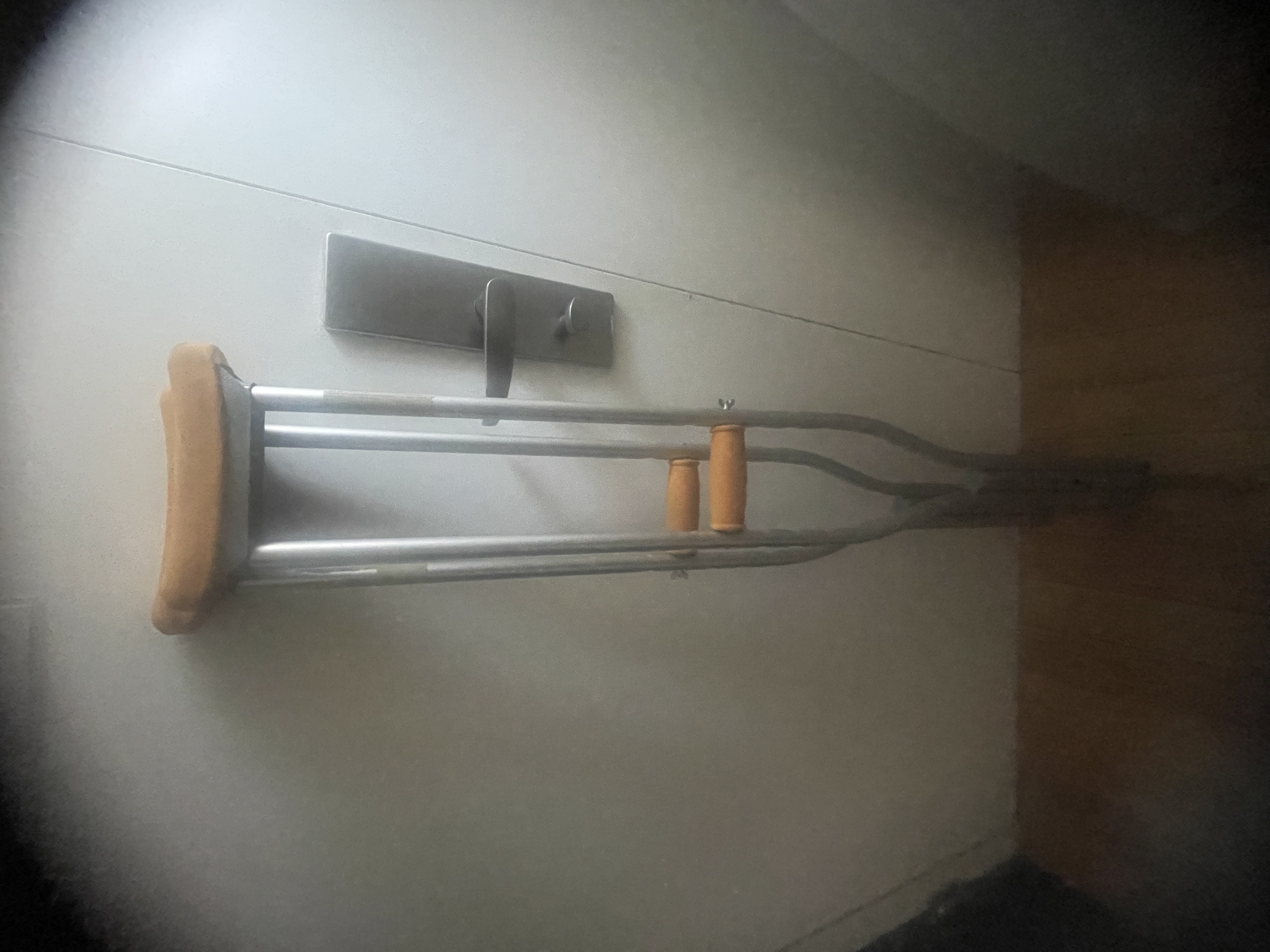
At one point he sent me a message in English, even though he doesn’t really speak English.
It was remarkably direct:
If you need something, I want you to reach out to me. And if I find out you needed something and didn’t reach out to me, I’m going to be very angry.
I laughed.
It sounded like I was being threatened with punishment for not asking for help.
But it was also one of the most comforting things anyone said to me.
Not because the words themselves were particularly magical.
Because I believed him.
By then, he had already shown me what his words meant.
He had come to the hospital.
He had found me a translator.
He had checked on me.
He had organized crutches, compression socks and a physical therapist for me.
So when he said reach out to me, I didn’t have to calculate whether he really meant it.
For once, asking someone for help didn’t feel like placing another bet.
And I think that’s when I began to understand something about myself.
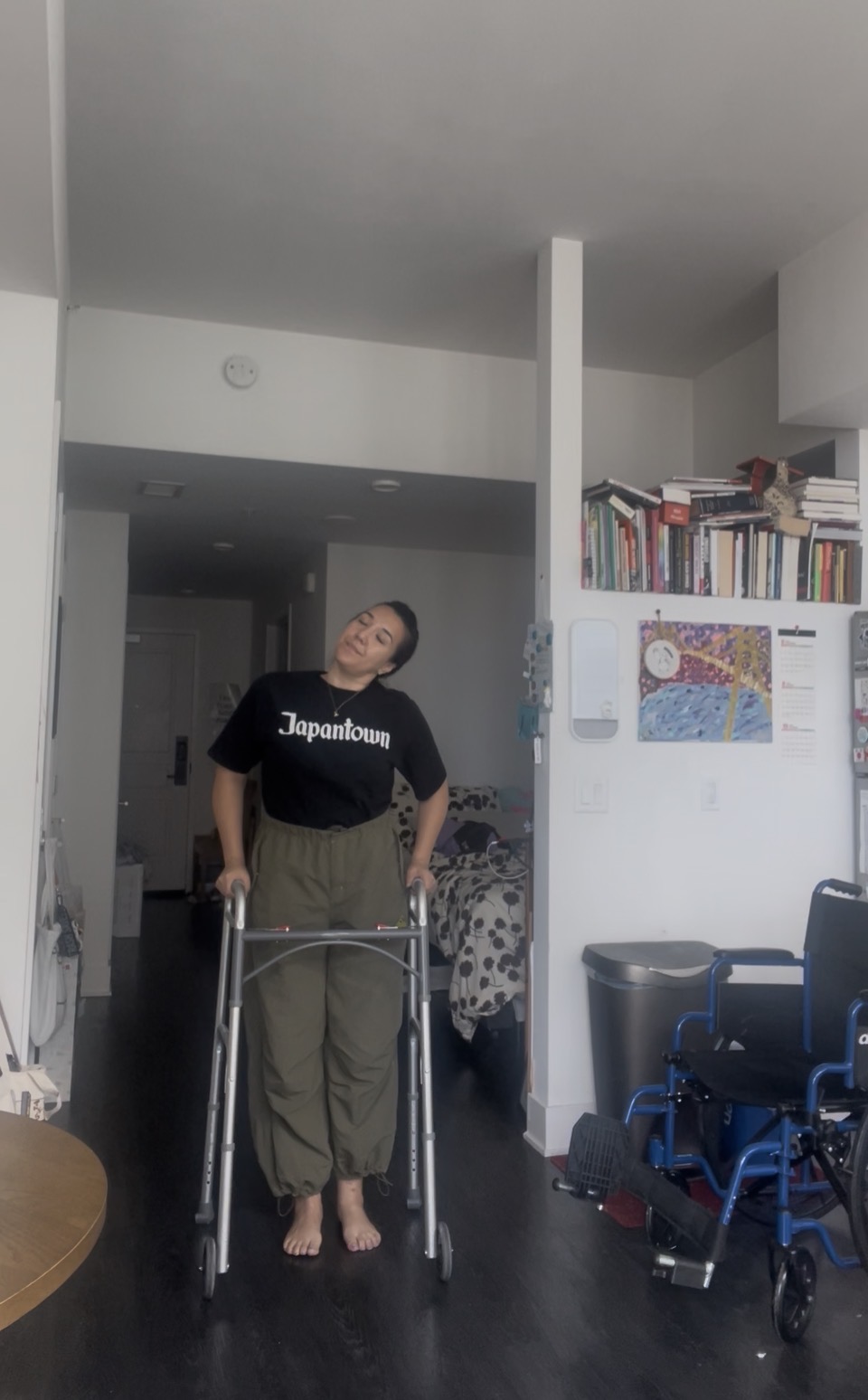
I already knew I would save myself.
I didn’t need another person telling me:
You’re strong.
You’re going to be okay.
You’ll figure this out.
I knew.
I have a lifetime of evidence.
What I needed was someone who could look at everything I was carrying and say:
Give me that one.
And then actually take it.
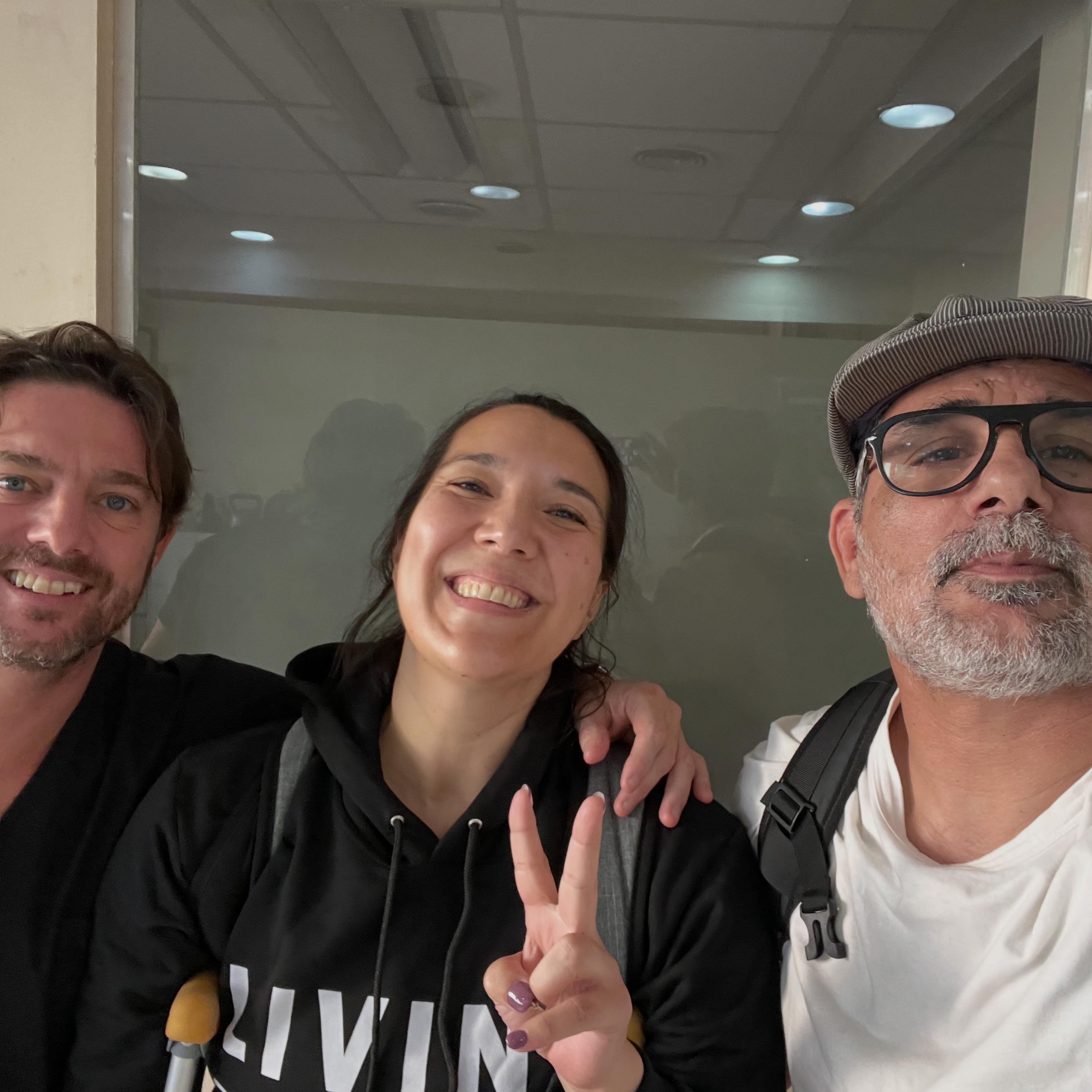
This year taught me there is a difference between kindness and dependability.
There is a difference between someone caring about you and being someone you can count on.
There is a difference between “I’m here if you need anything” and actually being there.
And, strangely, I’ve learned that a truthful no can sometimes feel more loving than an unreliable yes.
A no leaves me knowing what I have to carry.
A yes allows me to put something down.
Maybe that’s why this year hurt differently.
I wasn’t learning whether I could survive something difficult.
I already knew Mariko would save Mariko.
But I’ve spent most of my life asking myself:
Can I handle this?
And because the answer has so often been yes, I rarely stopped to ask a different question:
Is this actually mine to handle?
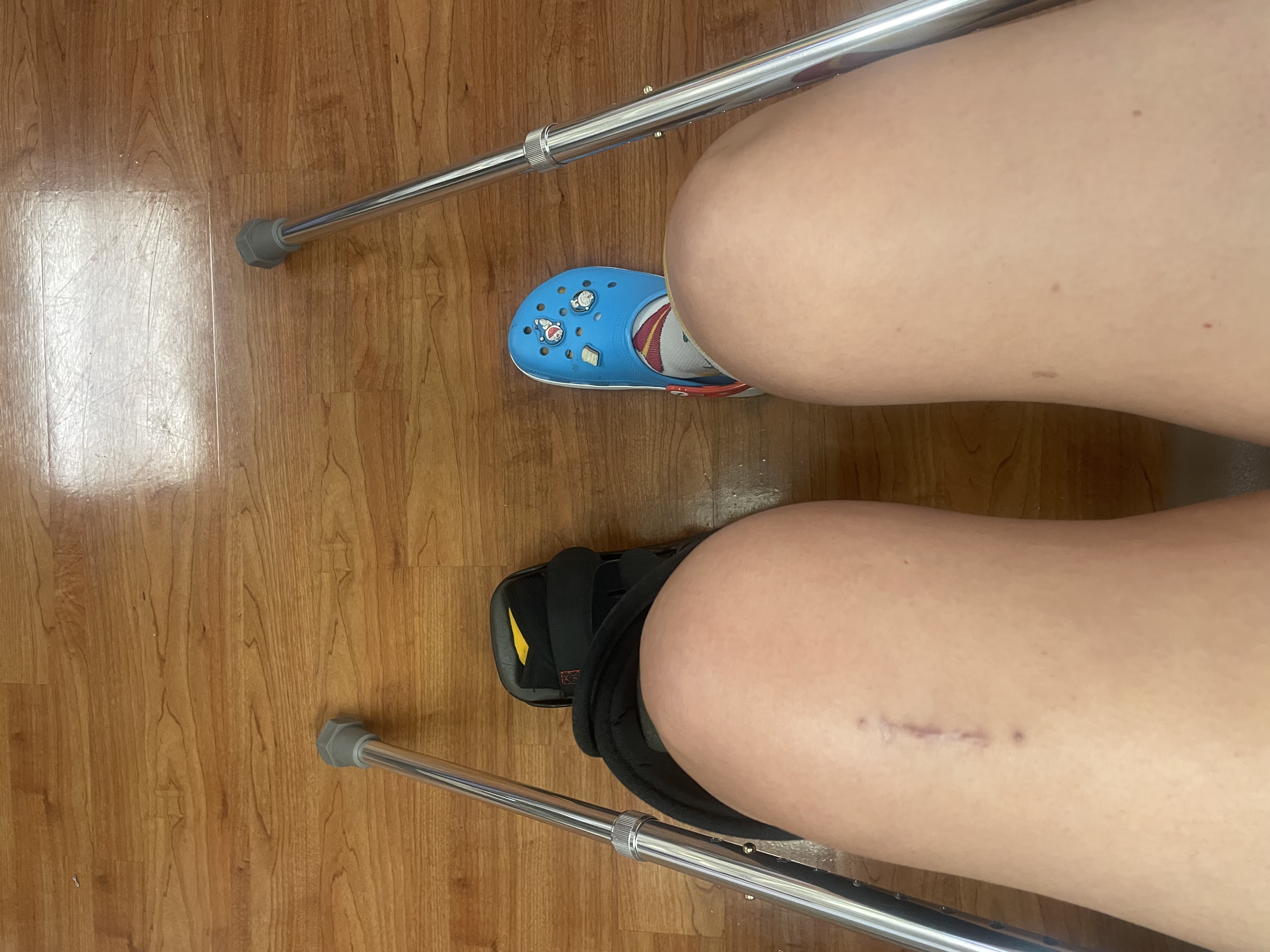
Maybe that’s the work now.
Not proving that I can carry more.
Not becoming so independent that nobody can disappoint me.
Not becoming better at rescuing people around me.
But learning to weigh the scope of my responsibility.
What belongs to me?
What can I offer without carrying?
What can I put down?
And when someone I trust says, Give me that one—
can I let them?
And maybe there’s one more thing I’m learning.
Sometimes there is nothing for someone else to carry.
Sometimes people don’t know what to do.
But you don’t have to solve my problems to show me that I’m not alone in it.
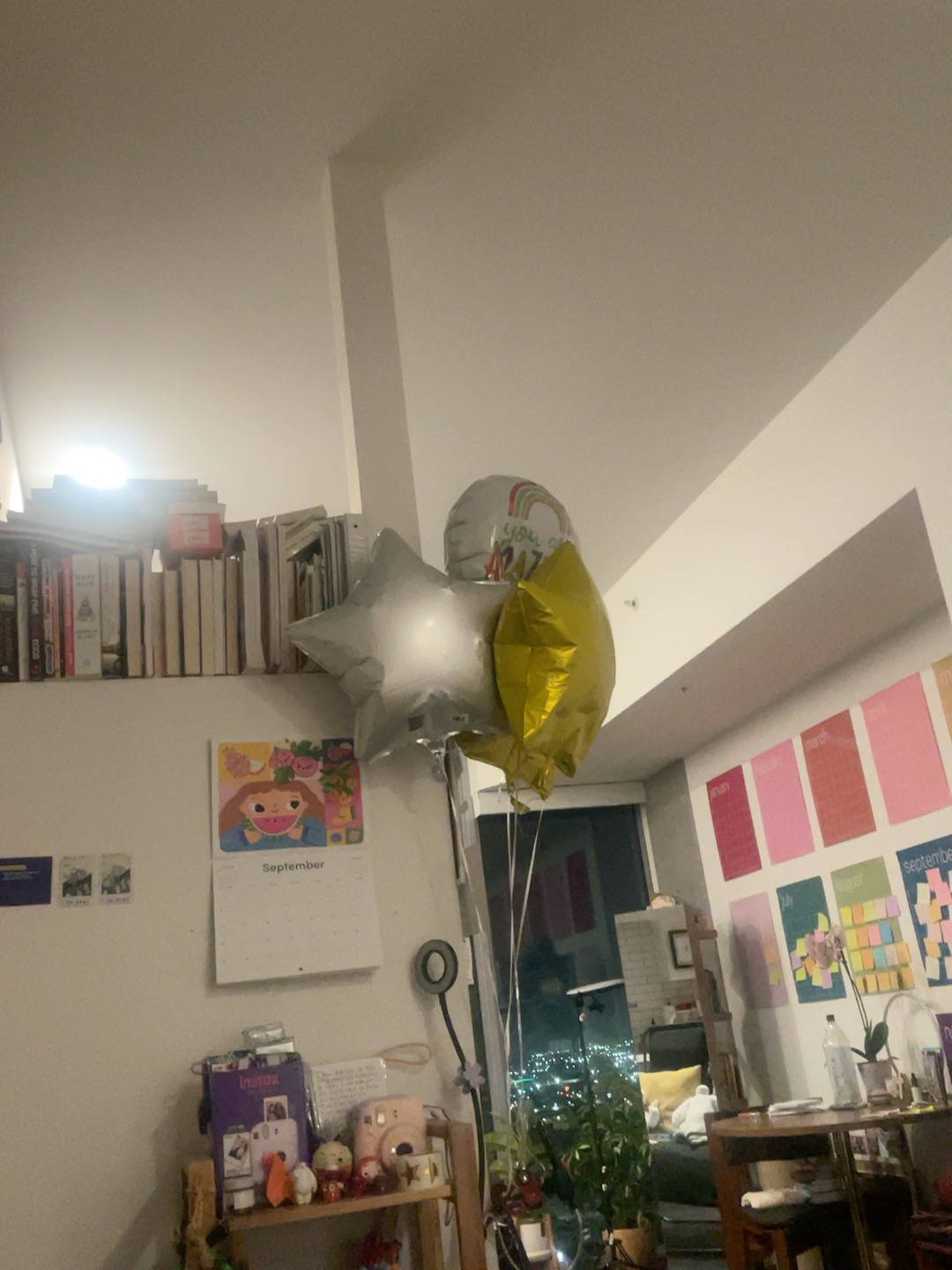
During my recovery, I started buying myself balloons.
Balloons are completely useless.
They cannot get me to a doctor’s appointment. They cannot translate Spanish. They cannot pay a bill or heal a broken bone.
They just make me happy.
And I’ve stopped feeling guilty about that.
Because maybe care doesn’t always have to be useful.
Sometimes I need someone to say, Give me that one.
And sometimes I just need someone to think of me.
Send balloons. 🎈