

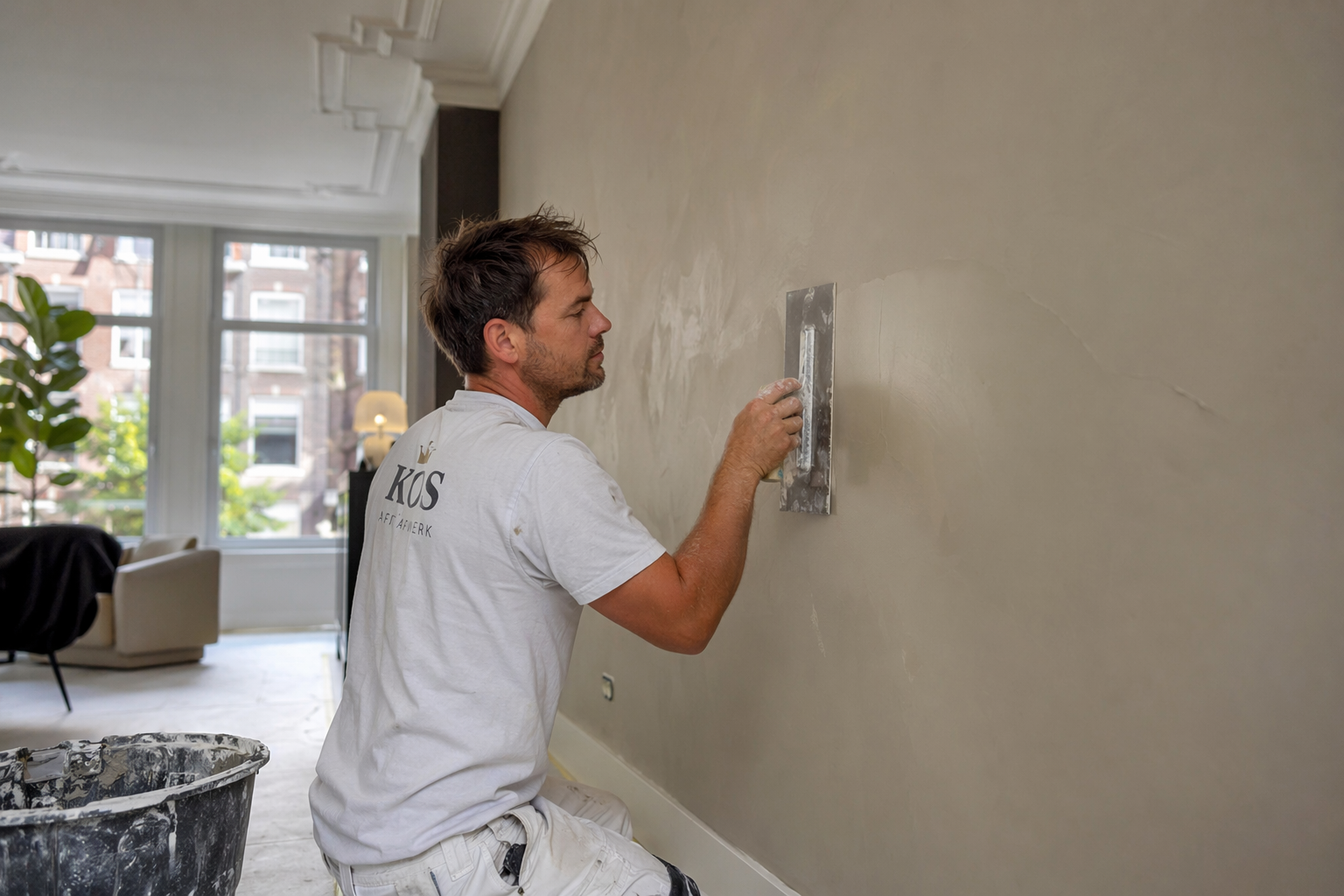
Key Highlights
Typical plasterer cost in the Netherlands is often €15–€35 per m2 for standard plastering work. A skilled plasterer usually charges labour rates of about €45–€65 per hour or a day rate for larger jobs. Plastering costs can change year over year due to shifts in labour rates, material prices, and overall demand, so it's advisable to check for current rates before starting a project.
A skilled plasterer usually charges labour rates of about €45–€65 per hour or a day rate for larger jobs.
Wall condition, room size, access and finish quality all affect your plastering project price.
A single room often costs around €300–€800, depending on size and surface preparation.
Detailed quotes help you compare scope, materials, VAT and any repair work properly.
Ceilings, skimming and patch repairs often cost more than straightforward wall work.
Introduction
Plasterer costs usually depend on surface size, wall condition, finish level and whether you need skimming, repairs or full plastering work. In most cases, plastering prices are based on m2, an hourly rate, a day rate or a full project price, so you need to compare the written scope carefully. This comprehensive guide explains typical costs for a plastering project in Amsterdam and across the Netherlands, helping you understand likely totals before you request quotes through SkilledContractors.
Average Plasterer Costs in Amsterdam for 2026
In 2026, the average plasterer cost in Amsterdam is usually in line with wider Dutch guide prices. Standard plastering often ranges from €15 to €35 per m2, while a skilled plasterer may charge labour rates of €45 to €65 per hour. Small jobs can also carry a minimum fee of about €300 to €350.
For larger work, the total cost often falls as the surface area increases. Amsterdam quotes can still vary by access, property condition and finish type. That is why it helps to compare local plasterers, review detailed quotes and check whether materials and VAT are included before you choose a professional.
Typical Plasterer Hourly Rate, Day Rate, and Cost per Square Meter
Most plasterers prefer to price straightforward work by the square metre because it is clearer for both sides. For standard interior plastering cost, a typical plastering cost per square meter is around €15 to €35 per m2. Smooth plaster is often €15 to €25 per square metre, while paint-ready finishes can start lower.
Still, some jobs are priced by labour rates instead. A typical plasterer hourly rate is about €45 to €65. This is common for small repairs, touch-ups or specialist work where measuring a fixed area is less useful. If you are asking how much does a plasterer cost for a short visit, hourly billing is often the answer.
A plasterer day rate is not always listed openly, but it is often used for bigger jobs or multi-room work. As a guide, an experienced plasterer can complete roughly 20 to 40 m2 per day, depending on wall condition and complexity.
Example Pricing Table: Room, Wall, Ceiling and Skimming Costs
The table below gives typical guide prices, not fixed offers. It shows how much plastering costs for common jobs in Amsterdam and the Netherlands. Your final quote can change with room size, access, preparation and the type of finish you choose.
Item
Typical price
Plasterer hourly rate
€45–€65 per hour
Plasterer day rate
Varies by output; often based on 20–40 m2 per day
Plastering cost per m2
€15–€35 per m2
Skimming cost per m2
Usually within smooth plaster pricing, often €15–€25 per m2
Skim coat cost per m2
Often similar to skimming at €15–€25 per m2
Plaster repair cost
Often hourly or minimum fee basis; small jobs from €300–€350 minimum
Cost of plastering a wall
€15–€25 per m2
Cost of plastering a ceiling
€18–€30 per m2
Cost of plastering a room
Bedroom €300–€500, living room €400–€800
In simple terms, wall plastering cost is usually lower than ceiling plastering cost because overhead work is slower. The cost of plastering a room depends on the number of walls, ceiling area and the condition of the existing plaster.
How Do Plasterers Charge? Hourly Rate vs Day Rate vs Per m2
Plasterers usually charge in three ways: by the hour, by the day or by m2. For regular walls and ceilings, per m2 pricing is most common because it makes the plasterer cost easier to compare. It also suits larger, flat surfaces with a clear finish coat requirement.
By contrast, hourly or day-based labour rates are more common when the type of work is less predictable. That includes repair jobs, awkward spaces and specialist finishes. The next sections explain when each pricing method tends to make the most sense for your project cost.
When to Expect Plasterer Hourly Rates or Day Rates
You are most likely to see a plasterer hourly rate when the job is small or hard to measure. Think patch repair, filling holes, dealing with cracks or fixing damaged areas after the removal of old plaster. In those cases, the complexity of the job matters more than the exact m2.
A plasterer day rate is often better suited to a larger plastering work schedule. If several rooms need a first coat, second coat or finish coat, day pricing can be easier to manage. It may also help when the total area is clear but preparation time is uncertain.
For you, the key is to check the written scope. Ask what is included, whether materials are bundled in, and whether there is a minimum charge. Small jobs under 30 m2 often cost more per m2 because setup, dust sheets and cleaning take time too.
Understanding Plastering Cost per m2 and Price Differences
Per m2 pricing works best when the surface is easy to measure and the finish is standard. Large, flat walls with a clean surface are easier to cost this way. That is why plastering price per m2 is common for full rooms, living areas and straightforward renovation work.
Price differences appear once the substrate becomes less predictable. Uneven surfaces, difficult access, high ceilings and existing plaster in poor condition can all increase the final cost. Amsterdam prices may also differ from other areas because access, parking and local demand can affect labour time.
Common reasons your plastering project cost per square metre may rise include:
more preparation, such as priming or removal of old plaster
higher finish quality, such as a smooth finish
specialist materials or decorative plaster instead of standard skim coat
Plastering Prices by Job Type: Walls, Ceilings, and Rooms
Not every plastering job is priced the same way. Wall condition, ceiling height, room size and the finish you want all shape the quote. A small room with sound existing plaster is often easier and cheaper than a large room with cracks, old plaster or awkward corners.
Materials and finish type matter too, whether the plasterer uses a standard skim coat or a different system from brands such as British Gypsum. The next sections break down the cost of plastering a room, a wall and a ceiling so you can compare quotes with more confidence.
Cost of Plastering a Room: What Affects the Total Price?
If you want to know the cost of plastering a room, a typical bedroom often ranges from €300 to €500, while a living room may cost €400 to €800. Kitchens and bathrooms can cost more because fittings, moisture resistance and awkward layouts add labour. This is the average plasterer cost many homeowners start with.
Your total cost depends on more than room size alone. A small room with many corners can take longer than a larger open space. Wall condition also matters. Cracks, blown plaster, uneven surfaces and old finishes can all push the quote higher.
Plasterers often look closely at:
the room size and number of walls
ease of access and ceiling height
the required finish quality and preparation work
Wall vs Ceiling Plastering Prices: What’s the Difference?
The cost of plastering a wall is usually lower than the cost of plastering a ceiling. Wall plastering cost often falls around €15 to €25 per m2. Ceiling plastering cost is commonly €18 to €30 per m2. That gap may look small, but it adds up across an entire room.
Why does this happen? Ceiling plastering means working overhead for longer periods, which is slower and more demanding. The plasterer often needs better access equipment, more careful control of wet plaster and extra time to achieve a flat finish coat without marks.
High ceilings can increase the overall cost further. So can poor ceiling condition, awkward lighting points and difficult access. If your quote covers both wall and ceiling surfaces, check each area separately. That makes plastering prices easier to compare across contractors.
Common Plaster Repair Costs: Cracks, Patches, and Damaged Areas
Plaster repair cost can vary more than standard plastering price per m2. Small cracks, holes and damaged corners may only take an hour or two, but larger damaged areas often need more than a simple patch repair. If the existing plaster has failed, the plasterer may need to remove loose sections first.
Damp damage and blown plaster often increase the quote because the repair goes deeper than the surface. The removal of old plaster, drying concerns and reapplication all add labour time. That is one reason repair work is often billed hourly rather than by wall area alone.
To reduce hidden costs, ask whether the quote covers access, materials, priming and waste. Two detailed quotes can look similar at first, yet differ once preparation and clean-up are included. A written scope helps you compare properly before you book.
Conclusion
In conclusion, understanding plasterer costs is essential for making informed decisions when planning your project. From the average hourly rates and day rates to the cost per square meter, having a clear grasp of these figures can significantly impact your budget. Remember that prices can vary based on several factors, including the condition of walls, the scale of the job, and any additional specialised work such as skimming or repairs. By taking the time to gather quotes and compare plasterers, you can ensure you find a professional who fits your needs and budget. If you're ready to start your plastering project, don't hesitate to request quotes from our skilled plasterers today!
Frequently Asked Questions
What is a fair price for a plasterer in Amsterdam?
A fair average cost in Amsterdam is usually about €15–€35 per m2 for standard plastering work, or €45–€65 per hour for smaller jobs. Labour rates vary with finish, access and condition, so compare detailed quotes from more than one skilled plasterer before deciding.
Are there extra fees or hidden costs when hiring a plasterer?
Yes, there can be hidden costs if the quote is unclear. The overall cost may rise with priming, materials, parking, minimum fees, waste removal or the removal of old plaster. Ask for detailed quotes with a written scope so your plastering project is easier to compare.
How do factors like property type and condition affect plasterer costs?
Property type affects access, ceiling height and working time. Wall condition, poor surfaces and repair needs can also increase labour. Finish quality matters too, especially if you want a very smooth result. In some cases, added requirements such as sound insulation may also affect the final quote.