

Listen to the audio of this article here: Rio's Forbidden Dance (Audio)
In the heart of Davis, a small village tucked away in Cameroon, there lived a boy named Rio. He was a wiry lad with an infectious smile and a fire in his eyes. Rio's world revolved around rhythm and movement. Though life on the streets was harsh, he found solace in watching the local dancers perform at the village square. Their fluid movements, the beat of the drums, and the way they seemed to defy gravity mesmerized him. 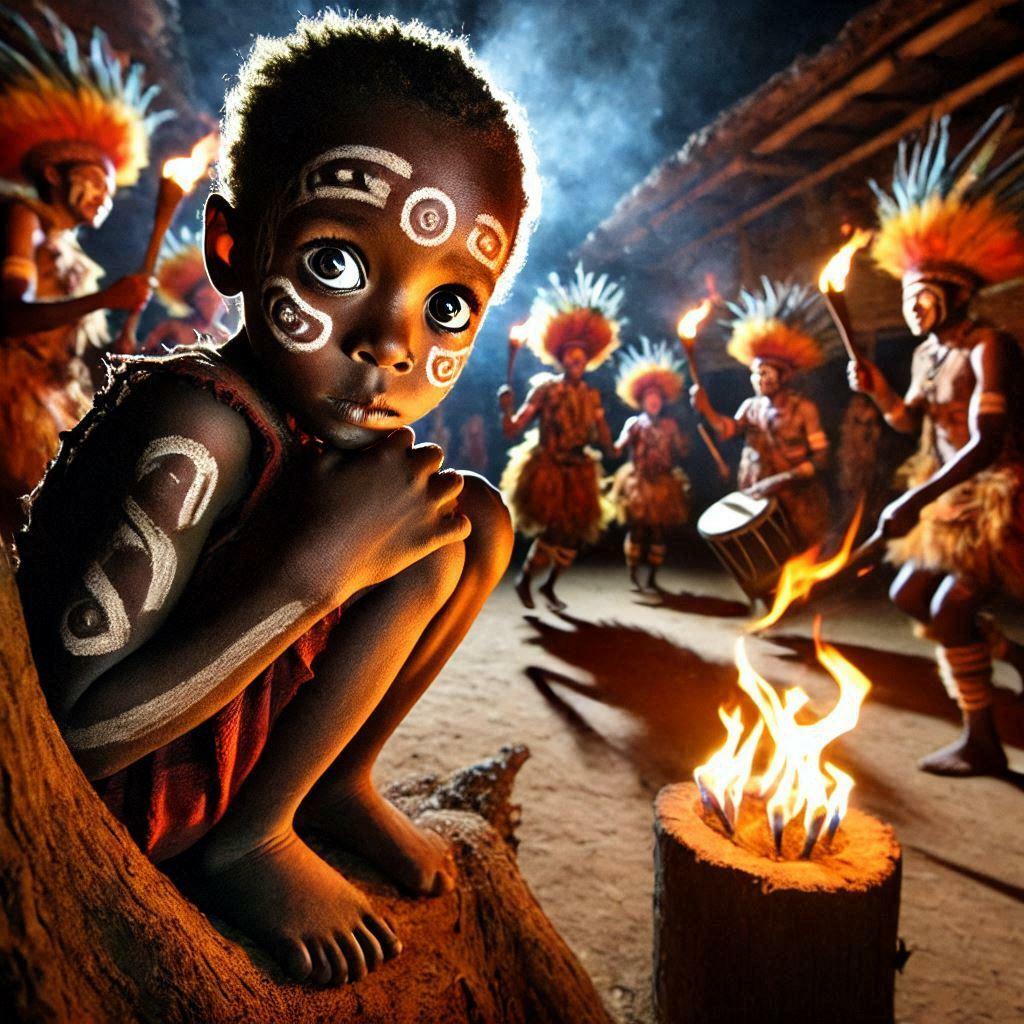
But Davis had a peculiar rule: only elders were allowed to watch the evening dance concerts. These dances, said to summon the spirits of their ancestors, were considered sacred, and children were forbidden from attending.
Rio’s curiosity grew with every passing year. By day, he would sneak glances at the dancers practicing. By night, he would hear the distant sound of drums echoing through the air and imagine the beauty of the forbidden performances. 
One evening, the sound of the drums was particularly alluring. It was as if the music was calling out to him. Unable to resist, Rio crept through the shadowed alleys and slipped into the crowded square. He found a hiding spot behind an old tree, his heart pounding with excitement and fear.
The dance began, and Rio was spellbound. The dancers moved like waves, their feet pounding the ground in unison. The flames of the torches illuminated their vibrant costumes, and their faces were painted with patterns that seemed alive under the flickering light. The energy of the crowd was electric, their chants merging with the rhythm of the drums. 
Suddenly, Rio felt a hand on his shoulder. He turned to see Nkem, an old fisherman who often shared stories with him. “Rio,” Nkem whispered sternly, “you shouldn’t be here. If the elders catch you, there will be trouble.”
“But, Nkem,” Rio pleaded, “look at them. It’s beautiful. I just wanted to see it once.”
Nkem sighed, his weathered face softening. “You’re brave, boy, but bravery without wisdom is dangerous. Stay hidden.”
As Rio tried to shrink further into the shadows, a commotion erupted. One of the dancers, a woman named Fola, had noticed him. She gestured towards the tree where he hid, her painted face unreadable.
The music stopped abruptly. The crowd turned. An elder named Chief Abuto stepped forward, his staff thumping against the ground. “Who dares defy the sacred rule?”
Rio’s legs trembled as he stood up, his small figure stark against the crowd. “It was me, Chief. I only wanted to see the dance.”
The crowd murmured, and Chief Abuto’s face hardened. “You’ve disrespected our traditions, boy. The spirits do not forgive such insolence.” 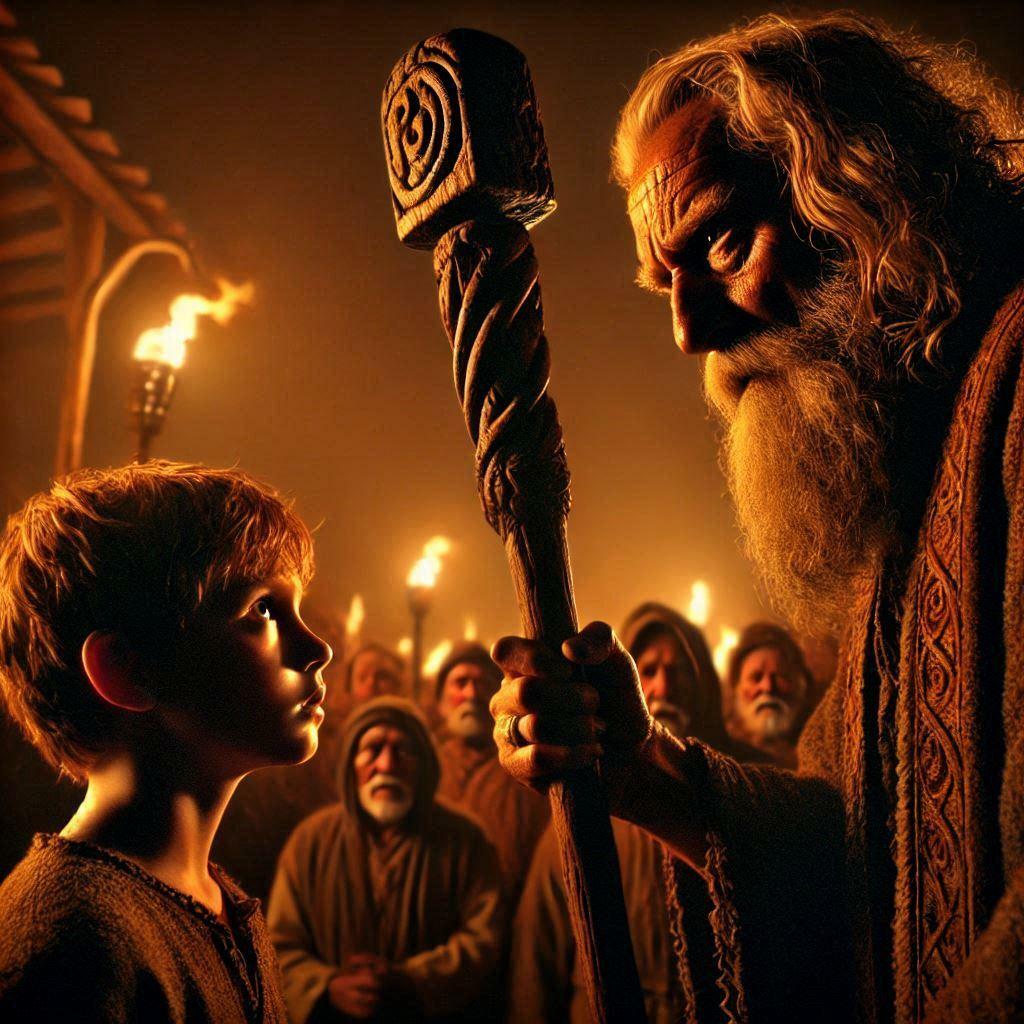
That night, Rio was dragged to the elder’s hut. The village shaman, a stooped woman with a voice like crackling fire, declared that Rio had angered the spirits. “You shall not find peace,” she intoned, “until you understand the true meaning of dance and earn the spirits’ forgiveness.”
From that moment, strange things began to happen. Wherever Rio went, he could hear the faint sound of drums. He couldn’t sleep, for visions of the dancers haunted him. His feet would move uncontrollably, as if he were trying to mimic the sacred dances.
Desperate for answers, Rio sought help from Nkem. “The spirits won’t leave me alone,” he cried.
Nkem nodded thoughtfully. “Then you must face them, Rio. Seek out Elder Anayo in the neighboring village. He knows the old ways.”
The journey to Anayo’s village was treacherous. Rio crossed rivers and dense forests, encountering wild animals and enduring storms. Along the way, he met a girl named Amara, who joined him after hearing his story. “You’re not the only one who’s curious about the dances,” she admitted. “Maybe together, we can learn their secrets.” 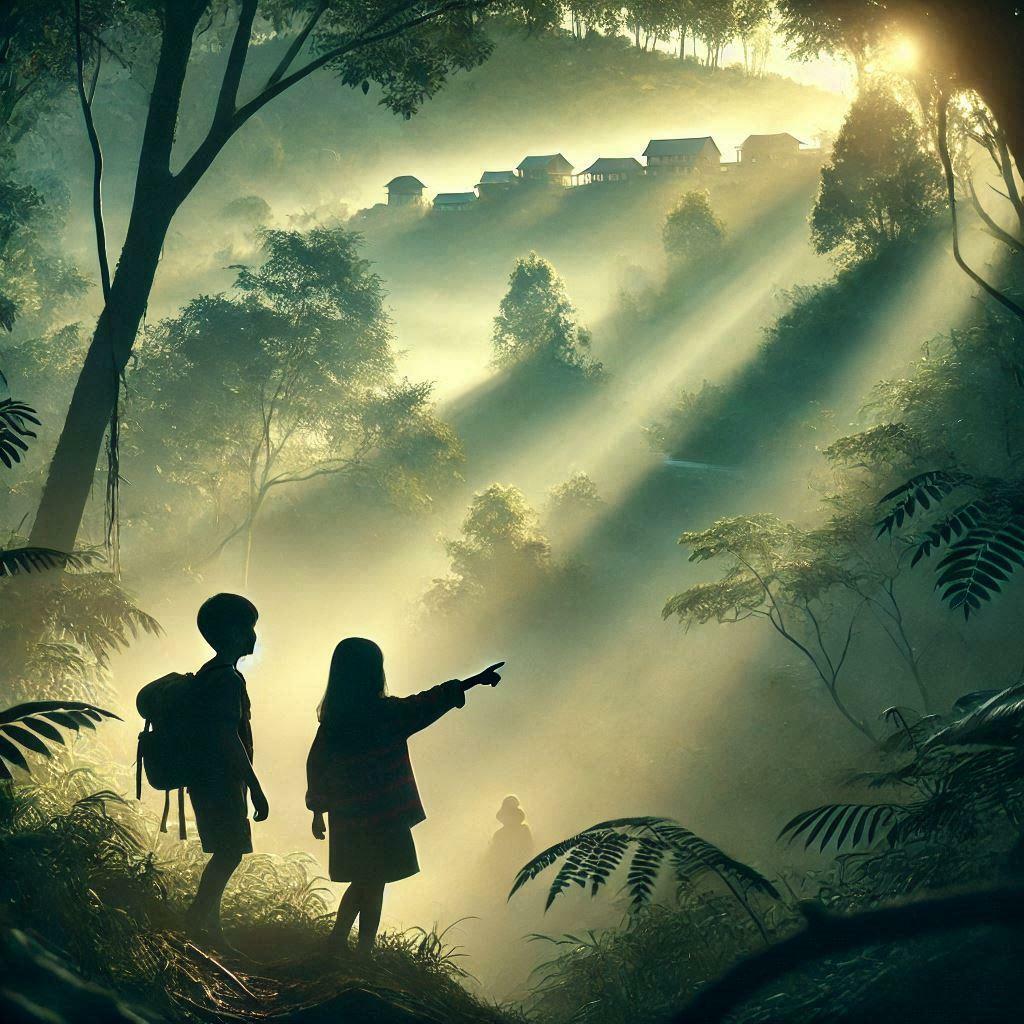
When they reached Elder Anayo, the old man listened intently. “Dance is not just movement,” he explained. “It is connection—between people, between the past and the present, and between the earth and the sky. To truly understand it, you must give yourself to it.”
Anayo gave Rio a task: to create a dance that told his story. For weeks, Rio practiced. Amara helped him choreograph the movements, drawing inspiration from the rhythms of nature. Slowly, Rio began to understand the power of dance—not as mere entertainment, but as a language that spoke to the soul.
When Rio returned to Davis, he performed his dance before the elders and the entire village. His movements told of his curiosity, his defiance, his struggles, and his newfound understanding. The crowd was silent, and even Chief Abuto seemed moved. 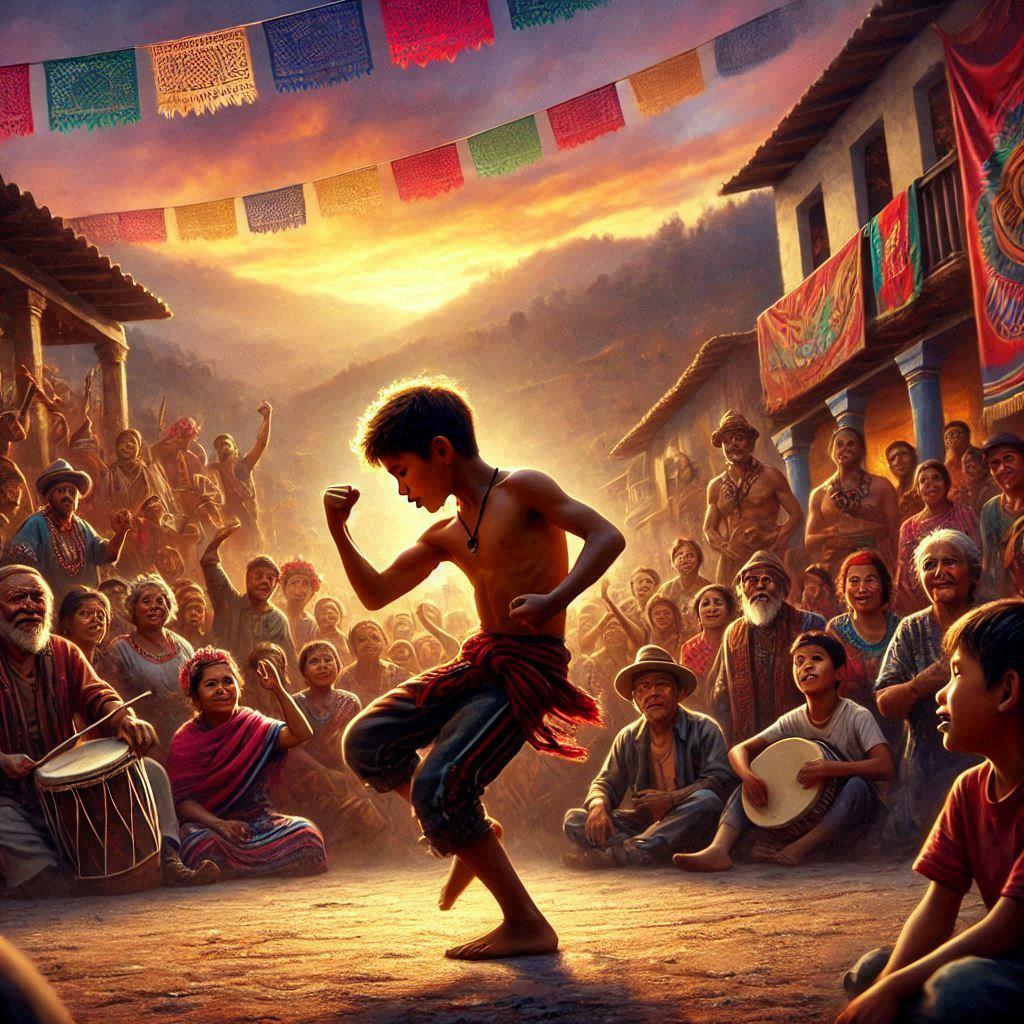
The shaman stepped forward. “The spirits are pleased,” she declared. “You have learned that dance is not forbidden, but sacred. It is meant to be shared with those who honor its meaning.”
From that day on, the rule was changed. The evening dances were opened to all who wished to watch, young and old alike. Rio became a celebrated dancer, teaching others the lessons he had learned.
The village of Davis never forgot the boy who dared to challenge tradition, and Rio’s story became a legend—a tale of curiosity, courage, and the transformative power of dance.
To Support Chim_George consider buying a play or becoming a member.
FOLLOW CHIM_GEORGE