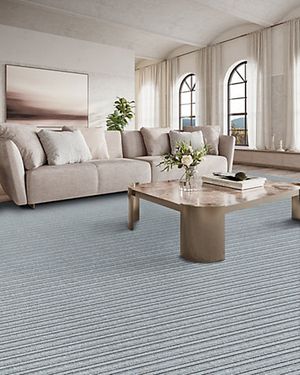

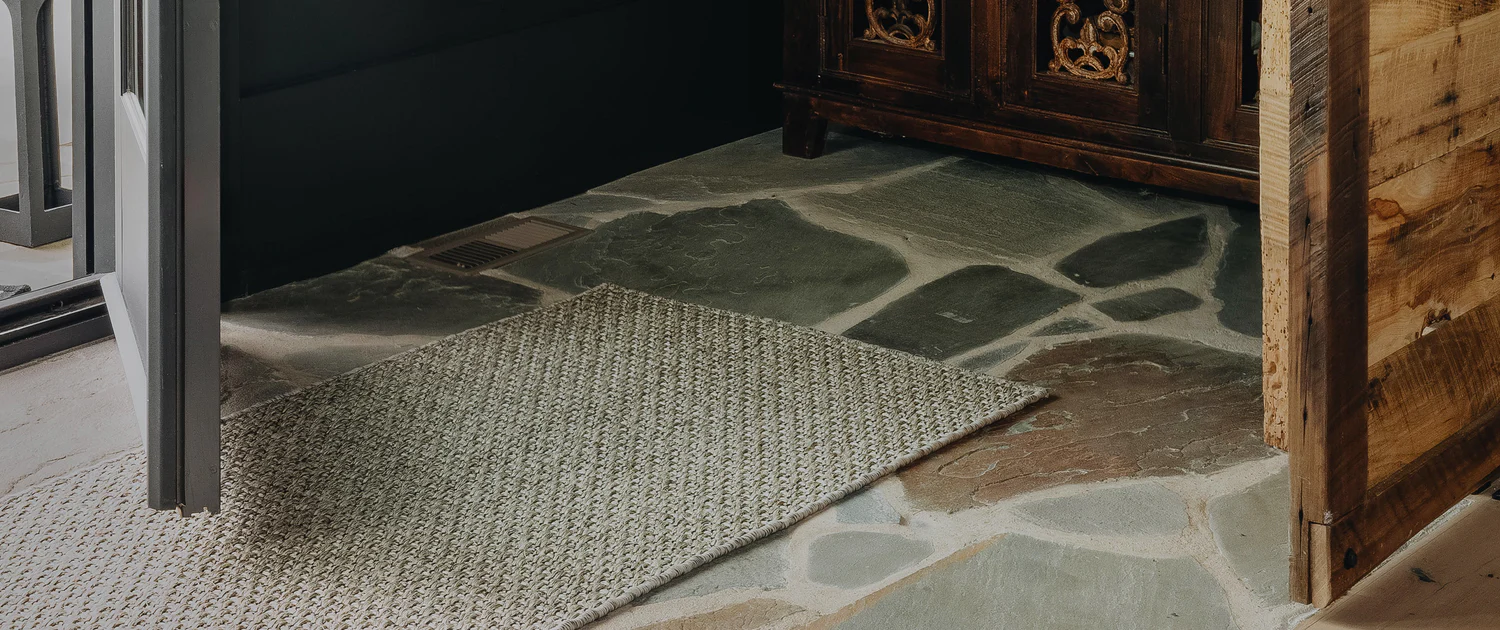
Some flooring choices are loud. They walk into the room first, wave their arms, and make sure everyone knows they are there.
Sisal carpet does the opposite.
It stays calm. It brings texture. It gives the room a little backbone. It makes the furniture look more intentional, the architecture feel more grounded, and the whole space seem as if someone with good taste came through and quietly edited out the nonsense.
That is why sisal carpet has never really gone away. It is not trendy in the frantic, “everyone must have this by next Tuesday” kind of way. It is more durable than that in the design sense. Sisal works because it solves a problem many rooms have: they need warmth and texture, but they do not need another pattern fighting for attention.
A good room needs a floor that participates
People often think of flooring as the background. That is only half true.
The floor is the largest surface in the room after the walls. It affects how every chair, table, sofa, bed, and lamp feels in the space. When the floor feels unfinished, the room can feel unfinished, too.
This is where sisal does something useful. It gives the floor texture without making it visually busy. The woven surface catches light. The natural fibers add movement. The room gets more depth, but not more clutter.
That balance matters.
A patterned rug can be beautiful, of course. A plush carpet can be cozy. A bold color can be dramatic. But not every room needs drama underfoot. Some rooms need discipline. Sisal carpet gives you that.
It makes a living room feel pulled together. It gives a bedroom a calm, tailored base. It can make a home office feel less like a spare room and more like a place where someone actually makes decisions. In hallways and stair areas, sisal can add that crisp, architectural feeling that makes the transition spaces in a house feel designed instead of forgotten.
Custom size sisal rugs fix the “almost right” problem
One of the biggest mistakes people make with rugs has nothing to do with color, pattern, or material.
It is size.
A rug can be beautiful and still be wrong for the room. Too small, and the furniture looks like it is floating. Too large, and the rug can swallow the room. Close enough is not always good enough, especially when the goal is a tailored, finished look.
That is why custom size sisal rugs are so helpful. They let the rug fit the room instead of forcing the room to work around whatever standard size happened to be available.
In a living room, the rug should connect the main furniture pieces. At the very least, the front legs of the sofa and chairs should usually sit on it. In a larger room, having all furniture legs on the rug can create a more generous and expensive-looking layout.
In a dining room, the rug needs enough space for chairs to pull out comfortably. This is where many standard rugs fail. They look fine when the chairs are tucked in, then become annoying the second someone actually uses the room.
In a bedroom, the rug should extend beyond the bed so it feels intentional when you step out of bed. A tiny rug floating at the foot of a large bed rarely does the room any favors.
With sisal, getting the size right is even more important because the look is so clean. There is nowhere for awkward proportions to hide. But when the rug is sized correctly, the room suddenly feels calmer, sharper, and more expensive.
The border changes everything
A sisal rug is not just about the sisal.
The border matters. A lot.
A narrow border keeps the look simple and relaxed. A wider border makes the rug feel more tailored. A tone-on-tone border keeps everything quiet. A contrasting border turns the rug into a stronger design statement.
This is where custom size sisal rugs become especially interesting. You can adjust the size, the shape, the border material, and the border color to suit the room. That makes the rug feel planned, not purchased in a rush because the floor looked empty.
A leather-look border can give sisal a masculine, library-like mood. A soft cotton or linen-style border can feel coastal or casual. A darker border can sharpen the edges of the room. A lighter one can keep everything breezy.
The border is the frame. And just like with art, the wrong frame can make a good piece look ordinary.
Where sisal works best
Sisal carpet is at its best in rooms that benefit from texture, structure, and natural warmth.
Living rooms are a natural fit. Sisal grounds the seating area without overpowering upholstery, art, or drapery.
Bedrooms can also be beautiful with sisal, especially when the goal is calm rather than plush softness. It gives the room a clean, collected feeling.
Home offices, libraries, and studies are excellent places for sisal because it feels tailored. It adds seriousness without becoming stiff.
Stair runners can also look fantastic in sisal when properly specified and installed. The woven texture gives stairs a crisp, finished look that feels much more intentional than leaving them bare.
There are also places where sisal needs more caution. Damp areas are not ideal. Bathrooms, mudrooms, and moisture-prone basements are usually not the best candidates. Dining rooms can work beautifully, but they require a realistic look at how the room is used. Adults having dinner? Fine. Toddlers conducting scientific experiments with marinara sauce? Maybe not.
That is not a criticism of sisal. It is just good material judgment.
Sisal is not pretending to be plush
One reason people either love or misunderstand sisal is the feel.
Sisal is not a soft, fluffy carpet. It has a firm, textured hand. It is natural, structured, and tactile. That texture is part of its appeal, but it is not the right choice for someone who wants the floor to feel like a luxury robe.
This is where expectations matter.
If the goal is cozy softness, wool carpet or another plush option may be better. If the goal is texture, polish, and a natural woven look, sisal can be hard to beat.
Good design is not about choosing the “best” material in the abstract. It is about choosing the right material for the room, the people, and the way the space is actually used.
Why sisal keeps showing up in expensive-looking rooms
Sisal has that rare quality of making a room look elevated without making it look decorated to death.
It works with linen. It works with leather. It works with antiques. It works with modern furniture. It works in coastal homes, traditional homes, transitional homes, and those hard-to-name interiors where everything is tasteful but nothing wants to admit how much it cost.
Part of the reason is that sisal does not compete. It supports.
A custom size sisal rug can sit under a beautiful sofa and let the sofa be the star. It can quiet down a room with strong wallpaper. It can bring warmth to a space with stone, glass, or metal. It can make a room with simple furniture look more layered and considered.
That is the real trick. Sisal does not try to make the room about the rug. It makes the room better.
The quiet luxury is in the details
Luxury design is often less about obvious expense and more about precision.
The rug is the right size. The border is the right width. The color works with the flooring and furniture. The texture adds something the room was missing. Nothing feels accidental.
That is why custom size sisal rugs make so much sense. They allow homeowners and designers to get the proportions right. And in interiors, proportion is everything.
A room can have expensive pieces and still feel off. A room can also have simple pieces and feel beautiful because the scale, texture, and layout are right. Sisal helps with that second kind of beauty.
It is not flashy. It is not precious. It is not trying to become the centerpiece of your personality.
It just makes the room feel finished.
And honestly, that is enough.