

One of the most interesting takes on the Metroidvania formula
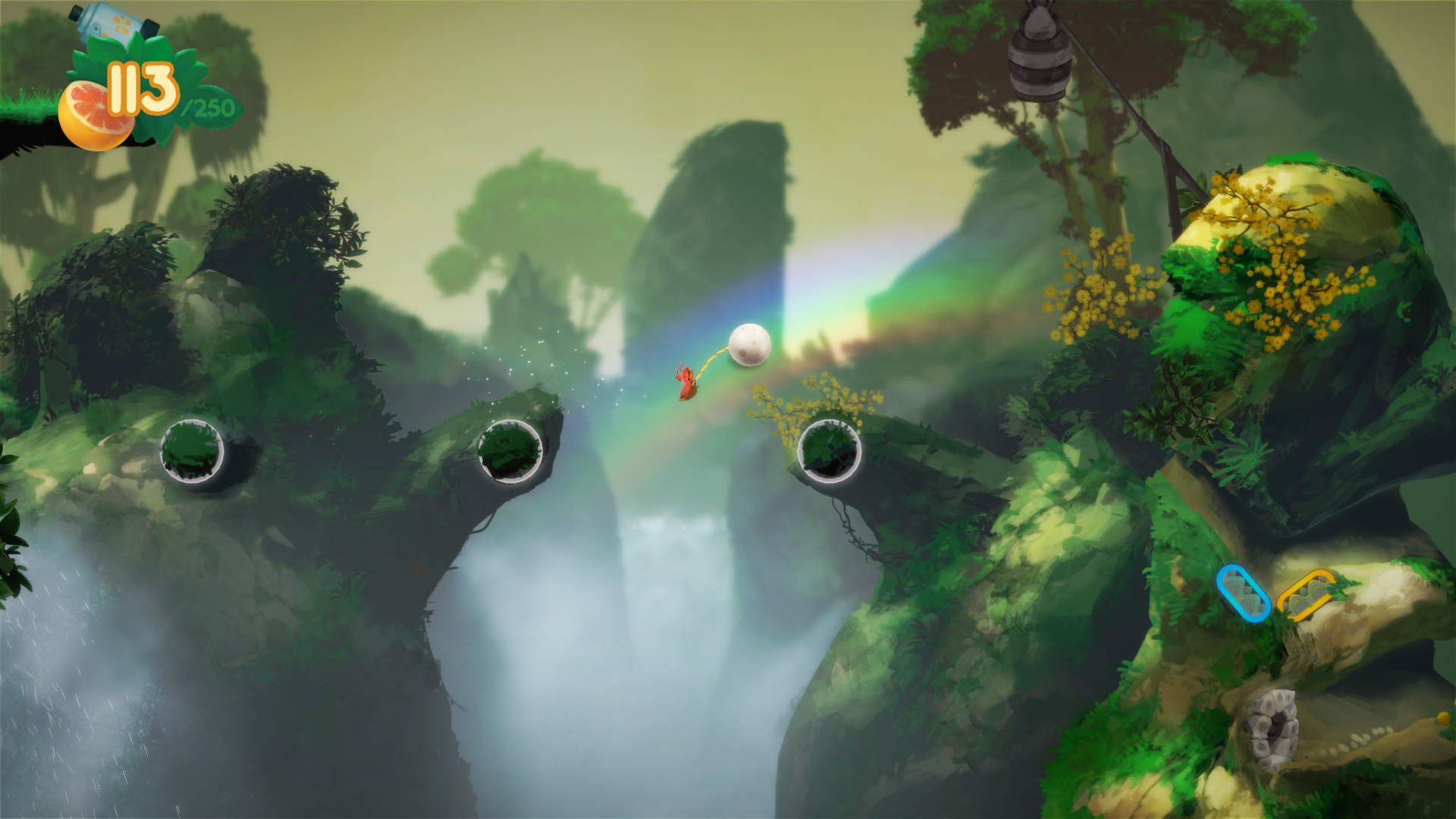 Just when I thought digging-based Metroidvanias (SteamWorld Dig 1 & 2) were about as novel as the genre could get, something even wilder arrives: a Metroidvania built around pinball navigation. It’s one of the most unique games I’ve ever played. But does it function smoothly, or get stuck in its own ambitions?
I have played pinball, but I am not a huge fan, and I don’t go out of my way to seek out machines. If you’re like me, no need to worry; you don’t have to understand the ins and outs of traditional, often complex pinball tables to enjoy Yoku’s Island Express. The way pinball is presented here is approachable and user-friendly.
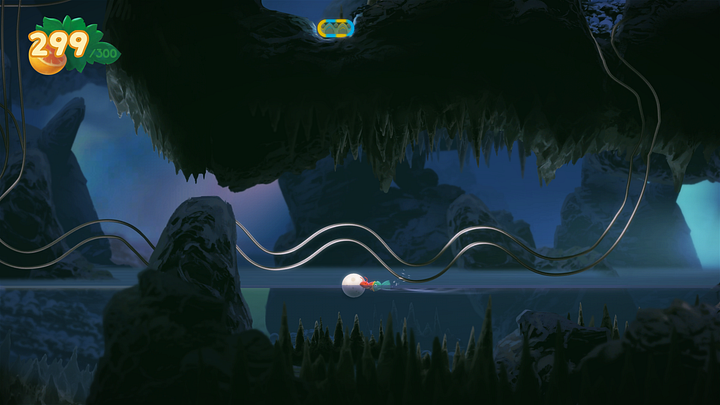 There are plenty of boards in the game, and falling into the drain carries only a minor penalty, usually the loss of a small amount of fruit, something I will touch on briefly later. Otherwise, the game features standard flippers at the bottom, additional flippers scattered throughout the board, and a variety of bumpers, fruit pickups, and other obstacles.
All of the boards are ingeniously intertwined in the world of Mokumana Island, almost as if it were one big board. Later, other board quirks are needed to get a vacuum to suck up slugs, break large stones, and dive underwater. On a more sour note, the grapple movement introduced towards the end of the game is cumbersome, but all of these abilities help the island open up more. Getting used to the controls takes time, but it is manageable.
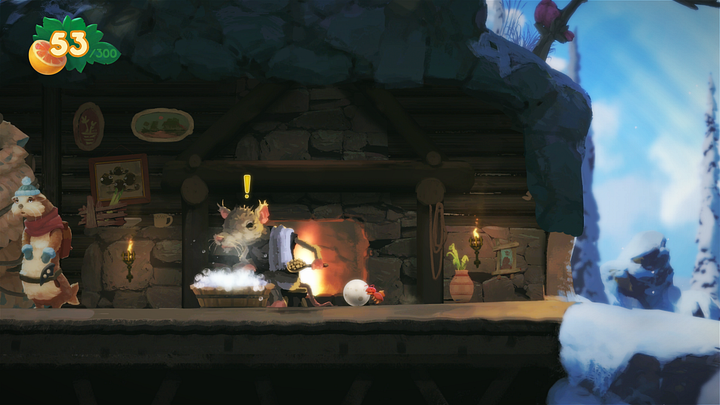 Moving around the Island and into different boards, you’ll quickly see that some bumpers are locked. Unlocking them costs between 30 and 80 fruit, which you collect in typical pinball fashion by knocking your ball around the board, like any other digital pinball game. That fruit is used for upgrades.
You’ve probably noticed there is a little bug that pushes your ball around, too. That’s Yoku, and I suppose the ball and bug are mutually beneficial to each other to move around the island the way they do. Major tasks Yoku must complete are to deliver letters and packages to mailboxes and residents around the island.
The game isn’t hard at all and requires patience to complete, since there are no game overs. There are a few bosses woven into the story in clever ways. Be aware they aren’t bosses in the traditional sense, but are more akin to pinball puzzles that need to be solved.
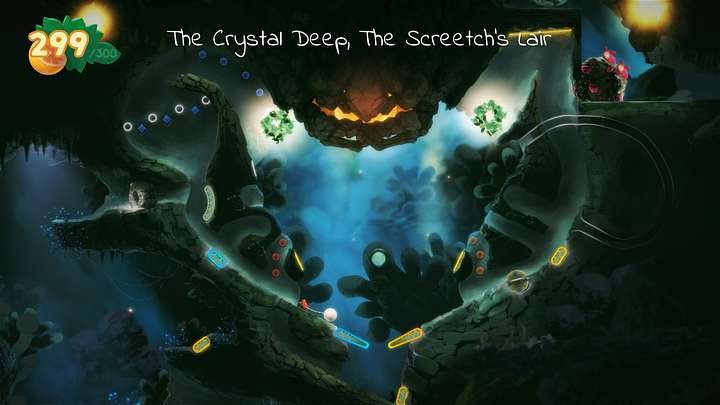 You can’t blindly move around the island, though. That is where the map comes in; it is very detailed and well marked, and helps in planning a route ahead of time. As the various beelines open up, they function as rapid transit shortcuts, making it easier to zip around the island quickly. Plus, save points are extremely generously placed. I got lost a few times or struggled to find a way forward, but otherwise progression was smooth, though it can feel overwhelming when large swaths of the map are shrouded in clouds. Uncovering more of the map makes the immediate area visible, which feels so rewarding. If you figure out that you actually ended up further away from your goal than intended, accidentally, it takes seconds to return to the previous checkpoint.
Yoku is a charming game that should take most first-time players anywhere between 6–12 hours, depending on whether you want to complete the game or 100%. It is likely the hours will melt away regardless, with vibrant, vivid graphics. If you’ve had enough of the more dreary and drab Metroidvanias, most of the island is the exact opposite, even when underground. The music is peaceful and gives a playful, laid-back vibe.
Yoku’s Island Express isn’t the best Metroidvania or even a top-ranked one, but it’s one of the most distinct and quirky. If you want an easy-going gaming experience, this and SteamWorld Dig 1 are the way to go.