
Time Away and the Newsletter
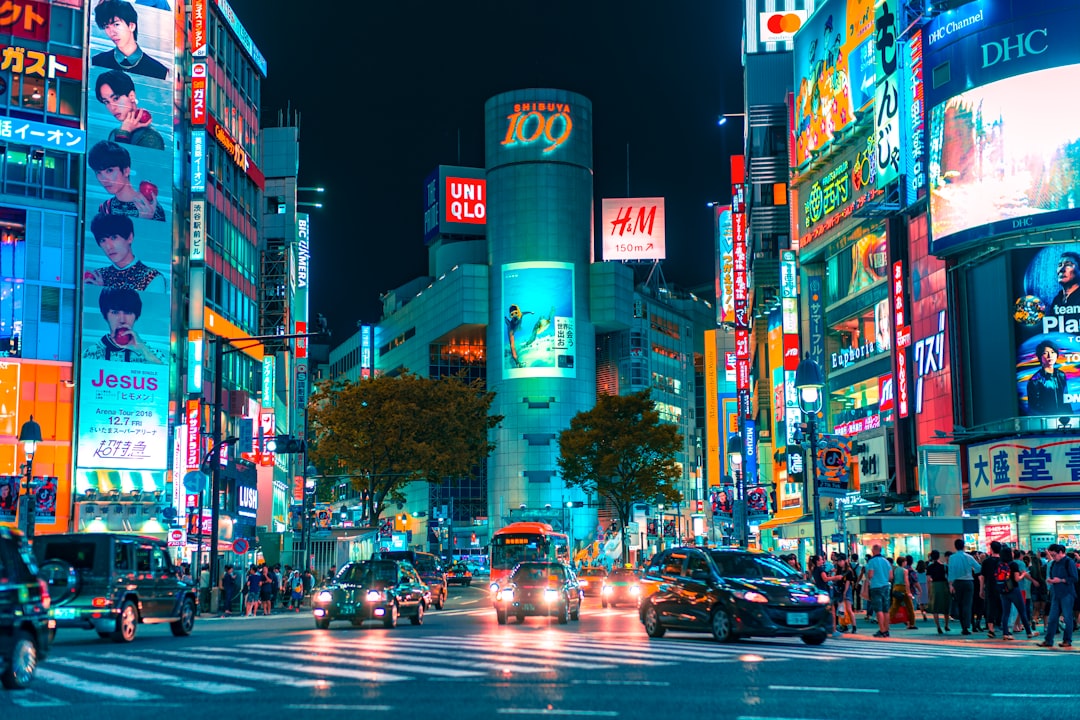 Photo by Jezael Melgoza on Unsplash
I try never to let Canadian Returnee and American Refugee go quiet while I’m travelling. Before I left, I scheduled a run of articles so both paid and free subscribers alike would still have something worth reading each week. I also dropped in a few times when I had Wi-Fi, mostly for quick updates.
This time, the trip was to Japan. Two weeks away from Ontario, in a country that runs on a different timezone and a different set of assumptions than the one I write about every week. I didn’t expect the trip itself to become material because of what happens during international travel, especially parts nobody plans for.
Thirteen Hours and Jet Lag
Getting to Japan from Canada takes roughly 13 to 14 hours in the air each way, and the return leg also needs a transfer through Vancouver. It’s a long haul, longer than flying to most of Europe, because you’re crossing the Pacific rather than the stretch of the Atlantic.
The last time my wife and I made this trip, we were living in Hong Kong and didn’t have our son yet. That trip to Japan took less time and was obviously less complicated. This one involved our son and a lot more planning.
Japan in late summer runs hot right as Canada starts cooling into fall. That hit us the moment we stepped outside the airport and on the walk to our hotel. Most of our days were spent walking around the city, eating in local restaurants, shopping for interesting products, and adjusting to a humidity that Ontario rarely produces in the summer.
My son wasn’t much of a fan of the food or the walks. He’d rather spend an afternoon in a toy store or spinning gatchas than at a restaurant table, and the stops he asked to repeat were the well-known Ferris wheel nearby. He mainly cared about watching sharks and jellyfish at the nearby aquarium, or a slow ride with a view, rather than Japanese food.
A Flu Diagnosis and a Lesson About Travel Insurance
A few days after we landed, my son came down with the flu. It’s quite stressful when you’re doing it in a country where you don’t speak the language and don’t know the health system. We found a local doctor thanks to the help of a kind taxi driver, got him checked out, and left with prescription medication. The way it worked out was a relief, given how he was at the time.
What’s still unresolved is how much our travel insurance will cover. If you’re an Ontario resident, OHIP stopped covering out-of-country medical costs back in October 2019. A doctor’s visit in Japan comes entirely out of pocket unless private insurance picks it up, which is why every travel agent and government website tells Canadians to buy it before they leave.
The part of the trip that frustrated me was observing how transfer passengers boarded our flight to Japan from outside Canada without going through any kind of health screening. Some travellers are known to take fever-reducing medication before a flight specifically to beat thermal cameras, a workaround that’s been documented since SARS. Still, enough passengers don’t bother because nobody’s checking in the first place.
I’ve flown domestically across Canada more times than I can count without picking up so much as a cold. The illnesses I’ve caught have come from flights connecting through the United States. That’s something that almost lines up with what Canada already learned and forgot.
What Canada Forgot
Canada actually had this screening in the past. During the SARS outbreak of 2003, Toronto became the hardest-hit city outside Asia, with 251 probable cases and 43 deaths tracked back to a single traveller who arrived from Hong Kong that year. In response, Health Canada installed infrared thermal scanners at Toronto’s Pearson Airport and at Vancouver’s airport, screening passengers by the time the outbreak wound down. Singapore built its own version, and Japan did the same.
The difference is that Singapore and Japan kept refining and using thermal and infrared screening, carrying it into the COVID-19 pandemic. Canada scrapped its scanners, while the United States never bothered with its own airports and still hasn’t. This matters when Canadian carriers pick up connecting passengers who started in America. Countries like Japan and Singapore built permanent preventative public health infrastructure, while Canada built a temporary response and dismantled it once it ended.
Russian Tourists in Japan
The other thing that stood out in Japan was how many Russian tourists were enjoying an ordinary vacation there, at a time when Russians face serious restrictions in most of the European Union. My wife asked one group where they were from, and the guy answered awkwardly that they were Russian, clearly expecting strange looks in light of what was happening.
Since Russia’s full-scale invasion of Ukraine began in February 2022, the EU suspended its visa agreements with Moscow, and countries bordering Russia moved toward near-total bans on Russian tourist visas. The EU tightened things further, ending multi-entry Schengen visas for Russian citizens. On the other hand, Tokyo sanctioned Russian individuals and companies and backed Ukraine with material support since the war started, but Japan never touched tourist visas. They’re still good for Russian citizens, with new visa processing centres opening in Moscow and St. Petersburg to keep pace with demand.
Watching a group of Russian tourists enjoying Japanese sights and food while Ukrainian cities were still being attacked is hard to sit with, and it is even worse when enough Americans do not see any issues with it.
What are August’s Most Read Stories
On Canadian Returnee, the ones that got the most traffic covered Ottawa’s current government, foreign voices shaping Alberta’s independence referendum, and why Alberta separatism would backfire.
Over on American Refugee, readers gravitated toward asking whether Americans can move to Canada in 2026, a personal account of not missing the United States after years away, and a breakdown of how American federal elections work.
None of that is a coincidence. Readers are trying to understand institutions that feel increasingly unstable, whether that’s a provincial referendum or a presidential system under strain.
Most Popular Articles from August
Canadian Returnee
Imperfect Beats Incompetent in Ottawa
Foreign Voices are Shaping Alberta’s Referendum
Alberta Independence Would Backfire Badly
American Refugee
Can Americans Actually Move to Canada in 2026?
I Don’t Miss America After Years In Canada
How American Federal Elections Really Work
Regular Programming Resumes
With the trip behind us, regular updates are back. Paid subscribers will keep getting the personal and behind-the-scenes posts, and all free and paid subscribers will keep getting the usual content, as both continue to roll out on the usual schedule.
I also want to be direct about something that has been happening. As some of you may be aware, the paid subscriptions have been dropping, and it tracks closely with the economy getting harder, especially in Canada and the United States. I get it, knowing a subscription is an easy thing to cut when a grocery bill or rent is eating more than it used to. If a paid subscription isn’t in the cards right now, a one-time tip through Buy Me a Coffee helps, and so does sending this to one person to become a subscriber.
Things Worth Doing With All of This
If you’re planning international travel with kids, buy travel insurance. If airport health screening after a pandemic interests you, it’s worth asking your own MP or MPP why Canada built functioning infrastructure and then dismantled it instead of keeping it and improving it the way Japan and Singapore do. Most of all, if Japan’s approach to Russian tourism feels uncomfortable, that is a right reaction, not something to ignore or excuse as some people do.
None of this happens without the people reading it. If this was worth your time, a like or a share genuinely helps beat the algorithm that decides who sees it next. If you’ve been meaning to go paid, annual subscriptions are discounted right now, and if a subscription isn’t realistic, a Buy Me a Coffee tip keeps this publication funded and independent either way.