
America Taught Me to Resist
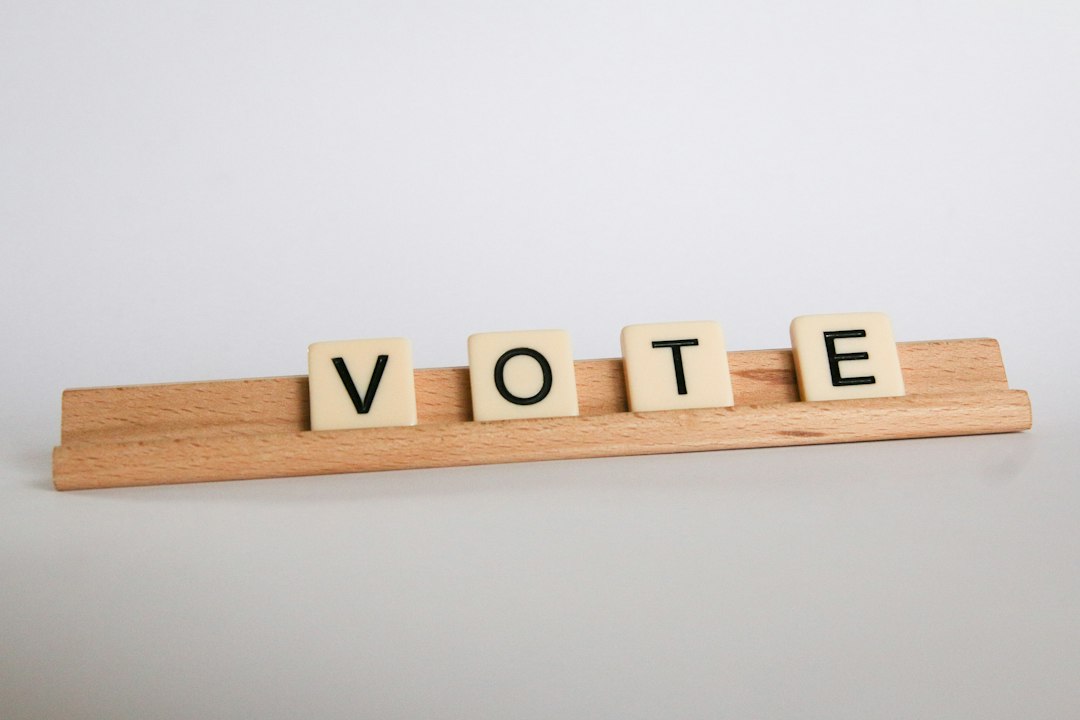 Photo by Glen Carrie on Unsplash
For years, I was told that America is the best place in the world, and I learned to resist that message. That American experience now shapes how I see what is happening in Alberta. I hold dual citizenship because I lived in both countries, and getting there came with its share of challenges. Some small-minded or jealous Canadians and Americans resent that, but I stopped caring.
American exceptionalism is the idea that the United States is uniquely better among nations. French writer Alexis de Tocqueville described Americans as exceptional in the 1830s, and the idea has been fed to Americans ever since. I was force-fed it too, and it looked very different once I had lived there. Note: this update appears on Buy Me a Coffee first and reaches the usual blog platforms afterwards.
Wannabe-Americans Make Me Angry
I can’t stand wannabe-Americans, and Alberta has a growing number of them. I don’t live in Alberta and have no plans to move there. I do know the mindset, and I have moved well past it. What wannabe-Americans dream about has little in common with what American life is like. I have seen the real thing, and the fantasy does not survive contact with it.
This is why I write about the upcoming Alberta referendum, scheduled for October 19. I want Albertans to show up and vote. For readers who live elsewhere, I want to explain why separation is a bad idea.
Danielle Smith has been Alberta’s premier since October 2022, and her government has plenty of problems that deserve attention. A separation campaign pulls that attention away from them. Voters who spend the fall arguing about leaving Canada are not asking what their provincial government has done.
I also think the movement has outside backing. Russian and American elements appear to want a sphere of influence in Canada, and a weaker, divided country serves that goal. They would undermine what quality of life Canada has left.
Anyone tempted by the American version of the dream should look at how things turned out for people who ended up under an American flag without American rights. American Samoa is a United States territory, and its residents are not American citizens who cannot vote for president. An independent Alberta that later fell into American influence could end up as an unincorporated territory, with no say in the country that ran it.
Crimea is the other risk. Russia annexed it in 2014 after a hastily organised referendum, and most of the world, including the United Nations General Assembly, rejected the result. Crimeans have lived under Russian misrule since, which is something Albertans should think about if they want American misrule.
What Quebec Separatism Looked Like
Albertan separatism reminds me of Quebec separatism at its peak in the 1990s. The movement behind it was stupid and racist, and I say that as someone who sat in its classrooms.
Quebec held two referendums on leaving Canada. Voters rejected the first in 1980. The second, in October 1995, was decided with the No side winning by less than 1 percentage point. Jacques Parizeau, the premier who had led the Yes campaign, blamed “money and the ethnic vote” for the loss that night. That told many Quebecers who had not been born there exactly where they stood.
I know enough Canadians who never lived in Quebec to know many of them think the era was cool, especially in academic circles, where it reads like an interesting time to have been there. I didn’t find it fun because classmates at my school in Quebec blamed me for keeping them from becoming a failed country, and some teachers threw me out of class for the slightest reason. A few of those teachers had spouses unemployed in the bad economy at the time, while others wanted to keep the class whiter and more French.
Newcomers took the blame for the problems in Quebec. Quebec separatists made claims that newly naturalised citizens were indoctrinated to vote against what separatists called their right to be a country. The anger was also taken out on Indigenous Canadians in Quebec. I see enough of those elements in the Albertan version to worry me. I also see moments that remind me of Russian involvement in Crimea before the peninsula was taken away.
American Voters Need to Show Up in November
I will also be writing on the American Refugee about the American midterm elections on November 3. Americans make excuses for not voting when it matters, and many nonvoters claim to be victims of vote fraud.
Voters who turn out in large numbers and win by wide margins leave an incumbent little room to ignore the result. Donald Trump can’t brush aside a landslide. Viktor Orban, who has held power in Hungary since 2010, had to respect the results of his country’s election and move on, even after he had moulded the system to suit his needs and those of his backers.
If Americans don’t show up, or if they rely on voting options such as mail-in ballots that can be invalidated, then America, as people still believe in it, is effectively a lost cause. Enough swing-state voters already made the wrong choice, either by staying home or by voting for Trump when it counted. Now is a good time to correct that, and a bad time to claim blamelessness.
Most Popular Articles from September
Canadian Returnee
Canada Opened a Door to Hong Kong, Then Stalled
The Job Market That’s Pushing Grads Abroad
Canada’s Fake Talent Shortage Is Hurting Everyone
American Refugee
What Living in Canada Looks Like
What Americans Can Do for Canada Right Now
The World Stood with America on 9/11
What September’s readers told me
Engagement between my two publications has inverted since the latest algorithm changes. The monthly analytics now give me more information about the American Refugee and only barebones data on the Canadian Returnee.
American Refugee readers want topics about supporting Canada, or about American culture in general. Canadian Returnee readers engage with life in Canada and its social issues. I suspected as much at the American Refugee, so I will write more about what it is like to leave America for another country, and about my own American experience.
At the Canadian Returnee, I will keep covering life in Canada, current events, history and the local nuances that locals miss. I am a bit sad that immigration has become so controversial. I think the Justin Trudeau government mismanaged it and implemented it poorly. I already wrote about some of this on the American Refugee and am taking my time with how I feel for the Canadian Returnee.
A Hard Week for Truth and Reconciliation Day
On a depressing note, I lost enough subscribers around Canada’s National Day for Truth and Reconciliation to notice. All I did was share updates and write about the day.
Parliament created the day in 2021, after the discovery of unmarked graves at the former Kamloops Indian Residential School site, and it is on September 30 each year. This is in response to a system that removed roughly 150,000 Indigenous children from their families to attend residential schools. The Truth and Reconciliation Commission issued 94 calls to action in 2015, and the day exists to keep that work from being forgotten.
Readers who don’t want this topic, or social issues in Canada generally, can head to the Canada Resists Substack. It focuses on content people want to hear rather than what they need to hear. A Canadian academic who is not of racialised origins writes it.
I am still glad that many Canadian writers and allies are devoting space on their platforms to the day. Some at least give non-Canadian readers a general idea of what the day is about and why it matters here.
Trudeau once told a newspaper that Canada was the first post-national country, and the prime minister turned socialite can say what he likes. That does not make any of it true. Readers who can’t see this should check themselves and ask whether they are too racist to be open to new ideas, too attached to biased stereotypes, or just clueless.
What You Can Do Before October 19
If you live in Alberta, vote. Check where your polling place is, and bring a friend who might otherwise skip it. Everyone else can help by talking to Albertans they know. Ask what they think the referendum would fix, and ask who is paying for the campaign. Readers in the United States should plan how they will vote on November 3 and use the option least likely to be disputed later.
If you have a moment, read a bit about the 1995 Quebec referendum, American Samoa and Crimea. Each shows what happens when people are asked to trade what they have away for an empty promise. Thank you for reading, sharing and sticking with me through a month when the algorithm changed and some subscribers left. Your support keeps these articles coming.
Writing is what I would do for free, but my family still needs groceries and bills come due, so a paid subscription makes a real difference. The discounted annual rate is available now. If a subscription doesn’t suit you, restacks and shares help the free articles find more readers, and you can always buy me a coffee.