
The Karen people of Burma (now Myanmar) have faced unimaginable challenges for almost 80 years. For those who may not be familiar with their history and the current state of their plight, this post aims to provide an overview of the struggles they continue to endure and why we are committed to helping them rebuild. Through our work, we seek to address the immediate needs of the Karen as they return from decades of displacement and prepare for a new future. At the heart of this effort is the establishment of a leadership training school to equip pastors and Christian leaders who will play a pivotal role in the reconstruction of Karen communities.
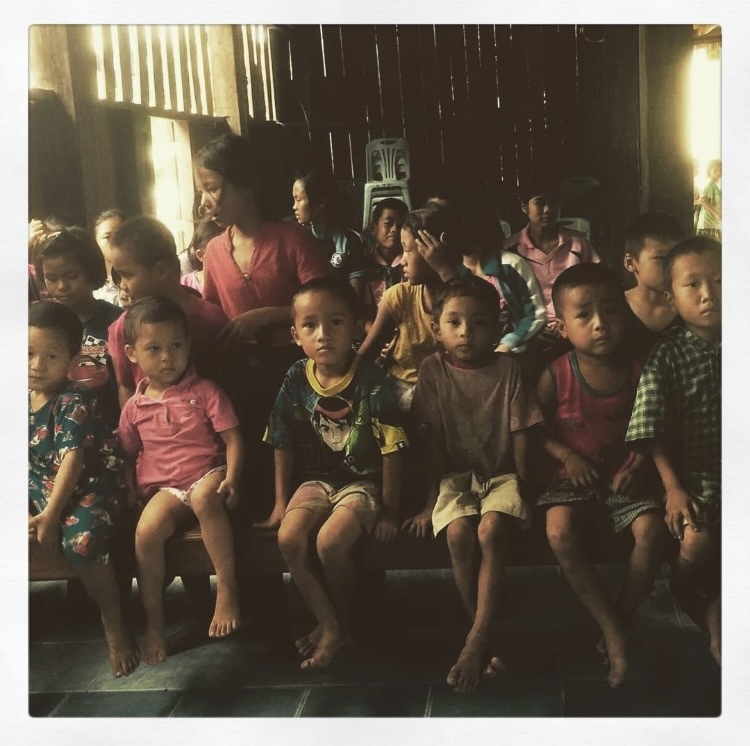
A Brief History of the Karen Conflict
The Karen are one of Burma’s largest ethnic groups, and their fight for self-determination has spanned generations. The conflict between the Karen people and the Burmese government began shortly after Burma gained independence from Britain in 1948. The Karen, along with other ethnic groups, sought greater autonomy and recognition of their cultural and political rights, but they were met with brutal repression by successive military regimes.
The civil war that ensued has been one of the world’s longest-running armed conflicts, resulting in widespread violence, human rights abuses, and the displacement of hundreds of thousands of people. Entire Karen villages have been destroyed, forcing people to flee to the jungles as internally displaced persons (IDPs) or to refugee camps in neighboring Thailand.
The Ongoing Crisis of Displacement
The war has caused immense suffering for the Karen people, many of whom have lived as refugees for decades, with no clear path to returning home. Refugee camps along the Thai border are overcrowded and under-resourced, with many families facing harsh living conditions. These camps were initially established as temporary solutions, but for thousands of Karen, they have become permanent homes as they await peace and stability in their homeland.
For the IDPs still within Burma, life is even more precarious. They live in hiding, constantly threatened by military activity and violence. These individuals are cut off from essential services like healthcare, education, and clean water. In addition, landmines and unexploded ordnance litter the countryside, making the simple act of returning home a deadly gamble.
Despite recent political changes in Burma, including a ceasefire agreement in 2012, the peace remains fragile. Many Karen people still do not feel safe returning home, and for those who do, the challenges of rebuilding their villages and communities are overwhelming. Years of conflict have destroyed infrastructure, and the people themselves have little to no resources to begin the process of reconstruction.
The Unique Struggles of Christian Karen
The Karen population includes a significant number of Christians, who have faced additional challenges because of their faith. In a predominantly Buddhist country, Christian Karen have often been marginalized and persecuted. Despite this, their churches have remained a source of hope, spiritual guidance, and community for many.
Christian leaders and pastors have played a vital role in supporting displaced Karen people, providing them with encouragement and spiritual sustenance in the face of immense adversity. However, these leaders are also stretched thin, lacking the resources and formal training needed to effectively mobilize their communities for the rebuilding effort.
As the Karen people slowly return to their homeland, the need for strong leadership within their churches and villages is more crucial than ever. The Christian leaders who have sustained their communities during the darkest times will now be at the forefront of the rebuilding process, working alongside other village elders to restore not only the physical infrastructure but also the social fabric of their communities.
The Challenges of Rebuilding
Rebuilding Karen State is a daunting task. After nearly 80 years of war, many of the villages are in ruins, and the basic infrastructure—such as schools, hospitals, and homes—needs to be rebuilt from the ground up. But rebuilding is not just about bricks and mortar. It is about restoring a sense of hope and stability in the hearts of the Karen people who have been displaced for so long.
This process requires more than just external aid; it requires strong local leadership, the mobilization of communities, and the establishment of sustainable systems that can support long-term growth and development. The Karen people, particularly those returning from refugee camps and displacement, will need guidance and resources to rebuild their lives and regain a sense of normalcy.
This is where our efforts come in. We recognize that rebuilding Karen State requires a multifaceted approach that includes both practical support and spiritual leadership. The Christian pastors and leaders who have sustained their communities throughout years of displacement are now needed more than ever to help lead this reconstruction effort.
Our Response: Building a Leadership Training School
In response to the immense challenges facing the Karen people, we are establishing a leadership training school specifically designed to equip Christian pastors and leaders to play a pivotal role in the rebuilding of Karen communities. The school will not only provide theological training but also offer practical skills and resources that will enable these leaders to mobilize their churches and wider village communities in the reconstruction process.
The vision behind this school is rooted in the belief that strong, well-equipped leaders can be the catalysts for lasting change. These leaders will be trained to provide spiritual and emotional support to their congregations while also working alongside village elders and other community leaders to implement practical, sustainable rebuilding strategies.
By empowering Karen Christian leaders, we are investing in the future of Karen State. These pastors will not only lead their churches but also serve as key figures in the rebuilding of villages, helping to create a sense of unity and purpose among the people as they work together to rebuild their lives. Our efforts will directly support the next steps of the Karen people in reestablishing their communities, bringing hope and healing to a region that has suffered for far too long.
How You Can Help
Rebuilding Karen State is a monumental task, but with the right support, it is possible. We invite you to partner with us in this effort. Your support will help us build the leadership training school and equip Karen Christian leaders to take the next steps in the restoration of their homeland.
Together, we can play a part in the healing and rebuilding of Karen State, offering hope to a people who have been displaced for generations. Your contribution will directly impact the future of the Karen people, helping them reclaim their land, rebuild their villages, and restore their lives.
Thank you for joining us in this important work.
MG