

The Trophy She Wasn’t Allowed to Celebrate
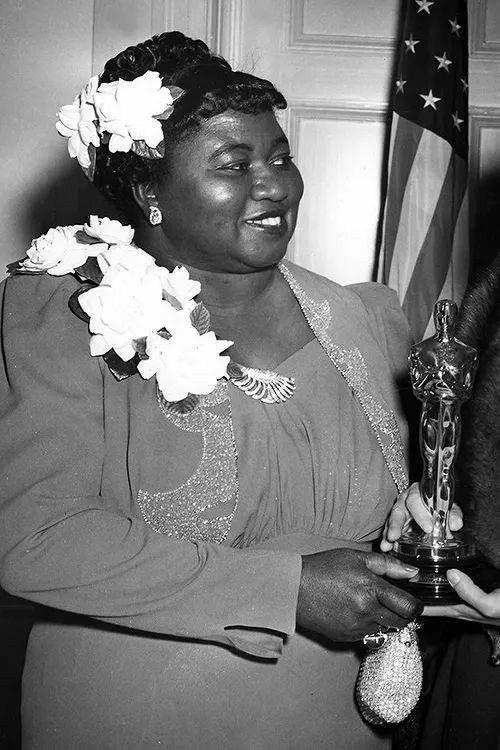
On February 29, 1940, a Black woman walked into the Coconut Grove nightclub at the Ambassador Hotel in Los Angeles. She was dressed elegantly. She was calm. But she was not allowed to sit with her co-stars.
Because of segregation rules, she was placed at a small table against the wall.
Later that night, her name was called.
Hattie McDaniel had just won an Academy Award for her role in Gone with the Wind.
She became the first Black person to win an Oscar.
And decades later, that Oscar would disappear.
The Night of the Win
McDaniel won Best Supporting Actress for playing Mammy in Gone with the Wind. The role itself was controversial. Some praised her performance. Others criticized the film for romanticizing slavery.
But the achievement was undeniable.
In 1940, Hollywood was rigidly segregated. Black actors were limited to servant roles. Leading roles were out of reach. Awards were unthinkable.
When McDaniel walked to the stage, she delivered a short, careful speech. She thanked the Academy and said she hoped to be “a credit to my race.”
She had to be perfect.
The industry was watching.
The Award Itself
The Oscar she received was not the tall gold statue familiar today. At the time, supporting actor winners were given a plaque version of the award, mounted on a base.
It was still official.
Still historic.
Still rare.
After her death in 1952, McDaniel’s Oscar did not remain with family permanently. It was eventually donated to Howard University, a historically Black university in Washington, D.C.
The decision made sense. Her award could inspire generations of Black students.
For a time, it did.
Then It Vanished
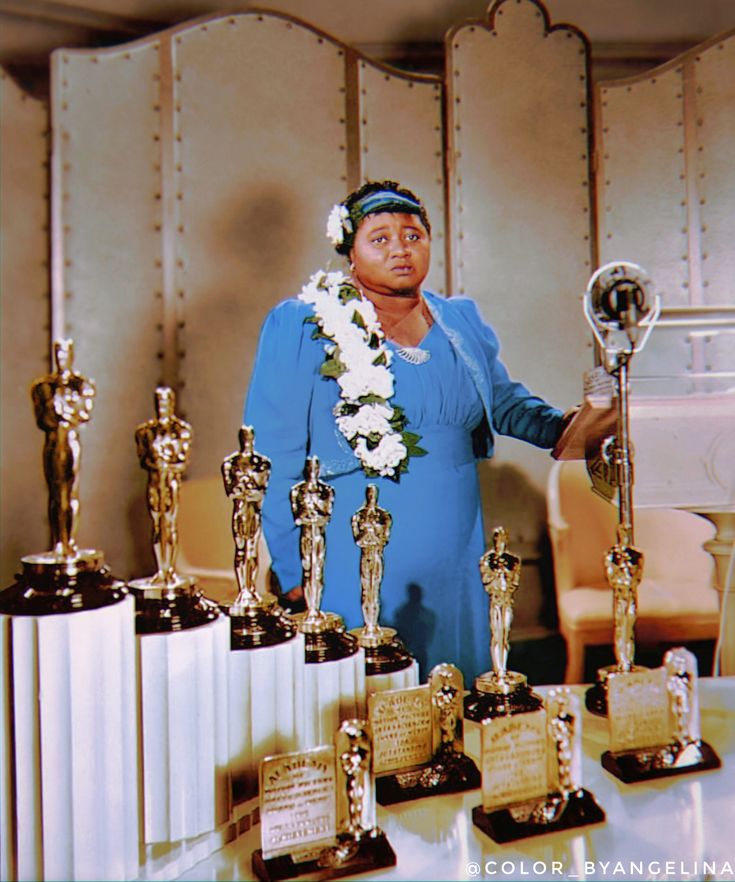
Sometime in the late 1960s or early 1970s, the Oscar disappeared from Howard University.
No official theft report clearly explains what happened. There are no confirmed police records that solve the mystery. There are no recovered pieces.
The award was simply gone.
Theories spread quickly.
Some believed it was stolen during student protests. Others speculated it was misplaced during campus renovations. Some feared it had been deliberately destroyed.
No one has been able to prove any version definitively.
A Painful Symbol
The disappearance felt symbolic.
The first Black Oscar winner had already faced segregation at her own ceremony. She was not allowed to sit with the cast of her film. She was praised publicly but excluded socially.
Now the physical symbol of that achievement was missing.
For many, it felt like history repeating itself.
Recognition given.
Then taken.
Why This Story Still Matters
Hattie McDaniel’s career was complicated. She defended her roles, arguing that working as a maid in films paid better than working as one in real life. Critics accused her of reinforcing stereotypes.
But none of that changes one fact:
She broke a barrier in 1940 that would stand for years.
After her win, no other Black actor received an Oscar until Sidney Poitier won in 1964.
Twenty-four years passed.
Her achievement was not just personal. It was structural.
Attempts to Replace the Oscar
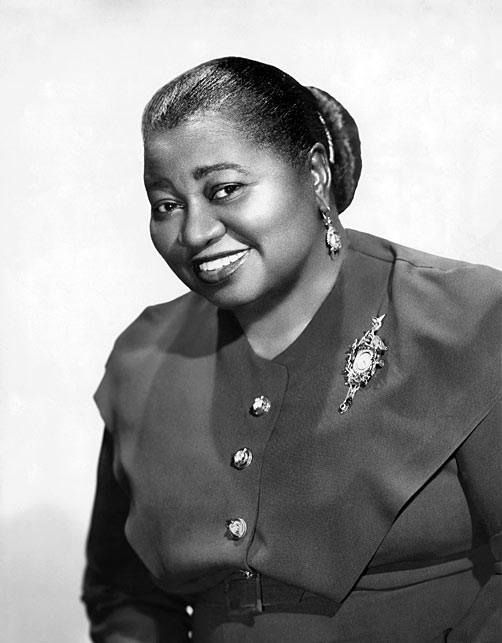
In 2023, the Academy of Motion Picture Arts and Sciences announced it would honor Hattie McDaniel again with a replacement Oscar plaque presented to Howard University.
It was a recognition of loss.
A recognition of oversight.
A recognition that history deserves restoration.
But the original award has never been found.
The Resolution
Hattie McDaniel did not lose her Oscar in the way headlines sometimes suggest. She did not misplace it. She did not give it away carelessly.
The award disappeared decades after her death.
What remains is her name, her victory, and the uncomfortable truth of that 1940 ceremony—where she made history in a room that did not fully accept her.
The trophy may be missing.
The barrier she broke is not.