
Introduction
Merida Industry Co., Ltd. stands as one of the world's most influential bicycle manufacturers, with a legacy spanning over four decades. From its humble beginnings in Taiwan to becoming a global powerhouse in the cycling industry, Merida has consistently pushed the boundaries of bicycle technology while maintaining a commitment to quality and innovation. This comprehensive examination explores the brand's fascinating history, groundbreaking technological achievements, market position, and its exceptional offerings for touring cyclists.
The Origins: From Small Workshop to Global Giant
The Merida story begins in 1972 in Yuanlin, Taiwan, when Ike Tseng founded the company with a clear vision: to create high-quality bicycles that could compete on the world stage. The name "Merida" was chosen for its pleasant sound and international appeal, though it also references the beautiful city in Mexico's Yucatan Peninsula.
In its early years, Merida operated primarily as an Original Equipment Manufacturer (OEM), producing bicycles for established Western brands. This strategy proved invaluable, as it allowed the company to learn international quality standards, manufacturing techniques, and design principles while building substantial production capacity. Throughout the 1970s and early 1980s, Merida quietly honed its expertise, investing heavily in manufacturing technology and skilled workforce development.
The pivotal moment came in 1988 when Merida made the strategic decision to launch its own branded bicycles for the international market. This transition from anonymous manufacturer to recognized brand required courage and significant investment in marketing, research and development, and distribution networks. The company's reputation for quality manufacturing, established through years of OEM work, provided a solid foundation for this ambitious expansion.
Growth and International Expansion
The 1990s marked a period of rapid growth for Merida. The company expanded its manufacturing capabilities significantly, opening new facilities and investing in cutting-edge production technology. By the mid-1990s, Merida had established itself as a serious player in the European and Asian markets, with growing recognition in North America.
A watershed moment occurred in 2001 when Merida acquired a significant stake in Specialized Bicycle Components, one of America's premier bicycle brands. This strategic partnership, though eventually dissolved, provided Merida with deeper insights into the premium bicycle market and Western consumer preferences. The relationship underscored Merida's manufacturing excellence and its ability to meet the exacting standards of high-end bicycle brands.
Throughout the 2000s, Merida continued its aggressive expansion strategy. The company established research and development centers in Germany and Taiwan, recruited world-class engineers and designers, and invested heavily in advanced materials research. By 2010, Merida had become one of the largest bicycle manufacturers globally, producing over two million bicycles annually across multiple categories.
Revolutionary Innovations and Technological Breakthroughs
Merida's commitment to innovation has resulted in numerous technological advances that have influenced the broader cycling industry. The company's substantial investment in research and development—reportedly allocating over 3% of annual revenue to R&D—has consistently yielded impressive results.
Frame Technology and Materials Science
One of Merida's most significant contributions has been in carbon fiber frame technology. The company was among the pioneers in developing affordable, high-performance carbon fiber bicycles for the mass market. Their proprietary CF (Carbon Fiber) frame construction system utilizes multiple carbon fiber grades strategically placed throughout the frame to optimize strength, stiffness, and weight. This approach, which Merida has refined over decades, allows for more nuanced performance characteristics than single-grade carbon construction.
The company's aluminum frame technology has also set industry standards. Merida developed several proprietary aluminum alloys and tube-shaping techniques that deliver exceptional strength-to-weight ratios. Their "Triple Butted" aluminum tubing, which varies wall thickness in three distinct zones, provides targeted reinforcement where stress concentrations occur while minimizing weight in low-stress areas.
Suspension Systems
In the mountain biking realm, Merida has introduced several innovative suspension designs. Their "Float Link" suspension system, developed for trail and enduro bikes, offers exceptional sensitivity to small bumps while maintaining excellent pedaling efficiency—a balance that has historically challenged suspension designers. The system's clever linkage design produces a suspension curve that resists brake jack and pedal-induced bobbing while remaining supple over rough terrain.
Aerodynamic Innovations
Merida's road racing division has made significant strides in aerodynamic optimization. Their Reacto platform, introduced in the early 2010s and continuously refined, represents one of the most aerodynamically efficient road bike designs available. Through extensive computational fluid dynamics analysis and wind tunnel testing, Merida engineers developed frame tube shapes, fork profiles, and component integration strategies that minimize drag while maintaining structural integrity and ride quality.
The company's approach to aerodynamics extends beyond frame shaping to include innovative cable routing systems, integrated cockpit designs, and even aerodynamically optimized paint finishes. These details, which might seem minor individually, combine to produce measurable performance advantages in real-world riding conditions.
E-Bike Technology
Recognizing the growing importance of electric-assisted bicycles, Merida has invested heavily in e-bike development. The company has developed proprietary motor integration systems that seamlessly blend drive units into frame designs, maintaining aesthetic appeal while optimizing weight distribution and handling characteristics. Their e-bike battery management systems incorporate sophisticated thermal regulation and power delivery algorithms that extend range and battery lifespan.
Market Position and Global Presence
Today, Merida ranks among the top bicycle manufacturers worldwide in terms of production volume and market reach. While precise market share figures vary by region and product category, industry analysts generally place Merida among the top five global bicycle brands by volume.
The company's market presence varies significantly across geographical regions. In Europe, particularly in Germany, the Netherlands, and Scandinavia, Merida has established a strong reputation in both the performance and touring segments. The brand is particularly well-regarded in the German-speaking markets, where Merida's German R&D facility and strong dealer network have cultivated brand loyalty.
In Asia, Merida dominates many markets, leveraging its Taiwanese heritage and extensive regional distribution networks. The brand is especially strong in Taiwan, China, and Southeast Asian countries, where it competes effectively across all price points and bicycle categories.
The North American market has proven more challenging for Merida, as established American brands maintain strong consumer loyalty. Nevertheless, Merida has gradually increased its presence through strategic dealer partnerships and sponsorship of cycling events and athletes. The company's competitive pricing strategy—offering high-specification bikes at lower price points than many competitors—has attracted value-conscious consumers in this market.
Merida's production capacity is genuinely impressive. The company operates multiple manufacturing facilities in Taiwan and mainland China, with combined annual capacity exceeding three million bicycles. This scale, combined with vertical integration of many component manufacturing processes, allows Merida to maintain competitive pricing while controlling quality.
Merida Bicycles for Touring: Excellence in Long-Distance Cycling
For touring cyclists—those intrepid souls who load their bicycles with gear and embark on multi-day or multi-month journeys—choosing the right bicycle is paramount. Merida offers several exceptional options specifically designed for the unique demands of bicycle touring.
The Merida Silex Series
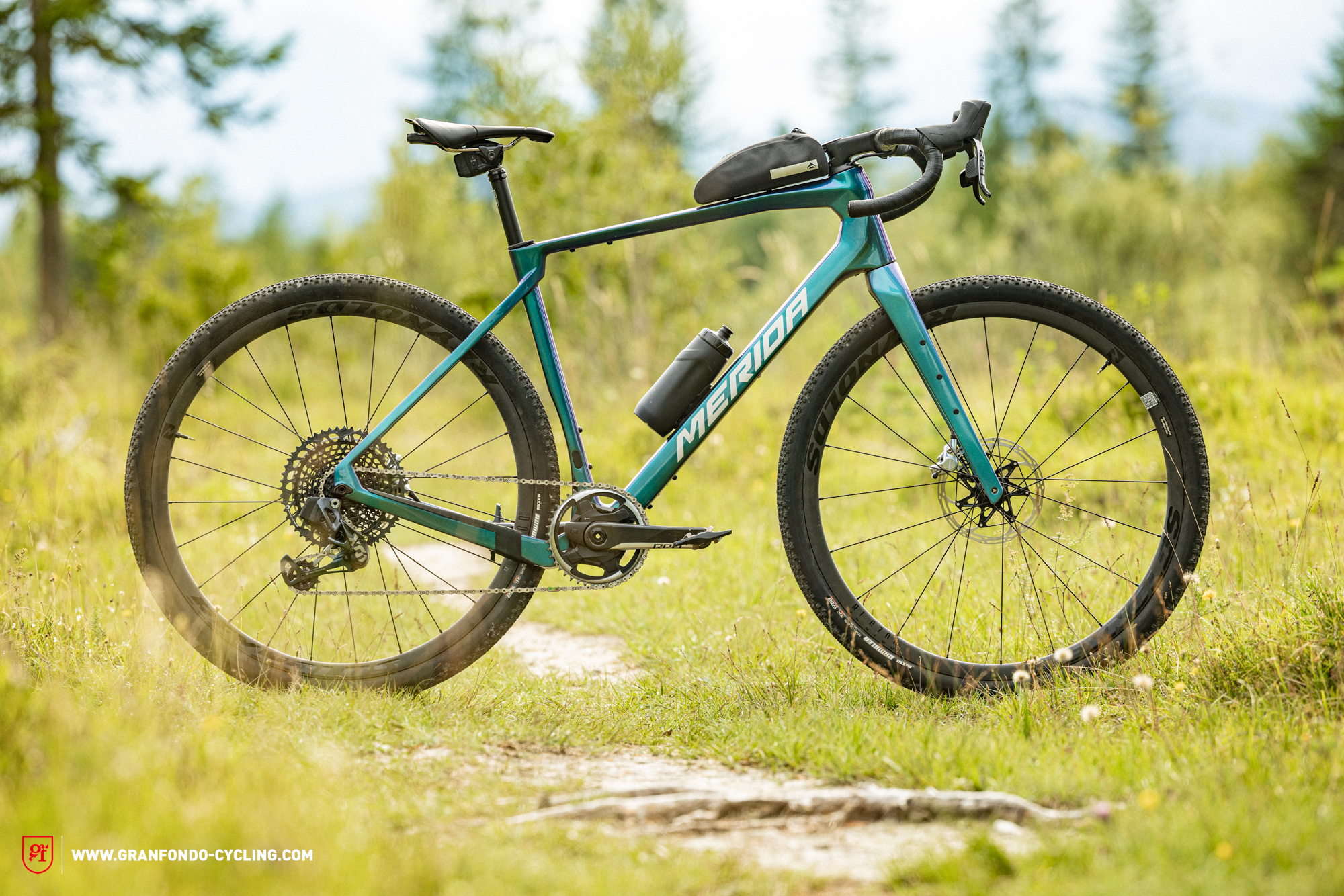
The Silex represents Merida's foray into the gravel and adventure cycling segment, but its versatility makes it an outstanding choice for touring. These bikes blur the boundaries between road cycling and off-road capability, perfectly suited for tourists who venture beyond paved roads.
The Silex features a carbon or aluminum frame with generous tire clearance—accommodating tires up to 45mm wide—providing versatility for various terrain types. The frame geometry balances stability with responsiveness, featuring a longer wheelbase and slacker head tube angle than traditional road bikes, enhancing stability when loaded with panniers.
Multiple mounting points for racks, fenders, and additional bottle cages make the Silex practical for self-supported touring. The bike's compliance-oriented frame design absorbs road vibration effectively, reducing fatigue during long days in the saddle. Many Silex models feature hydraulic disc brakes, providing reliable stopping power in all weather conditions—a crucial safety feature when descending mountain passes with a heavy load.
The Merida Mission Series
For tourists whose routes include significant off-road sections or who simply prefer the comfort and capability of a hardtail mountain bike, the Mission series offers compelling options. These bikes feature robust aluminum or carbon frames designed to withstand the rigors of loaded touring on challenging terrain.
The Mission's mountain bike geometry and suspension fork provide excellent comfort over rough roads and trails. Frame designers incorporated multiple rack and fender mounting points, recognizing that many riders use these bikes for bikepacking or supported touring. The wider tires—typically 2.1 to 2.4 inches—offer excellent traction and comfort while remaining efficient enough for long-distance pedaling.
The Merida Crossway Series
The Crossway represents Merida's trekking and urban cycling line, designed specifically for practical transportation and touring. These bikes embody the European trekking bike tradition, featuring upright riding positions, durable components, and comprehensive equipment for all-weather riding.
Crossway models typically come equipped with fenders, integrated lighting systems, rear racks, and kickstands—everything needed for practical touring straight from the shop. The aluminum frames feature relaxed geometry that prioritizes comfort and stability over aggressive performance. Wheel sizes vary across the range, with both 700c and 650b options available depending on the model and intended use.
The component specifications emphasize reliability and ease of maintenance over weight savings. Many Crossway models feature hub dynamos powering integrated lighting systems—an elegant solution for tourists who camp or ride in areas with limited charging infrastructure. The gearing systems typically offer wide range ratios with low climbing gears, essential for ascending steep grades with loaded panniers.
The Merida Scultura Endurance
For tourists who prefer the efficiency and speed of drop-bar road bikes but need the comfort and capability for long-distance loaded riding, the Scultura Endurance offers an excellent solution. This bike represents Merida's endurance road platform, featuring a more relaxed geometry than racing-oriented road bikes while maintaining impressive efficiency.
The Scultura Endurance balances compliance with responsiveness through carefully tuned carbon layup or aluminum tube shaping. The frame geometry features a taller head tube and shorter reach than racing bikes, reducing back and neck strain during extended rides. Tire clearance accommodates 32mm or wider tires depending on the specific model, providing comfort and puncture resistance for rough roads.
Many Scultura Endurance models include rack and fender mounting points, expanding their utility for touring. The disc brake versions offer superior stopping power and control when descending with heavy loads. The bike's efficient geometry means tourists can cover impressive daily distances without excessive fatigue.
Choosing the Right Merida Touring Bike
Selecting the optimal Merida bicycle for touring depends on several factors specific to individual touring styles and route choices:
Terrain Considerations: Tourists planning primarily paved road tours benefit from the efficiency of the Silex or Scultura Endurance. Those venturing onto gravel roads, dirt tracks, or technical trails should consider the Silex or Mission series, which offer greater tire clearance and more capable geometry.
Load Capacity: Self-supported tourists carrying full camping equipment, food, and water need bikes with robust frames, strong wheels, and multiple attachment points for racks and bags. The Crossway and certain Silex models excel in this application. Credit-card tourists staying in hotels can prioritize lighter, more efficient designs.
Distance and Duration: For ultra-long-distance tours spanning months or continents, prioritize reliability, comfort, and ease of service over performance metrics. The Crossway series, with its durable components and practical equipment, suits extended expeditions. Shorter tours might benefit from the lighter, more performance-oriented Silex or Scultura Endurance.
Personal Riding Style: Cyclists with racing or performance backgrounds often prefer the drop-bar position and efficient geometry of the Silex or Scultura Endurance. Those prioritizing comfort and practicality gravitate toward the upright position and comprehensive equipment of the Crossway. Mountain bikers may find the familiar geometry and controls of the Mission series most comfortable.
Notable Cyclists and Touring Enthusiasts
While Merida maintains significant presence in professional racing—sponsoring UCI WorldTour teams and individual athletes—the company's connection to the touring and adventure cycling community is less prominently advertised but nonetheless significant.
Merida's professional racing heritage includes sponsorship of teams like Bahrain-Merida (now Bahrain Victorious), which has featured prominent cyclists competing in the Tour de France, Giro d'Italia, and other prestigious events. However, these professional relationships focus on racing rather than touring applications.
In the touring and adventure cycling realm, Merida bicycles have been chosen by various long-distance cyclists and bikepacking enthusiasts, though the company hasn't cultivated celebrity ambassadors in this segment as aggressively as some competitors. This may reflect cultural differences in marketing approaches or strategic decisions about brand positioning.
Independent touring cyclists have documented successful long-distance journeys on various Merida models. Online touring communities and forums include numerous accounts of reliable service from Merida touring bikes across diverse conditions—from TransAmerica crossings to European tour routes to Asian epics. These grassroots endorsements, while less glamorous than celebrity sponsorships, arguably provide more relevant testimonials for prospective touring cyclists.
The growing bikepacking movement—which emphasizes lightweight, off-road touring—has embraced Merida's gravel and adventure bikes. The Silex series particularly appears frequently in bikepacking race reports and adventure cycling blogs, testament to its versatility and capability in demanding applications.
Manufacturing Excellence and Quality Control
Merida's reputation for quality stems from rigorous manufacturing processes and comprehensive quality control systems. The company maintains ISO 9001 certification and implements statistical process control throughout production. Each frame undergoes multiple inspections during manufacture, with critical joints and stress points receiving particular attention.
The company's testing protocols exceed industry standards. Frames undergo fatigue testing simulating years of real-world use, impact testing to verify structural integrity, and environmental testing to ensure paint and finish durability. This comprehensive approach minimizes warranty claims and ensures long-term reliability—particularly important for touring cyclists who may depend on their bicycles in remote locations far from technical support.
Merida's vertical integration extends to many component manufacturing processes, including aluminum extrusion, carbon fiber layup, frame welding, painting, and final assembly. This control over the production chain enables rapid quality feedback loops and consistent output quality across high production volumes.
Environmental Responsibility and Sustainability
Increasingly, bicycle manufacturers face scrutiny regarding environmental practices and sustainability. Merida has implemented various initiatives addressing these concerns, though like most large manufacturers, the company faces ongoing challenges in reducing its environmental footprint.
The company's Taiwanese facilities utilize solar power for portions of their energy requirements and have implemented water recycling systems to reduce consumption. Merida has also invested in more sustainable painting processes that reduce volatile organic compound emissions and has increased use of recycled materials in packaging.
The bicycle industry's fundamental contribution to sustainability—providing efficient, zero-emission transportation—represents its most significant environmental benefit. By producing millions of bicycles that displace automotive trips, Merida contributes meaningfully to reducing transportation-related carbon emissions globally.
Conclusion: Merida's Legacy and Future
Merida's journey from small Taiwanese workshop to global cycling powerhouse demonstrates the power of consistent focus on quality, innovation, and customer value. The company's substantial investments in research and development have yielded genuine technological advances benefiting cyclists across all disciplines and ability levels.
For touring cyclists specifically, Merida offers exceptional options across various touring styles and budgets. Whether seeking a nimble gravel bike for fast-paced adventure touring, a comfortable trekking bike for self-supported expedition touring, or an efficient endurance road bike for credit-card touring, Merida's lineup includes compelling choices.
The brand's combination of advanced technology, rigorous quality control, and competitive pricing creates remarkable value propositions. While Merida may lack the heritage cachet of some century-old European marques or the brand prestige of certain American companies, its bicycles consistently deliver reliable performance and innovative features at attractive price points.
As cycling continues growing globally—driven by increased environmental awareness, health consciousness, and urban transportation challenges—Merida is well-positioned to expand its market presence. The company's substantial manufacturing capacity, proven innovation capabilities, and established distribution networks provide strong foundations for future growth.
For the touring cyclist planning their next adventure, whether a weekend exploration of local gravel roads or a transcontinental expedition, Merida deserves serious consideration. The brand's touring-specific models combine practical features, durable construction, and proven reliability—exactly what long-distance cyclists need when the next town is fifty miles away and the road ahead is uncertain.