
In the world of cycling technology, few brands command as much respect and market presence as Garmin. From weekend warriors to professional cyclists competing in the Tour de France, Garmin's cycling computers and accessories have become an integral part of the modern cycling experience. This comprehensive guide explores everything you need to know about Garmin's cycling ecosystem, with a particular focus on bike touring applications.
About Garmin: A Legacy of Innovation
Founded in 1989 by Gary Burrell and Min Kao, Garmin began as a GPS technology company primarily focused on marine and aviation applications. The company's name cleverly combines the founders' first names, and over the decades, Garmin has evolved into a global leader in GPS navigation, wearable technology, and outdoor recreation devices.
Garmin's entry into the cycling market came naturally as GPS technology became more accessible and cyclists began demanding more sophisticated training and navigation tools. Today, the company holds a dominant position in the cycling computer market, competing primarily with brands like Wahoo, Sigma, and Polar, while consistently pushing the boundaries of what's possible in cycling technology.
The Kansas-based company has built its reputation on reliability, accuracy, and innovation. With over 19,000 employees worldwide and annual revenues exceeding $5 billion, Garmin continues to invest heavily in research and development, ensuring their cycling products remain at the forefront of technology.
Garmin's Cycling Computer Lineup: From Entry-Level to Professional
Edge Series Overview
Garmin's Edge series represents the company's flagship cycling computer line, offering models tailored to different types of cyclists and budgets. The current lineup spans from the budget-friendly Edge 130 Plus to the feature-packed Edge 1050, each designed to meet specific cycling needs and preferences.
Entry-Level Options
Edge 130 Plus ($199.99) The Edge 130 Plus serves as Garmin's entry point into GPS cycling computers. Despite its compact 1.8-inch display, this device packs impressive functionality including GPS tracking, basic navigation, and compatibility with ANT+ sensors. For bike touring, the 130 Plus offers up to 12 hours of battery life and can display turn-by-turn directions, making it suitable for casual touring adventures.
Edge 540 ($349.99) Positioned as a mid-range option, the Edge 540 features a 2.6-inch color display and enhanced navigation capabilities. It includes ClimbPro, which provides real-time information about upcoming climbs – a valuable feature for touring cyclists tackling challenging terrain. The device offers up to 26 hours of battery life in GPS mode, making it suitable for longer touring days.
Mid-Range and Premium Models
Edge 840 ($449.99) The Edge 840 represents the sweet spot for many serious cyclists and touring enthusiasts. It features the same 2.6-inch display as the 540 but adds touchscreen functionality and enhanced connectivity options. The device includes multi-band GNSS support for improved accuracy in challenging environments, crucial for touring in remote areas or dense forests.
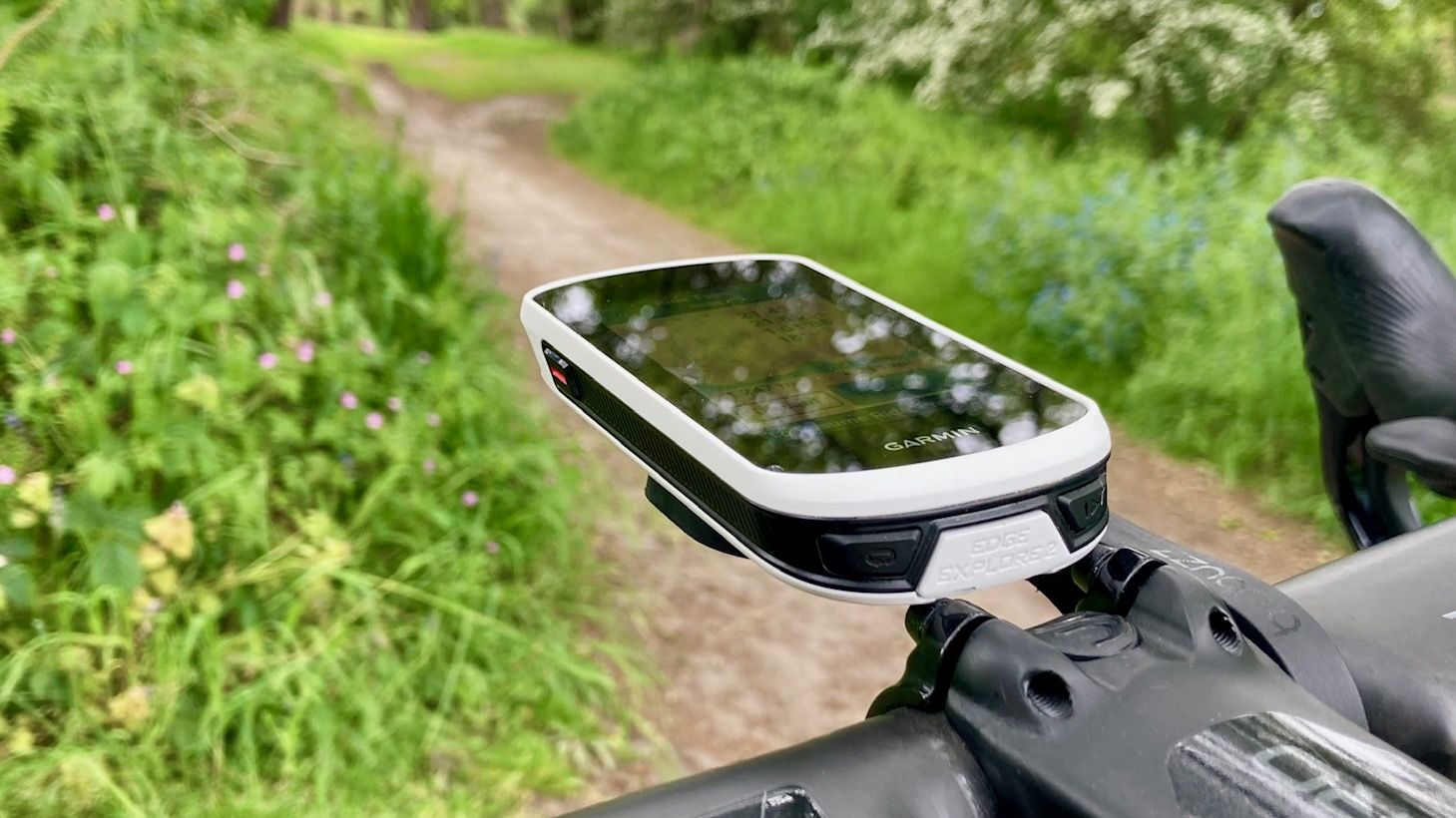
Edge Explore 2 ($299.99) The Edge Explore 2 fills an important niche as Garmin's navigation-focused cycling computer designed specifically for recreational cyclists and touring enthusiasts. Featuring a bright 3-inch touchscreen display and up to 24 hours of battery life, this device prioritizes ease of use and mapping capabilities over advanced training metrics. The Explore 2 includes free downloadable global cycle maps, ClimbPro feature, barometric altimeter, and expanded sensor support including power meters and eBike compatibility. For bike touring, this computer excels with its large, clear display that remains readable in various lighting conditions, comprehensive navigation features, and simplified interface that won't overwhelm casual cyclists.
Edge 1040 Solar ($599.99) The Edge 1040 Solar stands out as Garmin's most innovative cycling computer, featuring Power Glass solar charging technology that extends battery life significantly. With a 3.5-inch display and solar charging capabilities, this device can achieve up to 100 hours of battery life in battery saver mode with solar charging, making it ideal for ultra-distance touring and bikepacking adventures where charging opportunities are limited. The solar panel is integrated seamlessly into the display, maintaining durability while providing sustainable power generation during daylight hours.
Edge 1050 ($699.99) At the top of the range, the Edge 1050 boasts a large 3.5-inch touchscreen display that's easily readable even in bright sunlight. This premium model includes advanced features like on-device workout suggestions, detailed performance analytics, and superior mapping capabilities. For bike touring, the 1050's large screen makes route following significantly easier, while its robust build quality ensures reliability in harsh conditions.
Key Features for Bike Touring
Navigation and Mapping
One of Garmin's strongest advantages lies in its mapping and navigation capabilities. All Edge devices come preloaded with detailed maps, and higher-end models include features specifically beneficial for bike touring:
Turn-by-Turn Navigation: Clear visual and audio cues help cyclists stay on route without constantly checking the device. This is particularly valuable when navigating unfamiliar territories during multi-day tours.
Popularity Routing: Garmin's routing algorithm considers data from millions of cyclists to suggest the most popular and presumably safest routes. This feature helps touring cyclists discover scenic roads and avoid heavy traffic areas.
ClimbPro: This feature provides detailed information about upcoming climbs, including gradient, distance, and elevation gain. For touring cyclists, this information is invaluable for pacing and planning rest stops.
Off-Course Alerts: When cyclists deviate from their planned route, the device provides alerts and automatic rerouting suggestions, ensuring they don't get lost in unfamiliar territory.
Solar Charging Technology
One of Garmin's most significant recent innovations is the integration of Power Glass solar charging technology, first introduced in the Edge 1040 Solar. This technology uses a transparent solar panel integrated directly into the device display, allowing for continuous charging during daylight hours without compromising screen visibility or device durability.
The solar charging capability is particularly revolutionary for bike touring applications. During a typical touring day with 6-8 hours of sunlight exposure, the Edge 1040 Solar can extend its battery life by 75-100%, effectively eliminating range anxiety for most touring scenarios. This technology represents a significant step toward truly self-sufficient cycling computers, reducing dependency on external charging sources during multi-day adventures.
Battery Life and Power Management
Edge 130 Plus: Up to 12 hours of GPS use
Edge 540: Up to 26 hours in GPS mode, 42 hours in battery saver mode
Edge 840: Up to 26 hours in GPS mode, 42 hours in battery saver mode
Edge Explore 2: Up to 16 hours in demanding use, 24 hours in battery saver mode
Edge 1040 Solar: Up to 35 hours in GPS mode, 100 hours in battery saver mode with solar charging
Edge 1050: Up to 20 hours in GPS mode, 60 hours in battery saver mode
The battery saver modes are particularly useful for multi-day touring, as they reduce screen brightness and GPS polling frequency while maintaining essential tracking functions.
Weather Integration
Modern Garmin Edge devices can display real-time weather information when connected to a smartphone. This feature helps touring cyclists make informed decisions about route changes, shelter needs, and clothing adjustments based on incoming weather conditions.
Essential Accessories for Cycling and Touring
Power Meters
Garmin offers several power meter options that integrate seamlessly with their cycling computers:
Rally Pedal Power Meters ($999.99 - $1,199.99) Available in single-sided (Rally RS100) and dual-sided (Rally RS200) versions, these pedal-based power meters offer accuracy within ±1.5%. For touring cyclists interested in training data, the Rally pedals provide consistent power measurement regardless of bike changes.
Vector 3 Pedals (Discontinued but available) While no longer in production, Vector 3 pedals remain popular in the used market and offer similar functionality to Rally pedals.
Heart Rate Monitors
HRM-Dual ($69.99) This basic chest strap heart rate monitor provides accurate heart rate data via both ANT+ and Bluetooth connections. For touring cyclists monitoring their effort levels, the HRM-Dual offers reliable performance with excellent battery life.
HRM-Pro Plus ($129.99) The premium heart rate monitor includes additional metrics like running dynamics and can store data when not connected to a device. While primarily designed for runners, touring cyclists who also run will appreciate the versatility.
Speed and Cadence Sensors
Speed Sensor 2 and Cadence Sensor 2 ($39.99 each) These compact sensors attach to the bike's wheel hub and crank arm respectively, providing accurate speed and cadence data even when GPS signal is poor. For touring cyclists riding through tunnels or dense forest canopies, these sensors ensure continuous data collection.
Handheld GPS Units for Adventure Cycling
GPSMAP 67i ($599.99) While not specifically a cycling computer, the GPSMAP 67i deserves mention for adventure cyclists and bikepackers who venture into truly remote areas. This rugged handheld GPS features two-way satellite messaging via the Iridium network, allowing cyclists to send messages and request emergency assistance even when completely outside cellular coverage. The device includes preloaded topographic maps, a three-axis compass, and barometric altimeter, making it an excellent backup navigation device for serious touring cyclists.
eTrex 32x ($199.99) The eTrex 32x offers a more budget-friendly handheld option for cyclists who need reliable GPS navigation without the advanced features of cycling-specific computers. While it lacks the seamless integration with cycling sensors, its rugged construction and 25-hour battery life make it suitable for long-distance touring where simplicity and reliability are paramount.
Handheld GPS Units for Adventure Cycling
GPSMAP 67i ($599.99) While not specifically a cycling computer, the GPSMAP 67i deserves mention for adventure cyclists and bikepackers who venture into truly remote areas. This rugged handheld GPS features two-way satellite messaging via the Iridium network, allowing cyclists to send messages and request emergency assistance even when completely outside cellular coverage. The device includes preloaded topographic maps, a three-axis compass, and barometric altimeter, making it an excellent backup navigation device for serious touring cyclists.
eTrex 32x ($199.99) The eTrex 32x offers a more budget-friendly handheld option for cyclists who need reliable GPS navigation without the advanced features of cycling-specific computers. While it lacks the seamless integration with cycling sensors, its rugged construction and 25-hour battery life make it suitable for long-distance touring where simplicity and reliability are paramount.
inReach Explorer 2 ($449.99) The inReach Explorer 2 combines GPS navigation with two-way satellite communication capabilities, making it an essential safety device for solo touring cyclists or those venturing into remote wilderness areas. The device can send and receive text messages, share location updates, and trigger SOS alerts via satellite network, providing peace of mind for family members and ensuring help can be summoned in emergency situations. While primarily a communication device, it includes basic mapping and navigation features that complement a primary cycling computer.
Varia RTL515 Rear Light with Radar ($199.99) This innovative device combines a bright rear light with radar technology that detects approaching vehicles from up to 140 meters away. For touring cyclists on busy roads, the Varia provides an extra layer of safety by alerting them to traffic they might not otherwise notice.
Varia UT800 Front Light ($149.99) This powerful front light integrates with Garmin Edge devices, automatically adjusting brightness based on ambient light conditions and remaining battery life on the cycling computer.
Mounts and Protection
Out-Front Mounts ($24.99 - $49.99) Various mounting options allow cyclists to position their Edge device optimally for visibility and aerodynamics. For touring, the standard out-front mount provides excellent visibility while keeping the device secure over rough terrain.
Protective Cases While not manufactured by Garmin, numerous third-party protective cases and screen protectors are available to protect Edge devices from impacts and weather during demanding touring conditions.
Advantages Over Competitors
Ecosystem Integration
Garmin's greatest strength lies in the seamless integration between devices and services. Edge computers work flawlessly with Garmin watches, power meters, lights, and other accessories, creating a comprehensive ecosystem that competitors struggle to match.
Mapping Quality and Coverage
Garmin's mapping database is arguably the most comprehensive in the cycling computer market. The company invests heavily in map updates and routing algorithms, providing superior navigation experiences compared to competitors like Wahoo or Polar.
Battery Life
Recent Garmin Edge devices offer exceptional battery life, often exceeding competitor offerings by significant margins. This advantage is particularly important for touring cyclists undertaking multi-day adventures.
Build Quality and Reliability
Garmin devices are renowned for their durability and weather resistance. The IPX7 rating on most Edge devices ensures they can withstand heavy rain and harsh conditions commonly encountered during bike touring.
Third-Party App Support
The Connect IQ platform allows developers to create custom apps, watch faces, and data fields for Garmin devices. This extensibility means cyclists can customize their devices to meet specific needs, something not available with many competitors.
Drawbacks and Limitations
Price Point
Garmin's premium positioning means their devices often cost significantly more than comparable offerings from competitors. For budget-conscious cyclists, brands like Wahoo or Sigma may offer better value propositions.
Complexity
The extensive feature sets of modern Garmin Edge devices can be overwhelming for casual cyclists. The learning curve for mastering all available functions can be steep, potentially frustrating users who want simple, straightforward operation.
Touchscreen Performance
While touchscreen functionality adds convenience, it can be problematic in wet conditions or when wearing thick gloves. Some cyclists prefer the button-only operation offered by certain Wahoo models.
Software Updates
Garmin's frequent software updates, while generally beneficial, can occasionally introduce bugs or change familiar interfaces. Some users report frustration with learning new interfaces after updates.
Subscription Services
Many advanced features, including detailed maps for certain regions and premium training analytics, require Garmin Connect IQ Pro subscriptions, adding ongoing costs to the initial device purchase.
Pricing Structure and Value Proposition
Garmin's pricing strategy positions their products in the premium segment of the cycling computer market. Current pricing (as of 2024) includes:
Entry Level: $199.99 - $349.99 (Edge 130 Plus, Edge 540, Edge Explore 2) Mid-Range: $449.99 - $599.99 (Edge 840, Edge 1040 Solar) Premium: $699.99+ (Edge 1050) Handheld/Communication: $199.99 - $599.99 (eTrex 32x, inReach Explorer 2, GPSMAP 67i)
When considering total cost of ownership, cyclists should factor in potential accessory purchases:
Heart rate monitor: $69.99 - $129.99
Speed/cadence sensors: $79.98 (pair)
Radar tail light: $199.99
Power meter: $999.99 - $1,199.99
While the initial investment is substantial, Garmin devices typically retain their value well and offer exceptional longevity, often lasting 4-6 years with regular use.
Where to Purchase
Official Channels
Garmin.com: The official website offers the complete product lineup with full warranty coverage and customer support. Regular promotions and bundles can provide significant savings.
Garmin Brand Stores: Physical locations in major cities provide hands-on experience with devices before purchase.
Retail Partners
Specialized Bike Shops: Local bike shops often carry Garmin products and can provide installation services and ongoing support.
Online Retailers: Amazon, REI, Competitive Cyclist, and other online retailers frequently offer competitive pricing and customer reviews.
Big Box Retailers: Best Buy, Dick's Sporting Goods, and similar stores carry popular models, though selection may be limited.
International Availability
Garmin products are available globally through authorized dealers and distributors. However, map coverage and specific features may vary by region, particularly for less common geographic areas.
Recommendations for Different Touring Styles
Casual Day Touring
For cyclists planning day trips and short overnight tours, the Edge Explore 2 represents excellent value for navigation-focused cycling. With its 3-inch bright touchscreen display and up to 24 hours of battery life, this computer prioritizes ease of use and comprehensive mapping over complex training metrics. The simplified interface and pre-loaded global maps make it ideal for recreational cyclists who want reliable navigation without overwhelming complexity.
Multi-Day Touring
Serious touring cyclists undertaking week-long or longer adventures should consider the Edge 1050. The large display makes route following easier during long days in the saddle, while the extended battery life in power-save mode can stretch to multiple days between charges.
Ultra-Distance and Remote Area Touring
For cyclists planning extremely long-distance tours, transcontinental adventures, or routes through remote wilderness areas, the Edge 1040 Solar combined with the inReach Explorer 2 provides the ultimate setup. The solar charging capability of the 1040 Solar ensures continuous operation during long days in the saddle, while the inReach Explorer 2 provides emergency communication capabilities and peace of mind for solo adventurers. This combination addresses both navigation needs and safety concerns for the most demanding touring scenarios.
Bikepacking and Adventure Cycling
For off-road touring and bikepacking, the Edge 840 provides the best combination of navigation features, durability, and battery life. The multi-band GNSS ensures accurate positioning in challenging environments, while the robust build quality withstands harsh conditions.
Future Considerations
Garmin continues to innovate in the cycling computer space, with recent developments focusing on improved user interfaces, enhanced connectivity, and longer battery life. The successful implementation of solar charging technology in the Edge 1040 Solar demonstrates the company's commitment to addressing touring cyclists' primary concerns about power management.
Additionally, Garmin's expanding partnerships with bike manufacturers for integrated solutions suggest a future where cycling computers become even more seamlessly integrated into the overall bike design. The company's investment in satellite communication technology, as seen in the Explorer 2 and GPSMAP series, indicates a growing focus on safety and connectivity for adventure cyclists venturing into remote areas.
Conclusion
Garmin's cycling computers and accessories represent a significant investment for most cyclists, but they offer unmatched functionality, reliability, and integration for serious riders and touring enthusiasts. While the initial cost may be substantial, the long-term value proposition, combined with the company's track record of supporting products with regular updates and improvements, makes Garmin devices a sound investment for cyclists committed to technology-enhanced riding experiences.
For bike touring specifically, Garmin's superior mapping capabilities, extended battery life, and robust ecosystem of compatible accessories create compelling advantages over competitors. However, cyclists should carefully consider their specific needs, technical comfort level, and budget before committing to the Garmin ecosystem.
Whether embarking on a weekend ride through local countryside or planning a month-long transcontinental adventure, Garmin's cycling computers provide the tools necessary to navigate confidently, track progress accurately, and enhance the overall cycling experience. The key lies in selecting the right combination of devices and accessories to match individual touring styles and requirements.