

I know of a woman who at 30-some weeks of pregnancy started with high blood pressure. I suggested to her that she increase her protein intake and other high nutrition foods and that she start drinking electrolytes. Her reply was more or less, “Well, my doctor said to avoid salt, and protein is too hard to eat.”
Fast forward to 38 weeks and her blood pressure had only gone up. The doctor told her that the baby needed to be born. She was not dilated at all, so he told her an induction would probably be ineffective, and the baby was born via a scheduled C-section. The baby didn’t gain weight well (probably partly due to being early and partly due to the circumstances surrounding the C-section), so she started feeding him formula.
A week later, she went to the ER because she was having trouble breathing and didn’t feel well. Turns out that she had postpartum preeclampsia and her organs were shutting down. She was an extremely sick woman that should have been treated much sooner, but she did not know what symptoms to look for. She recovered, but her heart is irreparably damaged and she was told not to have any more children (this was her first baby). I hurt for this woman because her experience probably could have been so different. If only she had gotten some better nutrition and prenatal teaching!
Wait… it’s that simple? Preeclampsia is a nutritional problem?
In this article, I’m going to break it all down for you.
What is preeclampsia?
Preeclampsia is a very serious problem in pregnancy, and I’m not trying to make light of it at all. But I do think it can be avoided in many, many situations! The rate of preeclampsia has increased 25% over the last 20 years, which makes me think it may be something related to our American lifestyle… diet perhaps?
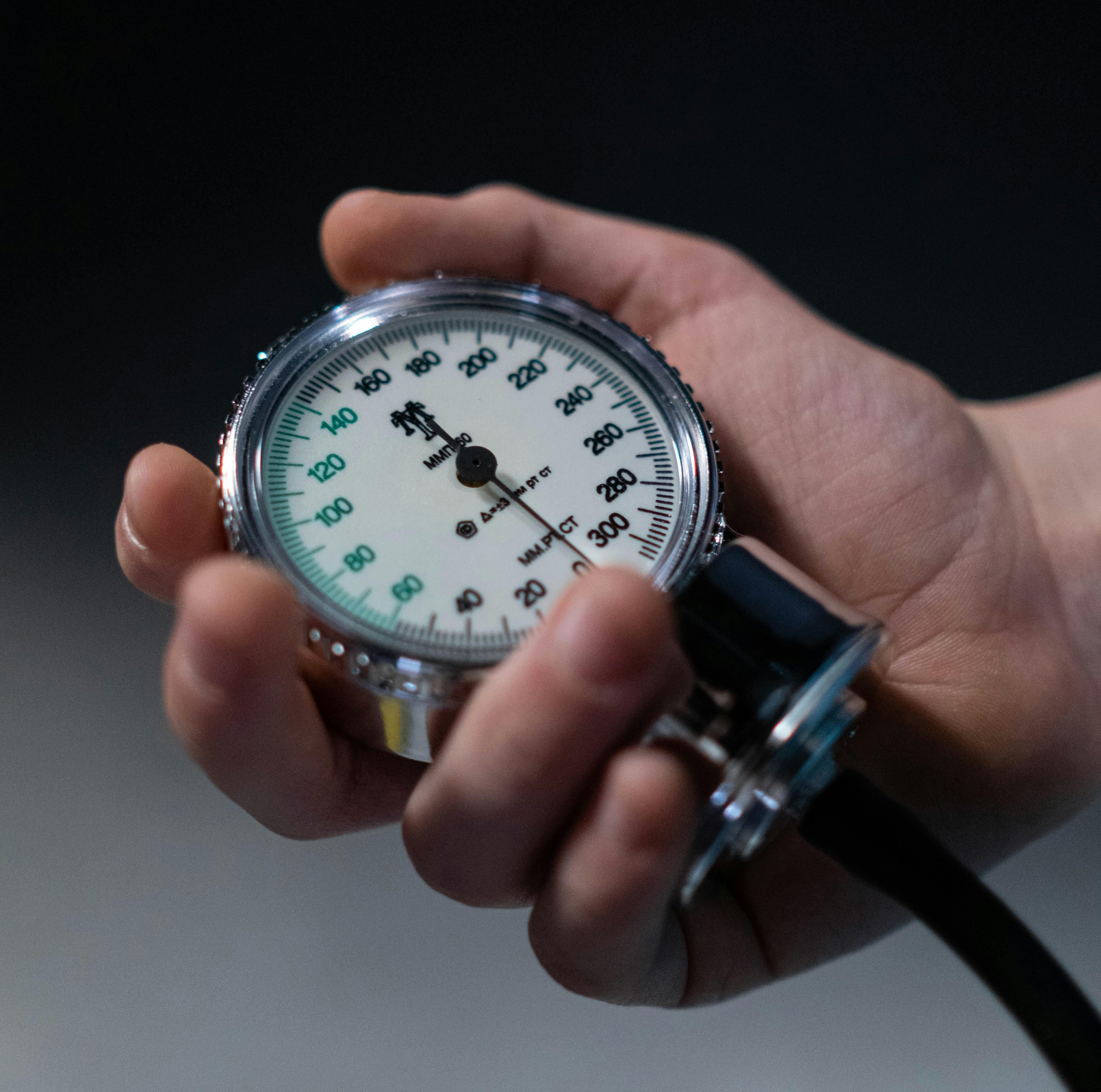
Many times a woman with high blood pressure is told that she’s going to develop preeclampsia, but preeclampsia is more than high blood pressure (gestational hypertension). Its other symptoms include swelling, particularly in the face; abnormal headaches or visual disturbances; abdominal pain or nausea; protein in the urine (an indication of kidney damage); fluid in the lungs; and a general feeling of being unwell.
If left untreated, preeclampsia progresses to eclampsia, which can result in seizures, organ shutdown, and even in mother and/or infant death. Or in about 15% of preeclampsia cases, it can become HELLP syndrome (Hemolysis, Elevated Liver enzymes and Low Platelets), another very serious problem. Note that you can get HELLP syndrome without having high blood pressure or protein in the urine, which are the two things that most doctors are looking for. If you don’t feel right and suspect you’re starting with HELLP syndrome, insist on getting blood work!
The treatment for preeclampsia? Delivering the baby. (Although that actually doesn’t always work - see the section on postpartum preeclampsia below.) Preeclampsia is more common in first-time moms. The risk is also higher with advanced age and gestational diabetes, which has led many doctors to recommend that all women 35 and older take baby aspirin during their pregnancy.
What, baby aspirin?
Yes! A shocking number of women are now being told to take a low dose (81 mg) of aspirin daily starting in the second trimester to help avoid high blood pressure and preeclampsia. While that may be the right decision for some people, I find this advice very worrisome. Having seen the recent panic over prenatal Tylenol use causing autism, I have to wonder what prenatal exposure to aspirin is doing. And studies have only reported a 2-5% reduction in preeclampsia cases among the women who took aspirin. But my biggest concern with aspirin is that it’s not fixing the root issue of preeclampsia. Even though it may help some women to avoid preeclampsia, it’s not giving the mothers any greater nutrition! Neither is the common idea that salt needs to be avoided.
Why is low-salt recommended for preeclampsia?
This is one of my biggest pet peeves on this topic. Doctors started recommending low-salt diets for pregnant women back in the 1950s, and it is not evidence-based but continues to be told to nearly every pregnant woman.
You need salt to balance the fluids in your body, which can avoid swelling and high blood pressure! It’s not sodium that raises your blood pressure, it’s the other junk that is found in processed foods (which happen to be almost always also high in salt, which is why salt may have gotten the blame). Consuming sodium and other electrolytes (such as magnesium and potassium) together is ideal. I drank electrolytes throughout both my pregnancies and had no swelling at all (not even what’s considered “normal” swelling of the feet/ankles), and my blood pressure was perfect the entire time as well. It could be that I’m not prone to swelling and high blood pressure, but I definitely give the electrolytes some credit! You can find my favorite electrolytes here and get a free sample pack.
Protein and Preeclampsia Prevention
Have you heard of the Brewer Diet? Dr. Brewer felt that protein intake affected preeclampsia and recommended that pregnant women get extra protein, as well as healthier foods in general. The results with his patients were astounding. His studies were criticized because they were not double-blind studies; but how can you justify withholding nutritious food from pregnant women?
Ina May Gaskin also had an extraordinarily low rate of preeclampsia because her women followed a nutritious diet. Many of them were vegetarian which means they were getting lots of fruits and vegetables, which are a perfect source of vitamins and minerals. It can be hard to get enough protein from a vegetarian diet, which is why I don’t recommend this, but the bottom line is – don’t skimp on your fruits, vegetables, legumes, and whole grains!
With both my pregnancies I ate cheese, cheese, and more cheese since meat was not appetizing to me and I also struggled with eggs. I was often able to get 80 or more grams of protein a day without eating meat (80-100 grams per day is optimal for preeclampsia prevention, but of course your weight and activity level will affect it as well.).
More on nutrition…
Nobody seems to know exactly what causes preeclampsia, but the theory thrown around most often seems to be that it’s because of placenta development issues. Could it be that adequate nutrition would help the placenta develop properly and avoid these issues?
Studies have shown that adequate calcium, vitamin D, and iron significantly reduces the risk of preeclampsia. We’re back to nutrition again, surprise! One study showed that vitamin D supplementation was associated with a 38% reduced risk of preeclampsia. Remember how I said that aspirin reduces the risk by 2-5%? Why are we taking aspirin instead of eating vitamin D-rich foods and getting sunlight?
Another study shows that eating ultra-processed foods and added sugars increase your risk of preeclampsia by 28%. On the contrary, eating lots of fruits and vegetables and whole grains, legumes, and fish was shown to reduce it by 22%.
Postpartum Preeclampsia
While not as commonly talked about, postpartum preeclampsia is also a very serious problem. Most women who deliver in a hospital are discharged after a day or two and don’t see their doctor again till the 6 week checkup. There are many issues with this model of care, but one is maternal mortality, which is higher in the United States than in many developed countries. After birth women can develop high blood pressure or other problems and may miss it because they’re so busy caring for their baby and don’t know what’s normal for them to be feeling. This is what happened to the woman whose story I told at the beginning. Please, don’t make this mistake!
If you are being cared for by a midwife, she will probably come check you several times in the first few weeks, including checking your blood pressure. Regardless, make sure you know what symptoms are concerning, and if you notice swelling, can’t get your breath, or simply don’t feel well, don’t think it’s normal. It’s possible to have had perfect blood pressure during pregnancy only to develop preeclampsia after the fact. Most of the time it appears within the first week, but it can take up to six weeks to happen.
 Be sure to leave a comment below if you have one! I'd love to hear from you!
Copyright 2025 by Abigail L. Ringger. This post contains affiliate links. Thanks for your support!