

In the realm of education, one size does not fit all, especially when it comes to special education. Students with special educational needs require personalized approaches that cater to their unique learning styles, abilities, and challenges. Enter Artificial Intelligence (AI), a revolutionary force poised to transform special education through adaptive learning environments. This blog explores how AI-powered platforms are crafting personalized learning experiences, highlighting the synergy with AI chatbot development services, generative AI in healthcare, and personalized learning strategies, to provide a comprehensive view of AI's transformative role in special education.
Personalized Learning: A Cornerstone of Special Education
AI's ability to personalize learning content according to individual needs is particularly beneficial in special education. By analyzing data on students' learning behaviors, AI algorithms can tailor educational content, pace, and teaching methods to fit each student's unique requirements. This personalized approach ensures that students with special educational needs receive the attention and support they need to thrive, making learning more accessible, engaging, and effective.
Adaptive Learning Technologies
Adaptive learning technologies powered by AI are leading the way in creating dynamic educational environments that respond to the needs of special education students in real-time. These technologies adjust the difficulty level, type of content, and instructional strategies based on ongoing assessments of the student's performance and engagement. By providing a customized learning journey, adaptive learning technologies help overcome the barriers that students with special needs might face in traditional learning settings.
AI Chatbots: Interactive Learning Companions
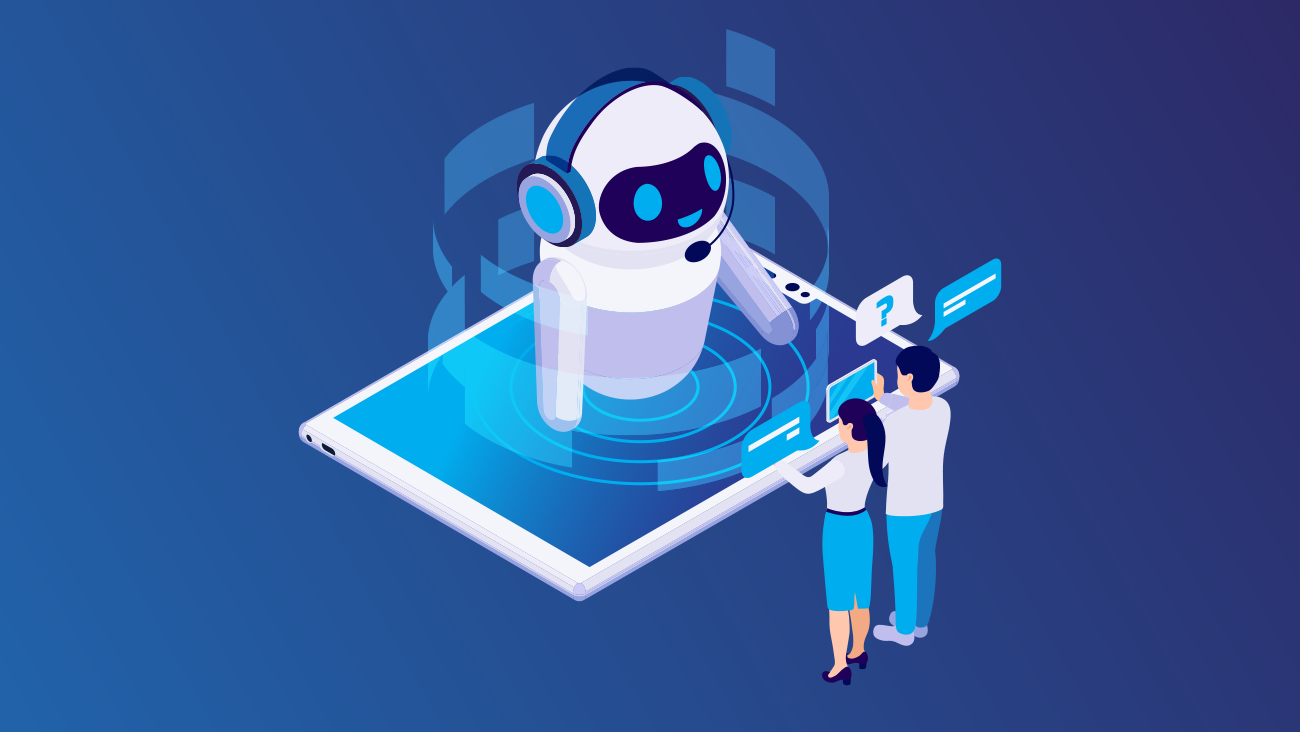
AI chatbot development services are extending their reach into the educational sector, creating interactive chatbots that serve as learning companions for students with special needs. These AI chatbots can engage students in dialogues, answer their queries, and provide instant feedback, making learning more interactive and less intimidating. The conversational nature of these chatbots can be particularly beneficial for students who require repeated practice or who thrive in a one-on-one learning environment.
Generative AI: Creating Diverse Educational Content
Generative AI, similar to its applications in healthcare, is being utilized to create a wide range of educational content tailored to the diverse needs of special education students. From interactive exercises and simulations to engaging storytelling, generative AI can produce content that not only educates but also motivates and inspires. This ability to generate varied and customized learning materials can address the multifaceted needs of students, providing them with a richer and more diverse learning experience.
Enhancing Engagement with Interactive and Immersive Learning
AI-powered learning environments are not just personalized; they're also designed to be interactive and immersive, which is crucial for maintaining the engagement of students with special educational needs. Through interactive games, virtual reality (VR), and augmented reality (AR) experiences, AI makes learning more tactile and experiential. This hands-on approach helps to solidify learning concepts, making education both enjoyable and effective.
Overcoming Challenges in Special Education
AI-powered adaptive learning environments address several challenges in special education, including the shortage of specialized staff and resources. By providing scalable and customizable AI-driven solutions, schools can offer more targeted and effective support to students with special needs. Furthermore, AI can assist in monitoring student progress and predicting potential learning difficulties, enabling early intervention and support.
The Future of Special Education with AI
As AI technology continues to advance, its potential to transform special education grows. Future developments may include even more sophisticated adaptive learning platforms that can cater to a broader range of special educational needs, as well as the integration of emotional AI to respond to students' emotional states and enhance social learning. The future of special education with AI is one where every student has the tools and support they need to reach their full potential.
Empowering Educators with AI Insights
AI doesn't just directly benefit students; it's also a powerful tool for educators, especially in special education settings. By providing detailed insights into each student's learning patterns, progress, and challenges, AI empowers teachers to make informed decisions about their teaching strategies. This data-driven approach ensures that interventions are timely, targeted, and effective, maximizing educational outcomes for students with special needs. The integration of AI into educational platforms transforms the role of educators from mere deliverers of content to facilitators of personalized learning experiences.
Bridging Communication Gaps with AI Chatbots
AI chatbot development services are playing a crucial role in bridging communication gaps, particularly for students with speech and language difficulties. These advanced chatbots, equipped with natural language processing capabilities, can understand and respond to a wide range of communication styles and preferences. By offering an alternative means of interaction, AI chatbots help ensure that all students, regardless of their communication abilities, can express their thoughts, questions, and needs effectively, fostering a more inclusive learning environment.
Generative AI: A Creative Catalyst in Special Education
Just as generative AI is revolutionizing healthcare by simulating patient scenarios, it's also acting as a creative catalyst in special education by generating customized learning scenarios and materials. This capability is particularly beneficial for creating content that caters to the wide spectrum of learning abilities and preferences found in special education classrooms. From visual aids and interactive stories to simulated real-world scenarios, generative AI provides a rich array of educational materials that can engage and stimulate learners at various levels.
The Role of Personalized Learning in Fostering Independence
One of the ultimate goals of special education is to foster independence among learners, equipping them with the skills and confidence to navigate the world on their own terms. Personalized learning, powered by AI, is key to achieving this goal. By tailoring learning experiences to the individual's strengths, weaknesses, and interests, AI-driven platforms encourage self-directed learning and problem-solving. This not only enhances academic achievement but also builds life skills that are crucial for students' personal development and independence.
Through these innovative applications of AI in special education, students are provided with learning experiences that are not only tailored to their unique needs but also designed to empower and engage. As AI technology continues to evolve, its potential to transform the educational landscape for students with special needs is boundless, promising a future where all learners have the opportunity to succeed and thrive.
Conclusion
AI-powered adaptive learning environments are revolutionizing special education, offering personalized, interactive, and immersive learning experiences that meet the unique needs of each student. From AI chatbots that provide instant feedback to generative AI that crafts diverse educational content, AI is making education more accessible and effective for students with special needs. As we embrace the possibilities of AI in education, we move closer to a world where every student, regardless of their challenges, has the opportunity to learn, grow, and succeed.