
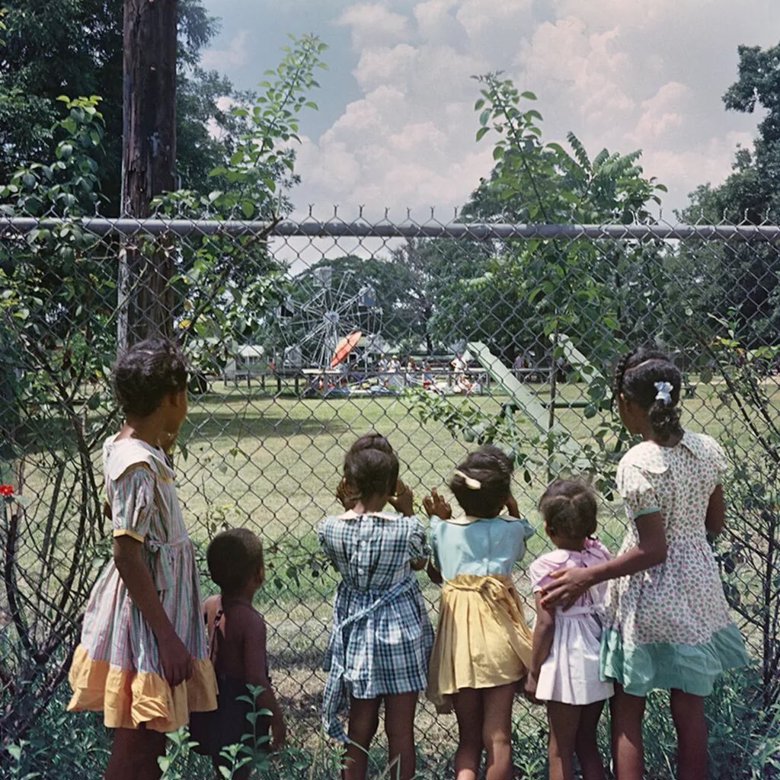
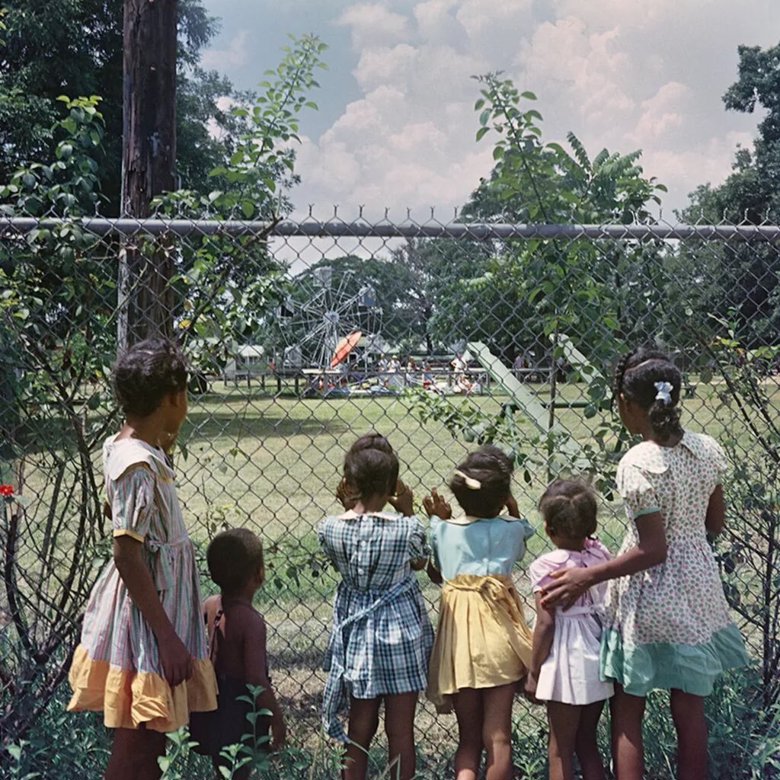
On January 26, 1970, the U.S. Supreme Court issued a decision upholding the Georgia Supreme Court’s decision to close, rather than integrate, a local public park in Macon, Georgia.
In 1911, U.S. Senator Augustus O. Bacon executed his will, devising to the City of Macon, Georgia, “a park and pleasure ground” for white residents only. He explained that “in limiting the use and enjoyment of this property perpetually to white people, I am not influenced by any unkindness of feeling . . . I am, however, without hesitation in the opinion that in their social relations the two races . . . should be forever separate.”
A large and lush recreation space, Baconsfield Park opened in 1920. As trustee of the park, the City of Macon honored Senator Bacon’s wishes and for decades operated it as a “white only” facility. That changed in 1963 when the city determined that, as a public entity, it could no longer constitutionally enforce segregation. Disgruntled, Baconsfield’s Board of Managers sued to remove the City of Macon as trustee and preserve the park as one for white residents only.
In May 1963, Black citizens intervened, filing a lawsuit challenging Baconsfield’s racial restriction as a violation of the Fourteenth Amendment. However, in February 1964, the City of Macon resigned as trustee; several months later the court appointed three private individuals as new trustees, and the racial segregation policy continued.
Black residents appealed to the U.S. Supreme Court. In January 1966, the Court held in Evans v. Newton that Baconsfield could no longer be operated on a racially discriminatory basis: “the public character of this park requires that it be treated as a public institution subject to the command of the Fourteenth Amendment, regardless of who now has title under state law.” Rather than integrate, however, the Georgia Supreme Court responded by terminating the Baconsfield trust and closing the park to the public altogether