
On March 25, 2026, the United Nations General Assembly took a historic step in how the world formally recognizes the enslavement and trafficking of Africans.
By a vote of 123 countries in favor, three against and 52 abstentions, the General Assembly adopted Resolution 80/250, declaring the trafficking of enslaved Africans and racialized chattel enslavement of Africans the “gravest crime against humanity.” The resolution was spearheaded by Ghana and backed strongly by African nations.
Why the Resolution Matters
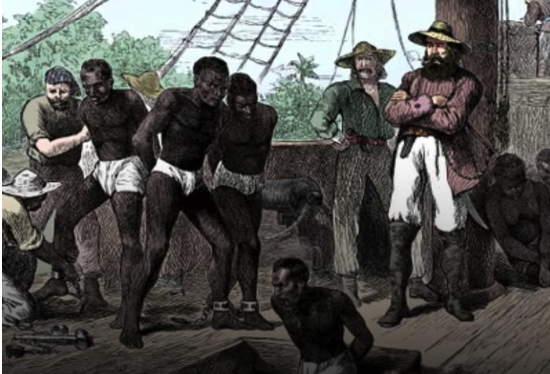
For centuries, millions of Africans were forcibly removed from their homes and transported across the Atlantic. Generations were subjected to racialized chattel slavery, a system in which enslaved people and their descendants were legally treated as property.
The UN resolution points not only to the brutality and enormous scale of the system, but also to its lasting consequences. It recognizes that the effects of slavery continue to influence racial inequality, discrimination and economic structures today.
The vote was overwhelmingly supportive, although not unanimous. Argentina, Israel and the United States voted against the resolution, while 52 countries abstained.
What About Reparations?
The resolution is also significant because it moves beyond remembrance and addresses reparatory justice.
It encourages governments, regional organizations and international institutions to develop frameworks for dialogue and action on reparatory justice and reconciliation. It also calls for greater education, historical research, memorialization and preservation of the history of slavery.
However, the vote did not create a global reparations fund or order countries to make payments. That distinction is important. The viral graphic's statement that the UN voted for “consideration of a reparations fund” oversimplifies what the resolution actually does.
The broader push toward reparations is nevertheless gaining momentum. In August 2026, the UN Committee on the Elimination of Racial Discrimination said countries have obligations under the international convention on racial discrimination to consider comprehensive reparatory measures addressing the continuing harms associated with slavery and racial discrimination.
A Historic Recognition
Ghana's President John Dramani Mahama described the March vote as part of a path toward healing and reparative justice. The initiative also forms part of a wider campaign by African and Caribbean nations to move discussions about slavery beyond acknowledgment and apology toward questions of responsibility and redress.
The resolution does not settle the international debate over reparations, nor does it determine what individual countries must pay.