
Beyond the Stereotypes
When most people think of homelessness, they picture a single image - often inaccurate and incomplete. The reality is far more complex and human than most realize.
Who Really Experiences Homelessness?
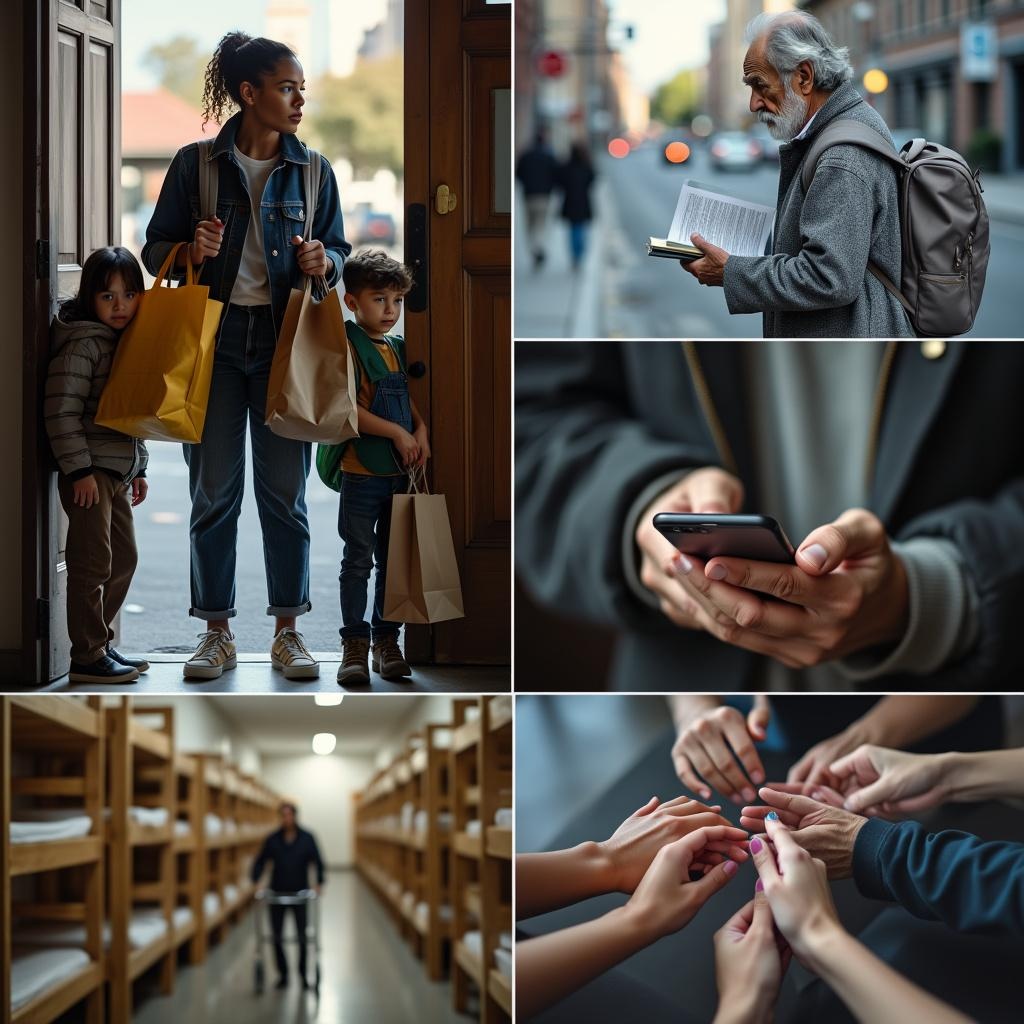
Families with Children
Young couples navigating life with four kids under seven
Single mothers coming home from work with groceries, trying to maintain normalcy for their children
Families separated into different dormitories but still trying to stay together
Working People
Individuals who have jobs but can't afford housing
People connected to daily job sites, working to save money for a place to live
Those who lost housing due to circumstances beyond their control
People with Disabilities and Health Issues
Individuals recovering from hospital stays
People using walkers, crutches, or other mobility aids
Those whose medical situations created financial hardship
Elderly Individuals
Seniors who fell through social safety nets
People on fixed incomes who couldn't keep up with rising costs
The Technology Divide: A Modern Barrier
In today's world, lacking a smartphone isn't just inconvenient - it's a barrier to:
Finding and keeping employment
Accessing banking and financial services
Communicating with family and support systems
Managing appointments and services
Pursuing education or creative projects
When someone experiencing homelessness loses their phone or can't afford one, they're essentially cut off from the tools needed to rebuild their life.
The Shelter System: Necessity vs. Reality
What Shelters Provide
Basic safety and protection from the elements
Separation from more dangerous street conditions
Access to some services and support
The Challenges
Strict curfews (like 8 PM) that can interfere with work schedules
Limited privacy and personal space
Institutional environments that can feel restrictive
Varying quality - some shelters are "basically jail" while others are more supportive
The Ripple Effects of System Failures
When systems fail - like Amazon denying a legitimate return for $146 - it's not just about the money. For someone experiencing homelessness, it can mean:
Being unable to replace essential communication tools
Missing job opportunities
Losing access to banking if physical cards are lost
Delayed progress toward stable housing
Moving Forward: What You Can Do
Change Your Perspective
Recognize that homelessness affects diverse populations
Understand that many people experiencing homelessness work
Realize that families, not just individuals, face housing insecurity
Support Systemic Change
Advocate for affordable housing policies
Support job training and placement programs
Push for technology access programs
Promote healthcare access and mental health services
Show Compassion
Listen to individual stories without judgment
Recognize the humanity and dignity in every person
Understand that homelessness is often the result of circumstances, not character
The Power of Authentic Voices
The most important awareness comes from those who have lived the experience. Personal stories break down barriers, challenge assumptions, and create the empathy needed for real change. When we listen to authentic voices from the homeless community, we begin to understand that homelessness isn't about "those people" - it's about our neighbors, our community members, and people who, with the right support, can rebuild their lives.
"There is a lot of room for change, a lot of room for improvement, and a 99% chance there is room for simple awareness and compassion towards individuals who live like this."
If this one stayed with you, you might also like:
The Growing Challenge of Homelessness in Tampa, Florida: A Personal Perspective
Beyond Shelter: Understanding the Human Experience of Homelessness