

Written by Author Ayanda Kunene & Hloniphile Shabangu
Published on Wednesday, 8 January 2025.
There are a set of strategies that farmers can adopt and practice so that they are not left helpless when an extreme climate event or a slow yet equally disastrous climate phenomenon occurs.

In other words, the problems for a farmer preparing for a global climate change scenario are two-fold; one, a gradual temperature change, related changes in pest demography and disease patterns, and a change in rainfall patterns; two, frequent natural calamities such as droughts, floods, storms and so on.
Get our newsletter delivered to your inbox.
Including Sunday ramblings from our editor, Hloniphile, as well as “What’s Up Wednesday”, our roundup of what’s in season and new article updates and alerts with Ayanda.
We respect your email privacy
To rightly assess the climate risk and develop risk preparedness. Here, are the important steps that the farmers have to think about.
🟢 Regenerative Agriculture
The agriculture sector is one of the largest emitters of greenhouse gases: carbon dioxide, methane, etc. and accounts for 25 per cent of all greenhouse gas emissions on the planet. How to reshape agriculture to reduce these emissions is the key to sustainable farming as well as living on this planet. Regenerative agriculture is the term used to talk about climate-resilient technologies and practices in farming.
The benefits of regenerative agriculture include:
✔️ Reducing carbon emissions
✔️ Enhancing soil health
✔️ Water conservation
✔️ Better productivity
✔️ Sustainability
A new vision is also necessary because the planet is going to see more and more climate disasters in the coming years.
🟢 No till Farming
No tillage farms can survive even when there is low rainfall because less water evaporates from the untilled land. Tilling also causes carbon material in the soil to get exposed to the sun and to be lost as carbon dioxide. Another benefit is that no tillage keeps the soil dynamics and organic diversity intact. When the soil has natural biodiversity, the water that falls on it infiltrates it much more easily.
Get our newsletter delivered to your inbox.
Including Sunday ramblings from our editor, Hloniphile, as well as “What’s Up Wednesday”, our roundup of what’s in season and new article updates and alerts with Ayanda.
We respect your email privacy
The rich presence of organic matter on no till soil quickens the nutrient cycles, making nutrients available in abundance and quickly. The thick organic layer that develops thus enhances root penetration. In this practice, the crop residue from the previous harvest is allowed to stand on the ground intact and decompose naturally. This is a great cost-saving practice for the farmer.
🟢 Adopting Climate-Resistant Crops
Crops such as Millet, Green Gram, Chickpea, Pigeon peas, Almonds, Sesame, Quinoa are drought-tolerant. They also mature early, this significantly reduces the period of exposure the crop has to heat and helps avert the long impact of heat hurting productivity. This also reduces the water requirement in agriculture.
The major advantage of choosing this kind of crop is that they have a certain level of heat tolerance. Choosing to cultivate indigenous varieties of climate-resilient crops is another way to weather climate change. Choosing crops that have a shorter yield cycle is another aspect of climate-resilient agriculture.
🟢 Optimised Crop Calendar
The farmer has to realise that the weather cycle is changing. Their particular region might be facing an early onset of rains or yearly extended drought periods due to climate change. So, holding on to past experiences and the crop calendars from the past will not be sufficient.

The farmers should replenish themselves with the recent climate data of the region and make decisions calibrating the past datasets with the newer ones. Adjusting the planting dates based on the above facts takes the farmer a long way towards crop protection and higher yields.
🟢 Sustaining the Greens to Prevent Wild Fires
The importance of firebreaks and windbreakers has increased exponentially. The farmers have to think about building rock walls, fire-resistant fences, and roadway clearings along their farmland borders or having high moisture plants or flame-retardant plants on the borders. This
will protect the crops from wildfires. A row of trees on the border serves the purpose of windbreakers. The benefits include protecting the farm from storms, reducing soil erosion, adding more nutrients into the soil by way of falling leaves, and making the farm cooler. The canopy of a row of trees also offers frost protection and reduces heat loss from the ground during the night.
🟢 Drip Irrigation
Drip irrigation allows the farmer to have precise and crop-specific irrigation and also reduces water use by three-fourths when compared to conventional flood irrigation. This irrigation method also reduces nutrient leaching.
🟢 Use of Nitrogen Fixing Crops
Legumes such as ground nuts, soyabean and cowpeas are known to fix nitrogen to the soil as their roots have this ability. This natural enrichment of the soil with nitrogen saves the farmer the cost of buying nitrogen fertiliser and also, many of these legume plants serve as a green cover that prevents carbon and moisture loss to the atmosphere from the ground soil.
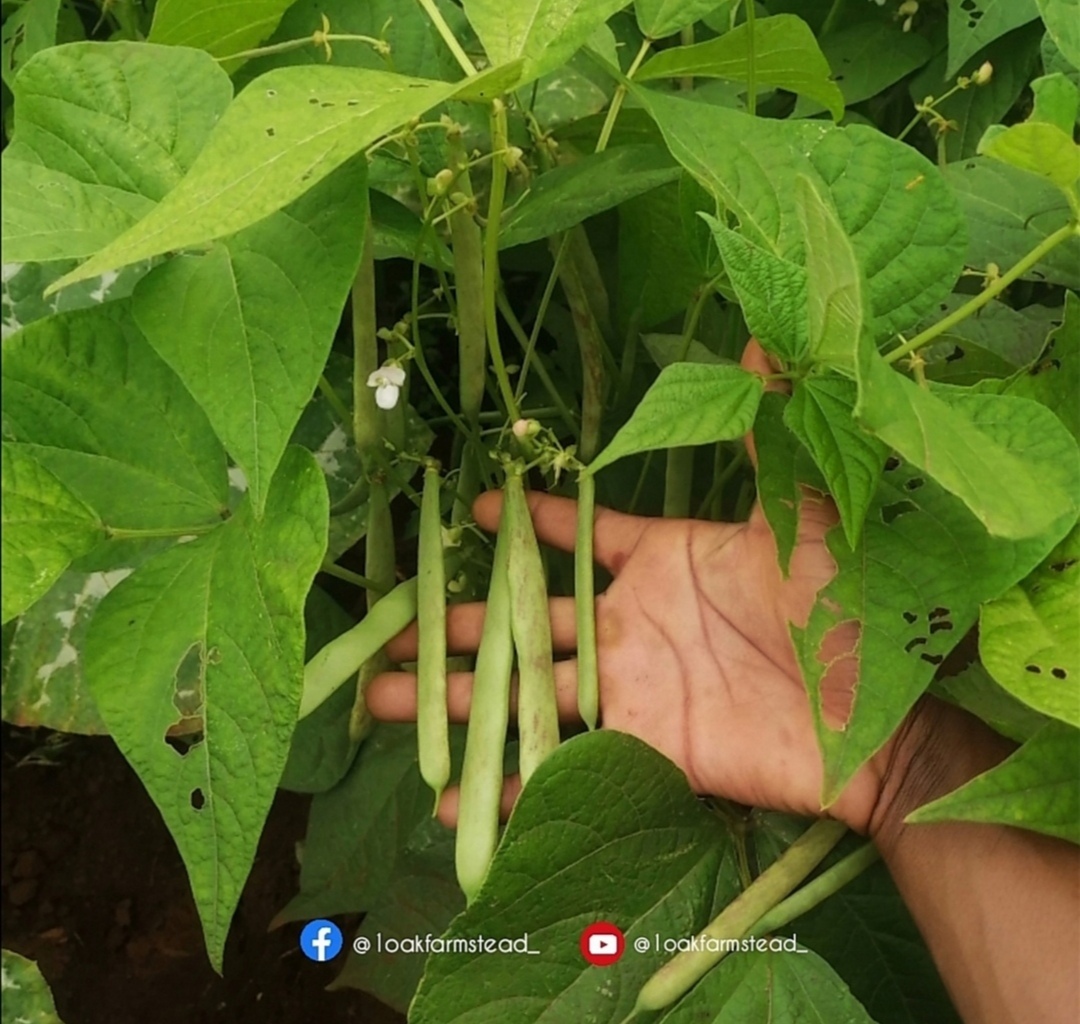
Once these legumes are harvested, the rest of the plant can be tilled into the soil, thus adding the much-required green manure without any extra effort or money.
Get our newsletter delivered to your inbox.
Including Sunday ramblings from our editor, Hloniphile, as well as “What’s Up Wednesday”, our roundup of what’s in season and new article updates and alerts with Ayanda.
We respect your email privacy
After a crop cycle of legumes, the farmers can return to their main crop and this crop rotation ensures that the soil has plenty of diverse nutrients. Diversity in crops is a natural control method for pests and diseases as they differ from one crop to another. When the crop is changed, there is less chance that the same pests and diseases settle down on the same farmland for a long time.
🟢 Organic Farming
Bio-fertilisers make the soil rich by bringing in microorganisms that help nutrient absorption. As we already know, the environmental impact of chemical fertilisers is huge and organic farming helps avert this. Leaching and volatilisation are two major drawbacks of the use of chemical fertilisers.
Split fertilisation is another recommended method in organic farming. In this method, the plant is fed in regular and short intervals with smaller doses of fertiliser application. This reduces the threat of soil volatilisation which causes a freeze in nutrient absorption. The plant will find it easier to absorb nutrients if supplied in lower doses with more frequency than when fertiliser is dumped in huge quantities at its base.
🟢 Biological Pest and Disease Control
Introducing natural predators to the ecosystem and using organic pesticides has a less negative impact on the environment and is good for food safety. As mentioned earlier, crop rotation is another step in controlling pests and diseases.
Get our newsletter delivered to your inbox.
Including Sunday ramblings from our editor, Hloniphile, as well as “What’s Up Wednesday”, our roundup of what’s in season and new article updates and alerts with Ayanda.
We respect your email privacy
Chemical pesticides kill all beneficial insects and microorganisms. By replacing the notion of pest killing with pest repelling, the farmer can develop a biodiversity-based approach to farm management.
🟢 Agroforestry
Agroforestry is another highly recommended strategy for a farmer coping with climate change. As more trees mean more carbon sequestration, the soil is regenerated, and there are fewer greenhouse gas emissions to the atmosphere in such a scenario. When there are more trees on farmland, soil erosion will be less. The fallen leaves act as a good mulch and a moisture-retainer. The tree cover reduces evaporation from the soil.
🟢 Mulching
Mulching helps the soil retain water and prevents evaporation. The mulch gradually recycles itself into green manure. By preventing light from falling directly on the ground, the mulch reduces carbon loss to the atmosphere.
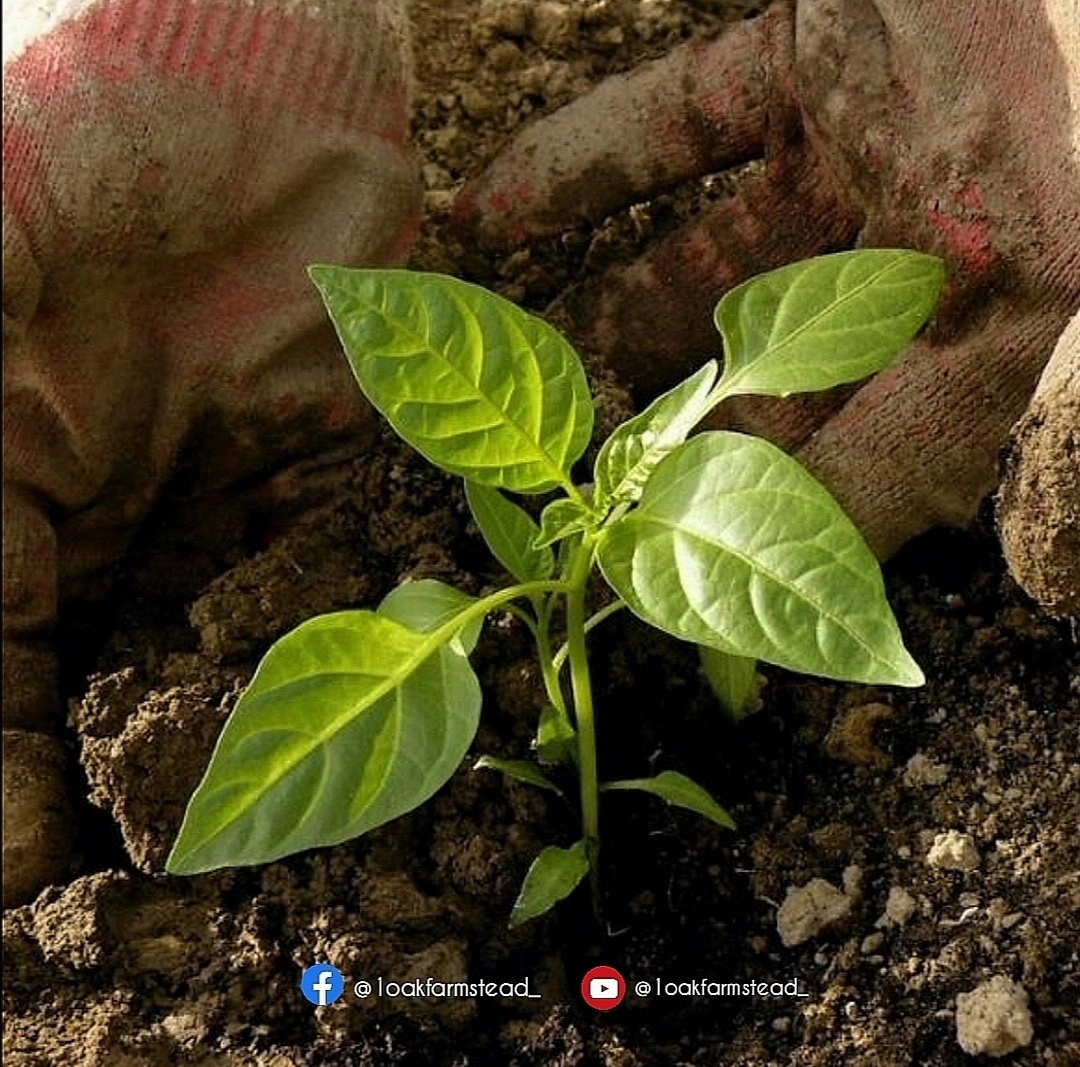
There is also the advantage of preventing weed growth. Beneath the mulch develops a minuscule ecosystem of beneficial microorganisms that help the roots to feed nutrients from the soil.
Mulching also is a method of soil temperature control. This cover keeps the soil cool during hot daytime and keeps it warm on freezing nights. As the soil retains sufficient moisture under the mulch, the frequency of irrigation can be reduced.
🟢 Having More Biodiversity on the Farm
Retaining grass strips and weed strips in between the raised beds of the crops and also lining the border of the farmland with grass has many benefits. On slopes, these strips prevent soil erosion. Grass also slows down surface water runoff and helps the water infiltrate into the soil. This is a great water conservation method. The weeds, when wilted, add nutrients to the soil and ensure nutrient diversity.
The Way Ahead
In a world facing climate change impact on a day-to-day basis, farmers are going to be the worst affected yet most crucial agents of food safety for the entire human race. It is high time that global leaders start a concerted effort to re-train and support them so that the world does not have to witness climate-induced famines and food shortages.
Thank you for tuning in. I bless you.
Until next time.
Pull Up A Seat And Visit Awhile
[Related] Gardening Hub

What Do You Need?
Now That You Are Here!
#Your1oakPlug over here at 1oak Farmstead™ has a saying " Turn your everyday dust into golden haze."
Learn what you can, when you can! Life and knowledge will grow and thrive when/where you nurture it! Enjoy each season!!
Join the other Friends, Farmers/Homesteaders who get the best of homesteading sprout delivered right to their email every Wednesday and Sunday!

Connect With Us!
Never miss what's new with 1oak Farmstead™.