
Introduction:
In the realm of electrical engineering and construction, the choice between normal and armoured cable plays a crucial role in determining the efficiency, safety, and longevity of power transmission systems. While both types serve the purpose of transmitting electrical energy, they possess distinct characteristics that make them suitable for different applications. This document aims to elucidate the disparities between normal and armoured cables, shedding light on their construction, features, advantages, and typical use cases.
Normal Cables:
Normal cables, also referred to as unarmoured cables, constitute a fundamental component of electrical systems. They typically consist of conductive cores made of copper or aluminum encased within insulating materials such as PVC (Polyvinyl Chloride) or XLPE (Cross-linked Polyethylene). These cables are renowned for their flexibility and ease of installation, making them ideal for indoor wiring, residential applications, and low-voltage electrical circuits. Due to their lightweight nature and cost-effectiveness, normal cables are commonly utilized in domestic electrical wiring, telecommunications networks, and small-scale industrial setups.
However, normal cables exhibit limited resistance to external environmental factors and mechanical stresses. Their vulnerability to damage from abrasion, moisture, and rodents necessitates careful installation and maintenance practices to ensure prolonged functionality. Moreover, normal cables are unsuitable for applications where enhanced protection against physical threats or harsh conditions is imperative.
Armoured Cables:
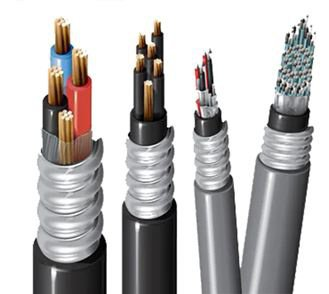
In contrast, armoured cable are engineered to withstand a broader range of challenges, offering enhanced durability and resilience. The distinguishing feature of armoured cables lies in their protective layer, which shields the conductive cores from external hazards. This protective layer typically comprises materials such as galvanized steel wire, steel tape, or aluminum tape, providing robust defense against mechanical impact, corrosion, and environmental ingress.
The construction of armoured cables imbues them with superior strength and reliability, making them well-suited for outdoor installations, industrial environments, and infrastructure projects. These cables are commonly deployed in underground wiring, power distribution networks, and applications requiring extended longevity and security. By fortifying the conductors against physical damage and environmental deterioration, armoured cable ensure uninterrupted power transmission even in challenging operational conditions.
Types of Armoured Cables:
Armoured cables are available in various configurations, each tailored to specific requirements and operating conditions. The two primary types of armoured cables are Steel Wire Armoured (SWA) and Steel Tape Armoured (STA) cables.
Steel Wire Armoured (SWA) Cables:
SWA cables feature a layer of galvanized steel wires wound around the conductive cores and insulation. This robust armor provides excellent protection against mechanical stresses, making SWA cables suitable for underground installations, direct burial applications, and areas prone to physical damage. The steel wire armor also enhances the tensile strength of the cable, allowing it to withstand significant loads and pulling forces during installation.
Steel Tape Armoured (STA) Cables:
STA cables, on the other hand, utilize a helically wound steel tape as the protective layer surrounding the conductors. This tape provides a flexible yet resilient shield against external threats, offering similar levels of protection as SWA cables. STA cables are favored for their lighter weight and compact design, making them easier to handle and install in confined spaces or overhead applications. Additionally, the steel tape armor ensures uniform distribution of mechanical forces, reducing the risk of cable deformation or damage.
Advantages of Armoured Cables:
The utilization of armoured cables confers several notable advantages over their normal counterparts:
Enhanced Durability: The protective armor of armoured cables enhances their resistance to physical damage, moisture, and environmental contaminants, ensuring prolonged service life and reliability.
Improved Safety: By mitigating the risk of electrical faults and cable failures, armoured cables contribute to safer working environments and reduced downtime.
Greater Versatility: Armoured cables can be deployed in a diverse range of applications, including underground installations, outdoor wiring, and industrial settings, offering unparalleled versatility and adaptability.
Enhanced Security: The robust construction of armoured cables deters tampering, vandalism, and unauthorized access, safeguarding critical infrastructure and assets.
Long-term Cost Savings: While armoured cables may entail higher initial investment costs, their durability and resilience result in lower maintenance expenses and fewer replacement cycles over time, translating into significant cost savings.
Applications of Armoured Cables:
Armoured cables find extensive usage across various industries and sectors, including:
Power Distribution Networks: Armoured cables serve as backbone infrastructure for transmitting electrical power from substations to distribution points, ensuring reliable and efficient energy delivery.
Construction and Infrastructure Projects: Armoured cables are indispensable for powering construction sites, infrastructure developments, and transportation networks, where robust electrical wiring is essential for safety and productivity.
Oil and Gas Facilities: The harsh operating environments encountered in oil refineries, petrochemical plants, and offshore platforms demand the use of armoured cables to withstand corrosive substances, extreme temperatures, and mechanical hazards.
Telecommunications and Data Centers: Armoured fiber optic cables provide secure and resilient connectivity for telecommunications networks, data centers, and IT infrastructure, protecting critical data transmission pathways from external interference and damage.
Mining and Quarrying Operations: Armoured cables are employed in mining operations to supply power to equipment, machinery, and lighting systems in underground tunnels and hazardous environments, where reliable electrical connections are paramount for worker safety and productivity.
Conclusion:
In summary, the disparity between normal and armoured cables lies in their construction, features, and intended applications. While normal cables offer flexibility and cost-effectiveness for indoor wiring and low-voltage circuits, armoured cables provide superior durability, protection, and resilience for outdoor, industrial, and high-risk environments. Understanding the distinction between these two types of cables is essential for selecting the most suitable solution to meet the specific requirements of electrical installations and infrastructure projects, ensuring optimal performance, safety, and longevity.