

Indie Publishing in a Nutshell.
This is my second blog in this series sharing what I've learnt about publishing, and sharing my answers to questions.
My Philosophy

We all make decisions when we publish our own books, and no way is right or wrong. However, I feel it's useful to understand my publishing philosophy. As an author I live by two rules to ensure my brand remains consistent.
1) I won't print anything that's not of a standard I want to read. This means I go through at least one, and sometimes two rounds of editing before my books are released to the world.
2) I pay someone to do everything I can't do myself.
Before you Publish
1) Editing
I suggest you source a structural editor at a minimum. After you make your changes I would also suggest a line editor/copy edit after you have made your changes. Each edit is about 1.5k for around 60-70k. If I were to choose only one of these, I would choose a structural edit and learn how to do a line edit, or use Advance Readers, or a combination of both of these.
2) Cover Art and Formatting
You will also need to source a great cover to fit your genre (search through your genre online and look at what the covers are like, and think about what you like because you will need to let your designer know. Cover designers are easily sourced on freelance sites like fiverr and via internet searches. They cost anything from $150 to $500 depending ont eh designer, and on how you choose to publish your book. will depend on whether you are digital only, or also wanting paperbacks and/or hardcovers).
For your first couple of times you publish, you may also want someone to format the books for you. There is software to do this, but I didn't have the bandwidth to do this my first couple of publications. The software is pretty easy to learn to use, but a graphic designer with the right software can do so much more.
The Publishing Process
1) Digital Publishing
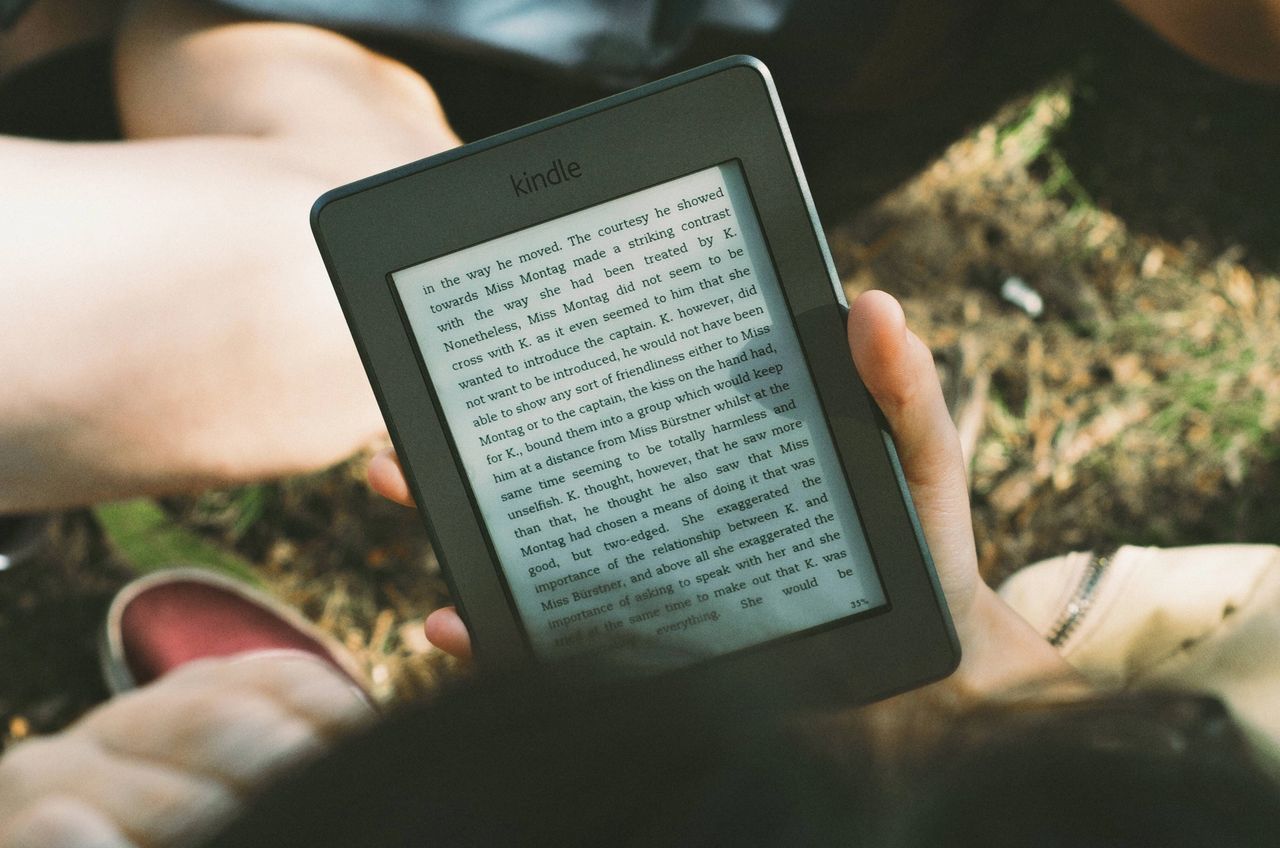
Your first decision is to only publish on Amazon or to publish wide. An Amazon exclusive gives you access to to the kindle subscription service, which is quite lucrative in some genres. However, you can only publish your digital book on Amazon (using Kindle Direct Publishing, which is the platform for loading your books on amazon).
Going wide gives you access to more channels, and might be worthwhile for you.
I am wide because I personally don't want to support an amazon takeover of publishing, and I use draft2digital to load most of my books. This is easiest for starters.
2) Paperbacks

I use amazon and ingramspark - these provide print on demand services for the larger online bookstores, and for individual buyers. Some bookshops and libraries, especially in the US, will order copies from Ingram.
3) Other Publishing Considerations
There are also smaller things to consider, like having barcodes for your books. Amazon and D2D will provide isbns, but buying your own will give you more control. I purchase mine from. Thorpe Bowker.
You need to know what genre your book will fit in to, and what the tropes are that people will search for it by. Knowing search terms will also help with your book set up.
Pricing. This is a hit and miss process. Search around what other indie authors are selling their books for, and test for your sweet spot—not too high to proce yourself out of the market, but high enough to maximise your return.
4) Maintenance, Promotion, and Lodging your Book
Your country will have a policy on lodging your book with a national depository, or state depository service. You can search this on the internet.
Promotions (and this is similar for however you publish) - it's difficult for your first book. Having an active profile on bookstagram is almost a must, as if having a home base on a website or a substack.
A newsletter is also extremely useful. It builds up followers, but, more importantly, if you have a newsletter you can arrange book mentions with other authors in your genre.
You will need to arrange public appearances at signing events and bookshops etc to build your profile - this was a game changer for me.

If you decide to publish, whichever way you do it, it is a labour of love. At times it takes over your life, but it is so rewarding when you have someone come back and ask where the next book in the series is because they're dying to read it. Or even just telling you they love your book. That is why I still do it even though the pay is poor.
Let me know if this article has helped you, or if thre are further topics you would like me to write on.