

The people behind your cup of Ceylon Tea.
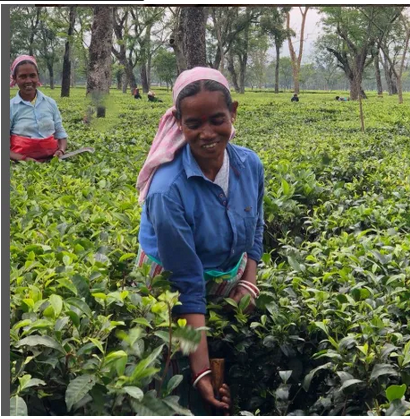
As you set your top hat on the table and settle into a cosy corner of an English country club, ready to indulge in a quintessential afternoon tea, there’s a good chance you’re about to savour a cuppa of Ceylon tea.
Renowned UK brands like Tetley and Twinings proudly import tea from the emerald — green hills of Sri Lanka — formerly know as Ceylon.
Though Sri Lanka isn’t the largest tea producer globally — China claims that title — the craftsmanship, tradition, and care behind Ceylon tea set it apart as a global treasure.
A Legacy Brewed Over Centuries
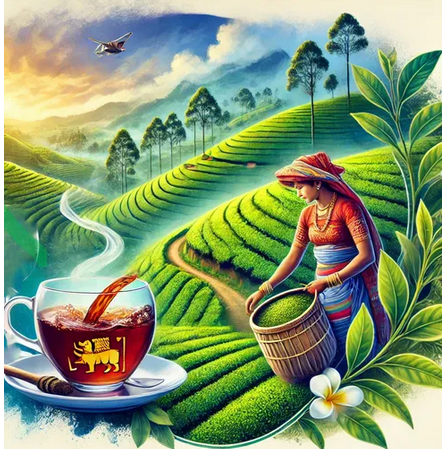
The story of Sri Lanka’s tea industry began in 1867 when James Taylor, a British planter, introduced the first commercial tea plantation to the island.
Over time, what started as a colonial experiment transformed into a billion-dollar industry, shaping the lives of countless Sri Lankans.
Today, nearly 5% of the population is directly employed in tea production, from picking leaves on misty mountain slopes to processing them in plantation factories.
A day in the Hills — The Work of a Tea Plucker
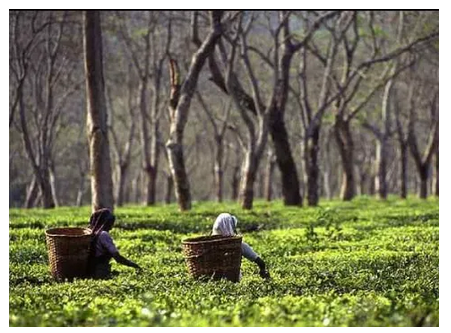
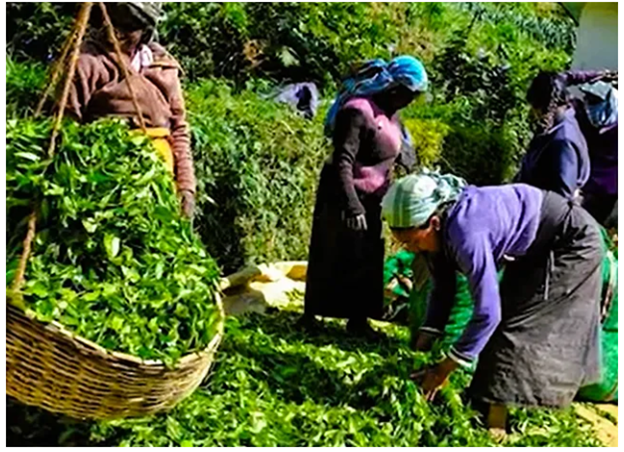
In the misty hills of Sri Lanka, where the world’s finest tea is grown, the life of a tea plucker is one of resilience, skill, and hard work. Predominantly women are Sri Lanka’s tea pluckers. They are the backbone of the country’s multi-billion-dollar tea industry.
Their labor-intensive work begins before the first light of day, as the long blast of the factory horn at 7:00 am signals the start of another demanding shift.
Armed with nothing more than a custom-made rucksack-like bag, colorful sarees, and a long stick, these workers traverse the steep, rugged tea plantations.
The stick helps them navigate the dense bushes and uneven terrain, ensuring they don’t miss a single tender “two leaves and a bud.”
The rhythm of their work is both a physical and mental challenge, as the pluckers must pick carefully, ensuring the leaves are not too tough, a task that must be repeated every 7 to 14 days.
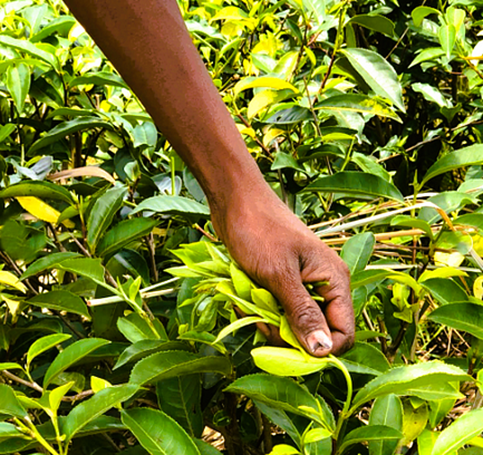 The wages for this backbreaking work are modest — 1,350 rupees Sri Lankan Rupees (roughly $4.50) for meeting a daily target of 18kg of leaves.
This grueling job, often carried out in drizzling rain or cold, foggy mornings, is one that takes a toll on the body. Over time, the hands become calloused, and the feet cracked from walking barefoot on the rough terrain.
The daily routine starts at 7:30 am and continues until 4:30 pm or 5:00 pm, with a break for tea and lunch.
In the rainy season, pluckers work all seven days of the week, as the crop yield is high. By the end of the day, the leaves they’ve gathered are weighed and marked, ready to be sent to the factory, where the long journey to becoming Ceylon tea begins.
 Workers often live in colonial-era barracks-style housing, with limited access to electricity or running water.
Many plantation families rely on relatives working abroad to supplement their incomes.
More than Just a Cup of Tea
While the wages may be low, and the work physically demanding, the spirit of the tea pluckers remains unbroken.
For many, it’s not just about earning a living — it’s about being a part of a centuries-old tradition. Despite the hardships, the art of handpicking tea continues, passed down through generations, contributing to the global legacy of Ceylon tea.
Conclusion
“Whether on the winding roads of Sri Lanka or the elegant country clubs of England, let’s raise a cup in honor of the Sri Lankan tea plucker. It’s the calluses on their hands that make this brew truly exceptional.”