

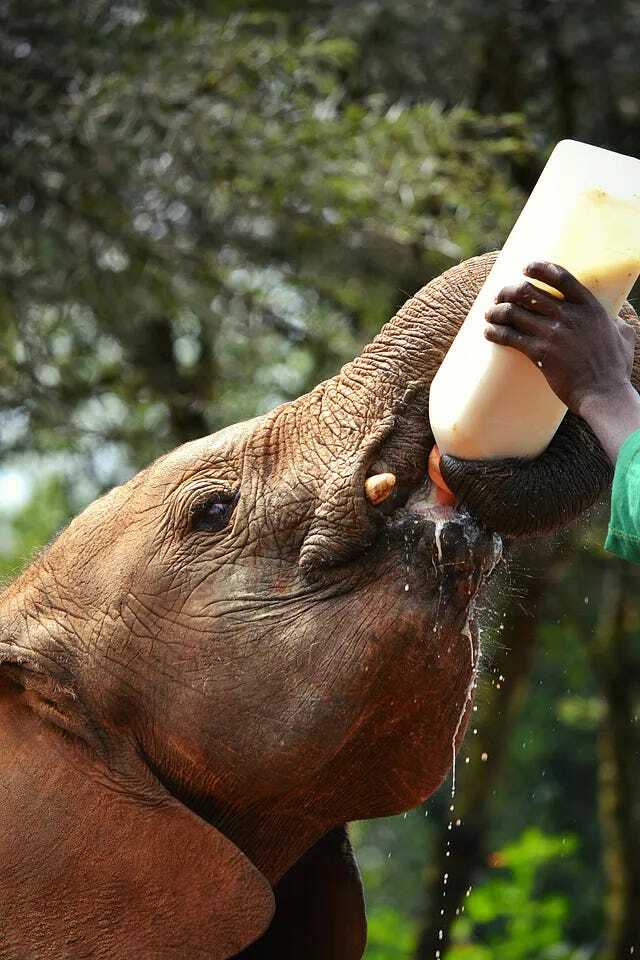
Phote by Sneha Cecil on Unsplash
One of Sri Lanka’s famous hotspots, the Pinnawala Elephant Orphanage, offers a unique glimpse into nurturing care — where a bottle of milk replaces a mother’s trunk.
The orphanage established in 1975 provides baby elephants with a tender touch of maternal love.
Location
The Elephant Orphanage is nestled in Pinnawala Village, spanning a 25-acre coconut plantation along the banks of the Maha Oya River, its situated 13 kilometers northeast of Kegalle town in Sri Lanka’s Sabaragamuwa province.
The iconic image of elephants taking baths on the banks of the Maha Oya River has been featured on countless picture postcards sent to destinations all over the world.
Getting There
Colombo to Pinnawala— 93.7km — By Vehicle
Route 1:
Via: Kandy Rd/Kandy — Colombo Rd/A1
Time: 2 hr 22 min
Distance: 93.7 km
Notes: Fastest route; this route has tolls.
Route 2:
Via: Kandy Rd/Kandy — Colombo Rd/A1 and Karandupana — Rambukkana Rd/Kegalle — Rambukkana Rd/B199
Time: 2 hr 28 min
Distance: 86.8 km
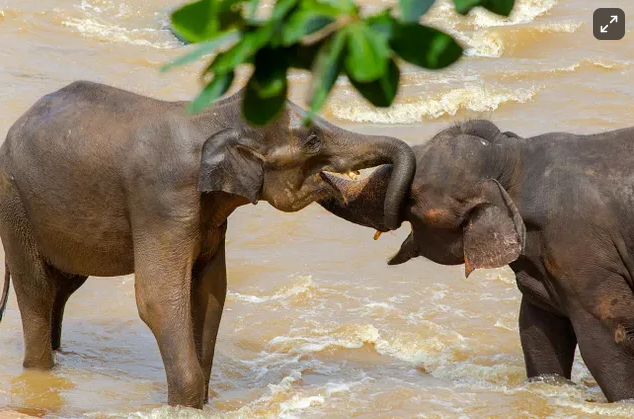
Photo by Shashank Hudkar on Unsplash
Overview of the Orphanage
Established in 1975 by the Sri Lankan Department of Wildlife Conservation.
Houses over 100 elephants, including calves and a breeding herd.
Focuses on feeding, caring, and providing sanctuary to elephants. These gentle giants’ daily diet includes leaves, milk bottles(for baby elephants), rice bran and maize. They also enjoy favourite snacks such as jackfruits, coconuts, sugar palm and tamarind.
Births within the facility have grown the herd since 1995. The orphanage welcomed its first set of twins on 31 August 2021. A happy mammal named Surangi gave birth to twin baby elephants.
A safe haven from Hunters. Away from riffles and booby traps, the elephants can roam freely and enjoy their bonding moments and mating rituals.
Activities for Visitors
Get up close and personal with these world-famous orphans by witnessing their daily routine:
08.30 hours — Open to Visitors. The gates to the orphanage open, welcoming visitors eager to witness the daily life of the elephants.
09:15 AM — Bottle Feeding. One of the highlights for visitors, the bottle feeding session offers a heartwarming experience as orphaned baby elephants are fed large bottles of milk by caretakers.
10:00 AM — Herd Leaves for the River. The herd begins its journey to the nearby Maha Oya River for their morning bath.
12:00 PM — Return from the River. After a refreshing few hours in the river bathing, playing, and cooling off — the herd returns to the orphanage.
01:15 PM — Bottle Feeding. The second feeding session of the day takes place, giving visitors another chance to watch the adorable baby elephants being nourished.
02:00 PM — Herd Leaves for the River. In the afternoon, the elephants return to the Maha Oya River for their second bath of the day; this ensures they stay cool and hydrated.
04:00 PM — Return from the River. The herd makes its way back to the orphanage, completing their second river visit. This marks the winding down for the day. At this time, the elephants are mostly at leisure, and you can witness their playfulness.
05:00 PM — Bottle Feeding. The final bottle-feeding session of the day is held.
05:30 PM — Ticket Counters Close. The ticket counters close, marking the end of new admissions for the day. Visitors are encouraged to click their final picturesque moments.
06:00 PM — Close to the Public. The orphanage officially closes its gates for the day. It is now the elephant’s personal time away from prying camera lenses.
Note: Kindly re-check the details of this itenary as it maybe subject to change.
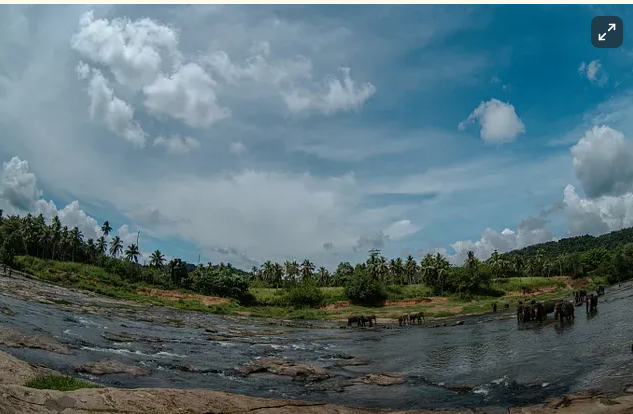
Photo by Ajaj.S on Unsplash
Summary of Conservation Efforts at Pinnawala Elephant Orphanage
The Orphanage is crucial in providing a lifeline for orphaned and displaced elephants, particularly those left alone due to human-wildlife conflicts or accidents in the wilderness.
The facility ensures a safe environment for elephants who have lost their mothers — often due to poaching, accidents like falling into pits, or human interventions such as farmers killing adult elephants to protect crops.
A captive breeding program was launched in 1982 to support the long-term survival of the species. Over 20 elephants have been successfully bred at the orphanage, with some orphans now witnessing their third generation born within the facility.
A scientific captive-breeding program supported by local and international experts has further elevated Pinnawala’s role as one of the most successful initiatives for Asian elephant conservation.
Managed by a dedicated team of over 100 staff, including mahouts, the orphanage offers elephants freedom and safety within an enclosed sanctuary.
Through these efforts, Pinnawala Elephant Orphanage not only safeguards elephants but raises awareness about the importance of protecting these magnificent creatures for future generations.