
By Velian Krav - 27/11/2025
 Colonialism didn’t simply conquer Africa; it reprogrammed it.
It was an operation on the soul of entire nations — replacing pride with dependence, wisdom with bureaucracy, and spiritual balance with imported shame.
Frantz Fanon understood this deeper than any politician.
He saw that colonization wasn’t just about stolen land — it was about stolen self-perception. When an invader convinces a people they are inferior, the chains become psychological. Violence, then, becomes not only political revolt but a struggle for sanity — the mind’s way of rejecting occupation.
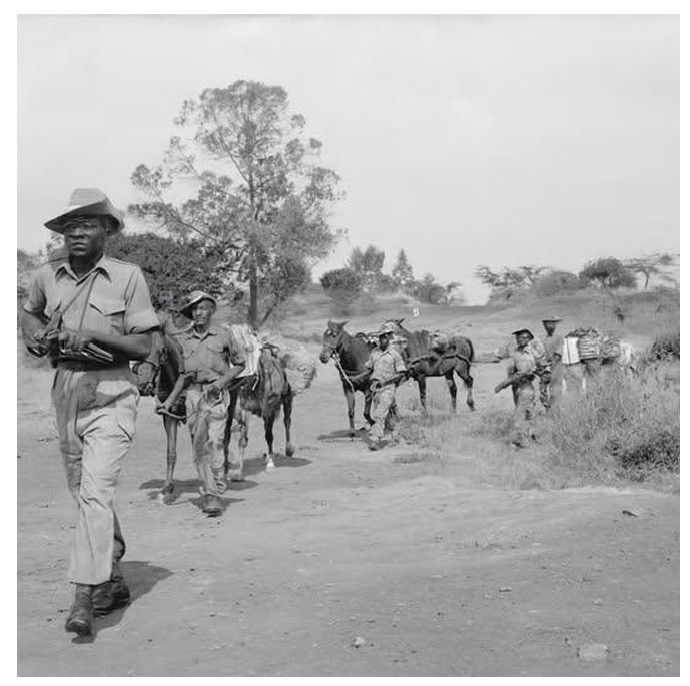
The Mau Mau uprising in Kenya wasn’t madness. It was clarity.
It was the collective scream of a people realizing that civilization imposed at gunpoint is not civilization — it is slavery with better grammar.
The British Empire called the rebels “savages.” Yet it was the empire that built concentration camps, burned villages, and hanged Dedan Kimathi as a warning to others.
Every empire, when cornered, reveals its true nature: polite masks fall, and the beast of domination shows its teeth.
But history has a way of punishing arrogance.
By the time Kimathi was executed in 1957, the moral fabric of empire had already begun to rot. The Mau Mau failed militarily but won psychologically — they shattered the illusion of British invincibility and planted the seed of freedom that would soon bloom across the continent.
Africa’s tragedy is not that it was conquered — it is that the world still pretends the conquest is over.
The borders drawn by foreign hands remain. The economic structures of dependence remain. The missionaries have been replaced by consultants, and the soldiers by debt.
The next liberation will not be about flags or constitutions — it will be a liberation of mind.
When Africa remembers its worth, its languages, its philosophies, its own models of balance and justice — the colonial spell will finally break.