

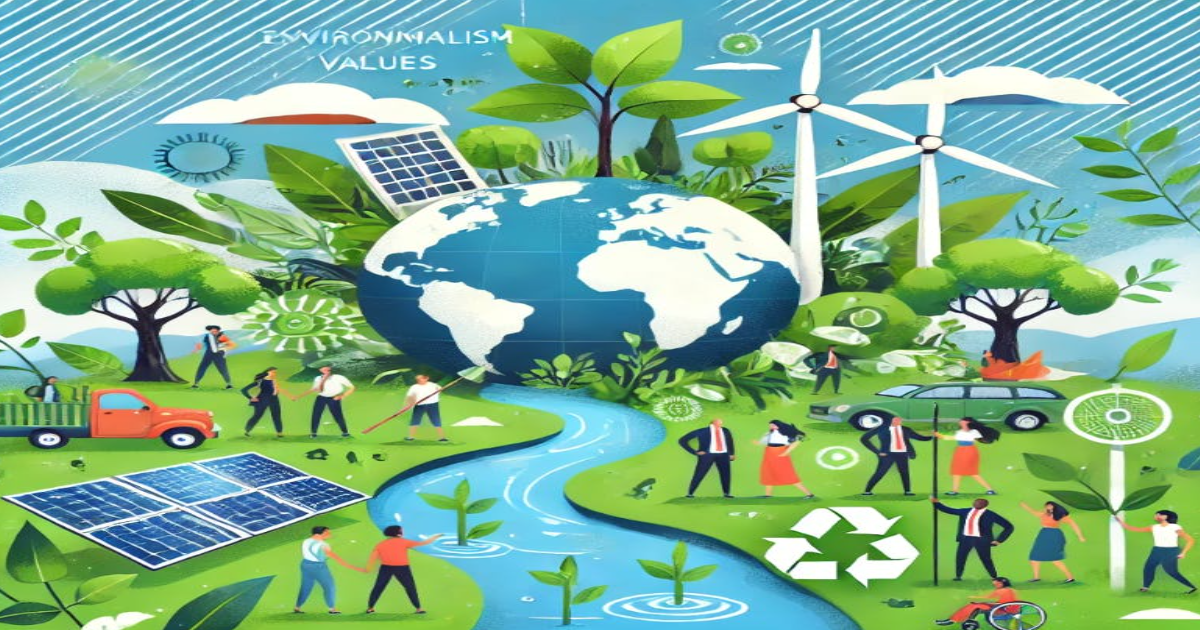
Environmentalism is a critical component of contemporary political values, emphasizing the protection and preservation of the natural world. As environmental issues such as climate change, pollution, and biodiversity loss become more pressing, the principles of environmentalism are increasingly essential in shaping policies and guiding actions. In this chapter, we explore the essence of environmentalism, its historical development, its role in modern society, and the challenges it faces today.
The Essence of Environmentalism
Environmentalism is rooted in the belief that humans have a responsibility to protect and sustain the natural environment. Key principles of environmentalism include:
Sustainability: Promoting practices that meet present needs without compromising the ability of future generations to meet theirs.
Conservation: Preserving natural resources and ecosystems to maintain biodiversity and ecological balance.
Pollution Prevention: Reducing and preventing pollution to protect air, water, and soil quality.
Renewable Energy: Supporting the development and use of renewable energy sources to reduce reliance on fossil fuels.
Environmental Justice: Ensuring that all communities, particularly marginalized ones, have equal access to a clean and healthy environment.
Historical Development
Environmentalism has evolved significantly over the past century, with several key milestones marking its progress:
Early Conservation Efforts: In the late 19th and early 20th centuries, conservationists like John Muir and Theodore Roosevelt advocated for the protection of natural areas, leading to the establishment of national parks and forests.
The Environmental Movement: The 1960s and 1970s saw a surge in environmental awareness, spurred by events such as the publication of Rachel Carson's "Silent Spring" and the first Earth Day in 1970. This period led to significant legislative achievements, including the Clean Air Act, Clean Water Act, and the establishment of the Environmental Protection Agency (EPA).
Global Environmentalism: In recent decades, environmentalism has become a global movement, addressing issues such as climate change, deforestation, and ocean pollution. International agreements like the Kyoto Protocol and the Paris Agreement have aimed to coordinate global efforts to combat environmental degradation.
Environmentalism in Modern Society
Today, environmentalism is a driving force behind many political and social initiatives. Key aspects of contemporary environmentalism include:
Climate Action: Advocating for policies and practices to reduce greenhouse gas emissions, promote renewable energy, and mitigate the impacts of climate change.
Sustainable Development: Encouraging development that balances economic growth with environmental protection and social equity.
Green Technology: Supporting the development and adoption of technologies that reduce environmental impact, such as electric vehicles, solar panels, and energy-efficient appliances.
Biodiversity Conservation: Promoting efforts to protect endangered species and habitats, maintain healthy ecosystems, and prevent biodiversity loss.
Circular Economy: Encouraging waste reduction, recycling, and the reuse of materials to create a more sustainable economic system.
The Impact of Environmentalism
Environmentalism has had a profound impact on society, driving numerous positive changes:
Improved Air and Water Quality: Environmental regulations and conservation efforts have led to cleaner air and water in many parts of the world.
Protected Natural Areas: National parks, wildlife reserves, and marine protected areas have been established to conserve biodiversity and provide recreational opportunities.
Renewable Energy Growth: Investment in renewable energy sources has increased, reducing reliance on fossil fuels and lowering greenhouse gas emissions.
Environmental Awareness: Public awareness of environmental issues has grown, leading to greater support for sustainable practices and policies.
Challenges to Environmentalism
Despite its successes, environmentalism faces significant challenges:
Political Opposition: Environmental policies often face resistance from industries and political groups that prioritize economic growth over environmental protection.
Economic Constraints: Implementing sustainable practices can be costly, and funding for environmental initiatives is often limited.
Global Coordination: Addressing global environmental issues requires cooperation among nations, which can be difficult to achieve due to differing priorities and resources.
Public Engagement: Sustaining public interest and engagement in environmental issues can be challenging, particularly in the face of competing concerns and misinformation.
The Role of Advocacy and Policy
To address these challenges, environmental advocacy and policy play crucial roles. Key strategies include:
Advocacy and Activism: Environmental advocates and activists raise awareness, influence public opinion, and push for policy changes at local, national, and international levels.
Policy Development: Governments and organizations must develop and implement policies that promote sustainability, conservation, and environmental justice.
Education and Outreach: Educating the public about environmental issues and sustainable practices can foster greater engagement and support for environmental initiatives.
Corporate Responsibility: Encouraging businesses to adopt sustainable practices and reduce their environmental impact is essential for achieving broader environmental goals.
Conclusion
Environmentalism is a vital political value that seeks to protect and sustain the natural world for current and future generations. By understanding its historical development, contemporary significance, and the challenges it faces, we can better appreciate its role in shaping political landscapes. Through advocacy, policy innovation, education, and corporate responsibility, environmentalists can continue to drive meaningful change and create a more sustainable and just world. Let us embrace the principles of environmentalism, recognizing that the health of our planet is inextricably linked to the well-being of all its inhabitants.
Continue to Chapter 8 ➡️Nationalism in Political Values