


Your Ukrainian learning dream has begun and you feel like a hero after learning the Ukrainian alphabet and a few key phrases — but then you discover that every Ukrainian noun has six endings (and some names even have seven!)
There's only one question on your mind: Why? Surely, we don’t need all those endings? (Spoiler: we do.)
What is a grammatical case?
Case is a grammatical category that refers to inflections which make it clear exactly what function a given word fulfills in a particular sentence. These infections may be applied to nouns, pronouns, adjectives, numerals, and, in some languages, adverbs. Words are transformed into a given case by either adding a suffix or by changing entirely (as is the case with personal pronouns).
In short, cases are grammatical signposts that tell us the function of each part of a sentence. Rather than being a useless pain, cases actually bring a lot of clarity to communication.
In Ukrainian, cases are realized by changing the ends of nouns and adjectives. Let's have a look at the word "Ukraine":
Nominative
It's Україна (Ukraina) when it's the subject of a sentence (who or what does the action):
→ Ukraine speaks Ukrainian.
Genitive
It's України (Ukrainy) when you mean "of" in English:
→ The Constitution of Ukraine was the first democratic constitution in Europe.
Dative
It's Україні (Ukraini) when you mean "to" in English:
→ Glory to Ukraine!
Accusative
It's Україну (Ukrainu) when you do something about it:
→ I love (what?) Ukraine.
Instrumental
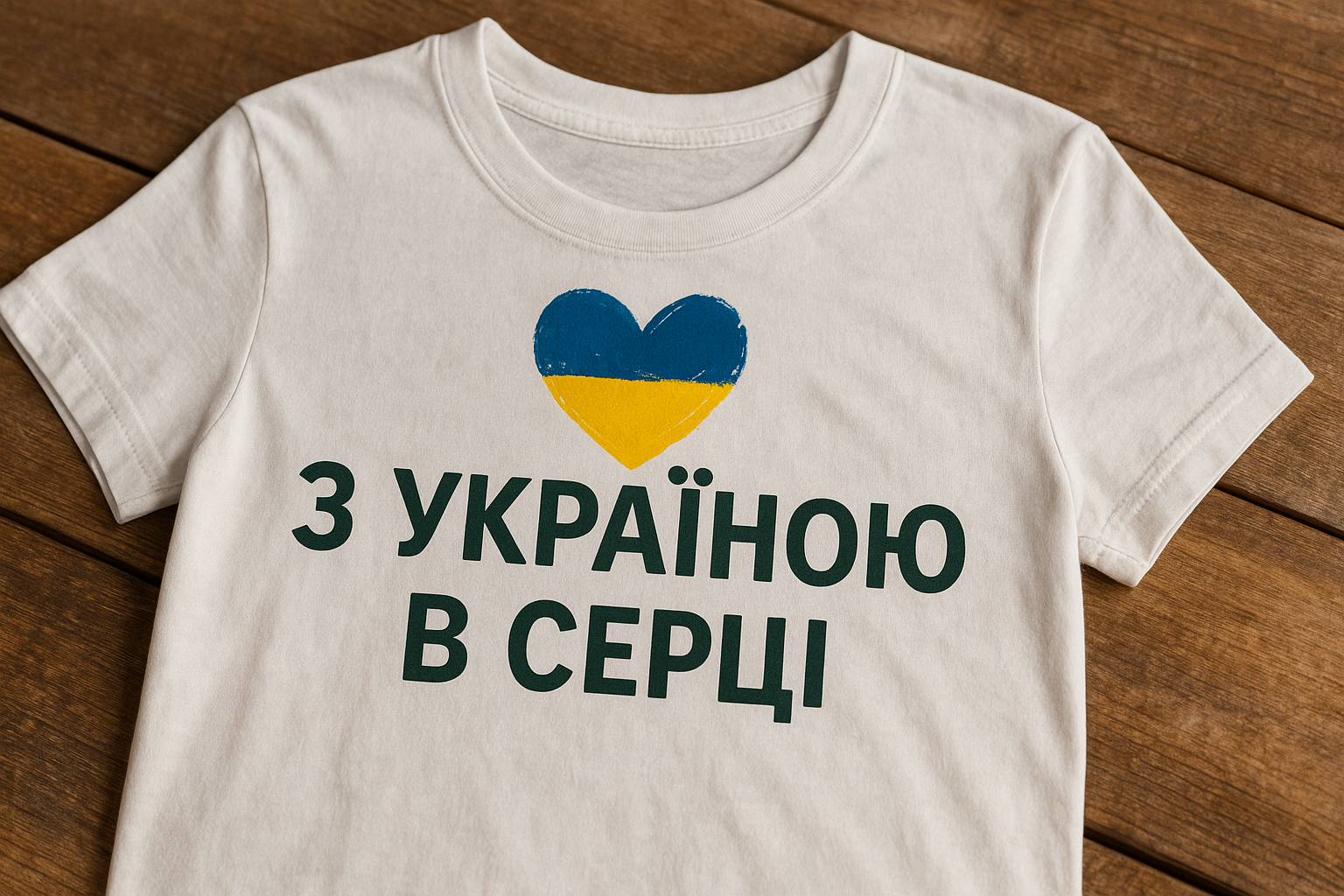
It's Україною (Ukrainoyu) when you mean "with/by" in English:
→ With Ukraine in my heart.
Locative
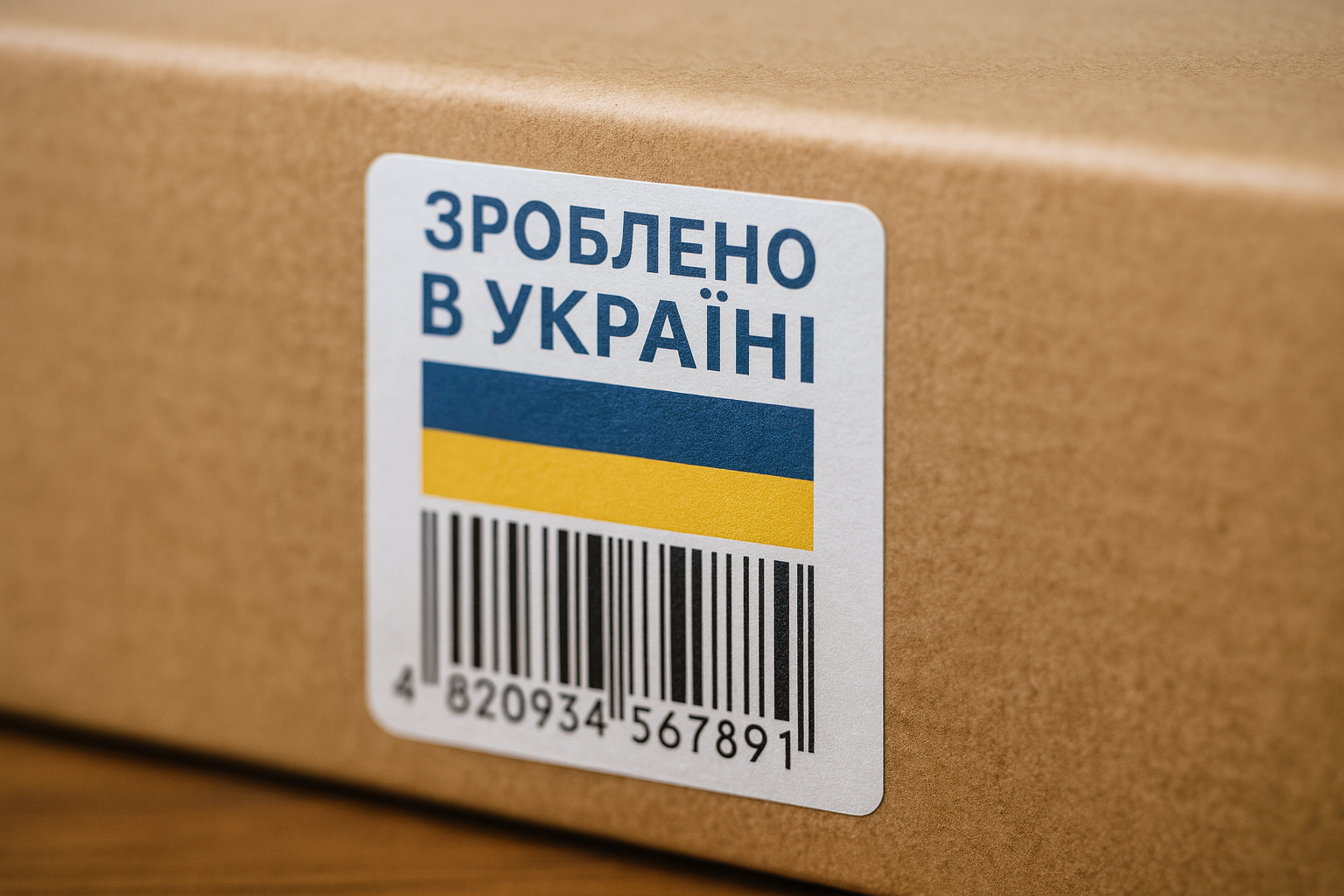
It's Україні (Ukraini) when you mean a place (where?):
→ Made in Ukraine.
That's all it boils down to. Depending on how you're using a word, you'll need to adjust a letter or two at the end. In exchange for this small bit of labor, you get freedom: Ukrainian sentences make sense basically regardless of word order.

English vs Ukrainian
Guess what – English actually has cases, too! Ever wonder why "she" changes to "her" in the sentence
"I see her?"
Congratulations, you’ve just used the accusative case in English!
Take the phrase Tim’s book. The "’s" after Tim creates the possessive case, showing us that Tim owns the book (not to mention the fact that Tim's book just rolls off the tongue better than book of Tim.) Imagine the potential confusion if we were to just ignore the possessive case and just say Tim book or book Tim, expecting the listener to lean on context to fill in the gaps on their own.
To that end, we promise: if you stick with it, one day you’ll be using Ukrainian cases so effortlessly that you’ll almost forget they exist — just like you do in English.
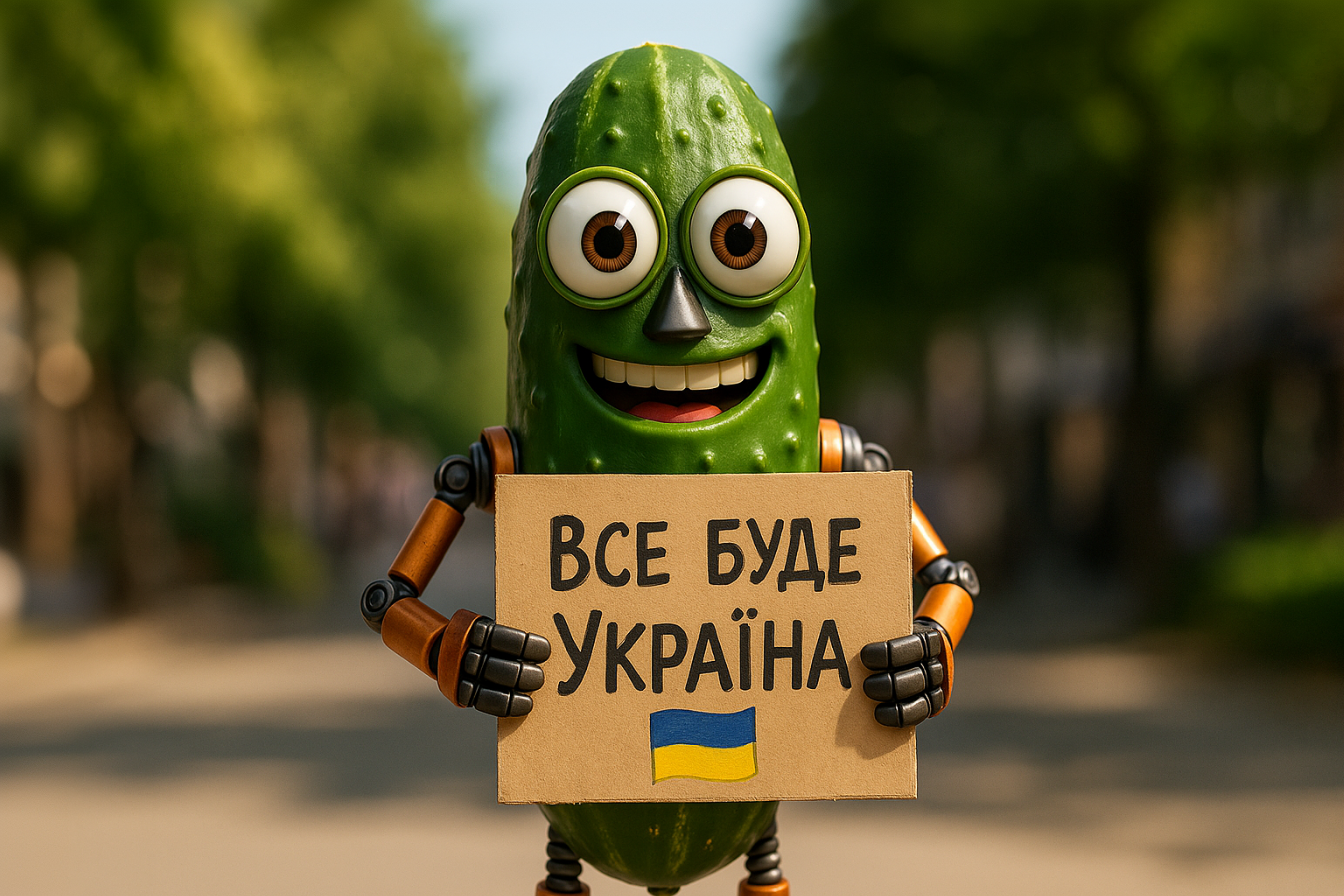
Nominative case — Ukraina
The good news about the nominative case is that it is a sort of "non-case" case: it is the standard form of nouns, and what you’ll see when you look one up in the dictionary.
To change a noun out of the nominative case and into another one, however, you’ll need to be able to identify its gender in order to decline it correctly. To do that, look at the noun's last letter:
Masculine nouns end in a consonant
Neuter nouns end in –o or –e
Feminine nouns ending in –а or –я
Plural nouns end in –і or –и
If you get lost while deciphering a sentence, take a moment to look for the noun that is in nominative form. This is probably the subject of your sentence, and identifying it will help you figure out what's going on with the rest of the sentence.
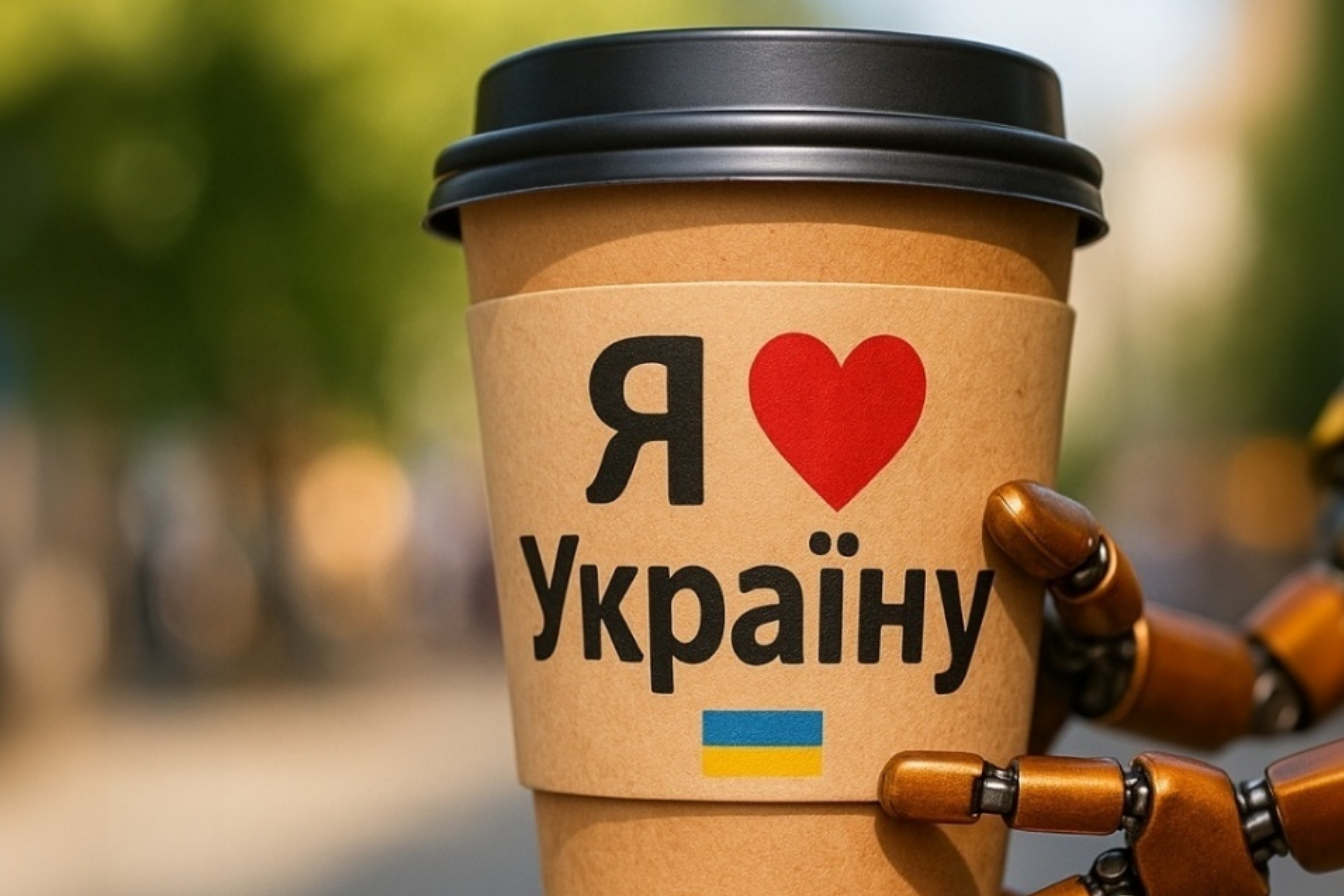
Accusative case — Ukrainu
The main use of the accusative is to mark the direct object of a sentence. You can consider the direct object to be the "target” of a verb, such as the word food in the sentence "the cat eats the food". The direct object is the food you are eating, the ball a soccer player is kicking, the movie you are watching, and so forth — you're doing something, and the direct object is the particular thing that's being done.
The good news is that, in the accusative, only feminine nouns change. Masculine and neuter nouns look the same as they do in the nominative case. For example:
(The girl sees a chicken.) Дівчина бачить курку. → chicken is she
Divchyna bachyt’ kurku.
(The girl sees a table.) Дівчина бачить стіл. → no change, since table is he
Divchyna bachyt’ stil. (no "u")
This is, unfortunately, where we encounter our first exception. If the direct object of a sentence is an animate masculine noun (loosely speaking, something that is an alive male), it must be declined into the genitive case, rather than the accusative case.
Let's see a man called Maksym. He takes a genitive case ending because Maksym is (a) a direct object, (b) masculine, and (c) alive.
(We’re waiting for Maksym.) Ми чекаємо Максима. → Максим > Максима
My chekayemo Maksyma.
Can you remember the rhyme -а turns inro -у, -я turns into -ю?
If you can, that’s the entire accusative case (at least for inanimate objects i.e. things), as feminine nouns typically end in –a and only feminine nouns change in the accusative.
(Let’s invite Oksana for some tea.) Давай запросимо Оксану на чай. → Оксана > Оксану
Davai zaprosymo Oksanu na chai.
(Let’s invite Yulia for some tea.) Давай запросимо Юлію на чай. → Юлія > Юлію
Davay zaprosymo Yuliyu na chay.
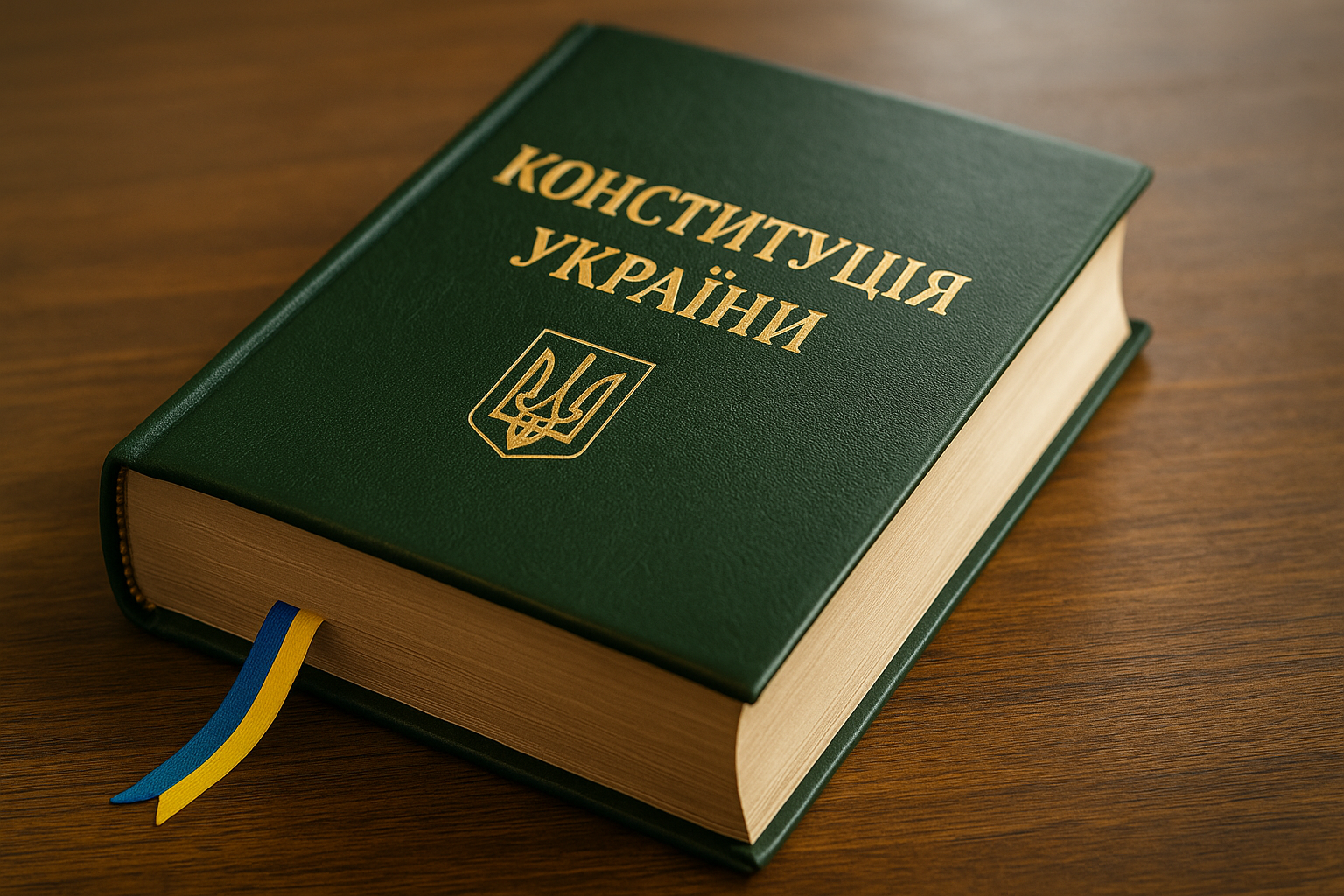
Genitive case — Ukrainy
The genitive case is the most used case (apart from the nominative), so it makes sense to concentrate on it when starting out. Thankfully, its usage is fairly straightforward. The genitive is used in the same way that we use the preposition “of” in English.
(This is the logo of the school.) Це логотип школи. → школа > школи
Tse lohotyp scholy.
A few other common uses of the genitive case:
With нема(є) (nema(je) / no), to say that you do not have something
With words that indicate quantity, such as багато (bahato / much, many), мало (malo / a few), купа (kupa / loads of).
As discussed above, the genitive case endings are also used in place of the accusative ones when the direct object of a sentence is alive and masculine.
For masculine nouns, just add –a or -у to the end of the word.
(There is a river, but no bridge.) Тут є ріка, але нема моста. → міст > моста
Tut ye rika, ale nema mosta.
For feminine nouns, –a endings change to –и, and –я endings change to –і.
Most plural masculine nouns take –ів endings.
Plural nouns ending in a soft sign (ь) take –ей endings.
(There ia a house, but no keys.) Тут є дім, але нема ключів. → ключ > ключів
Tut ye dim, ale nema klyuchiv.
Spend a couple of minutes making yourself a food shopping list in Ukrainian. You'll be shopping for this stuff, naturally, because these items are missing from your fridge. That makes them excellent candidates for a "нема sentence".
Here's the status of my fridge for you:
(I have no sugar, sour cream or cream.) У мене немає цукру, сметани чи вершків.
цукор > цукру / сметана > сметани / вершки > вершків
U mene nemaje tsukru, smetany chy vershkiv.
Now it's your turn! Try to use a mix of masculine, feminine and plural nouns. If you do this every time, you go shopping, you’ll be a master of the genitive in no time. Afterwards, you can check your work with declension dictionaries like slovnyk.ua
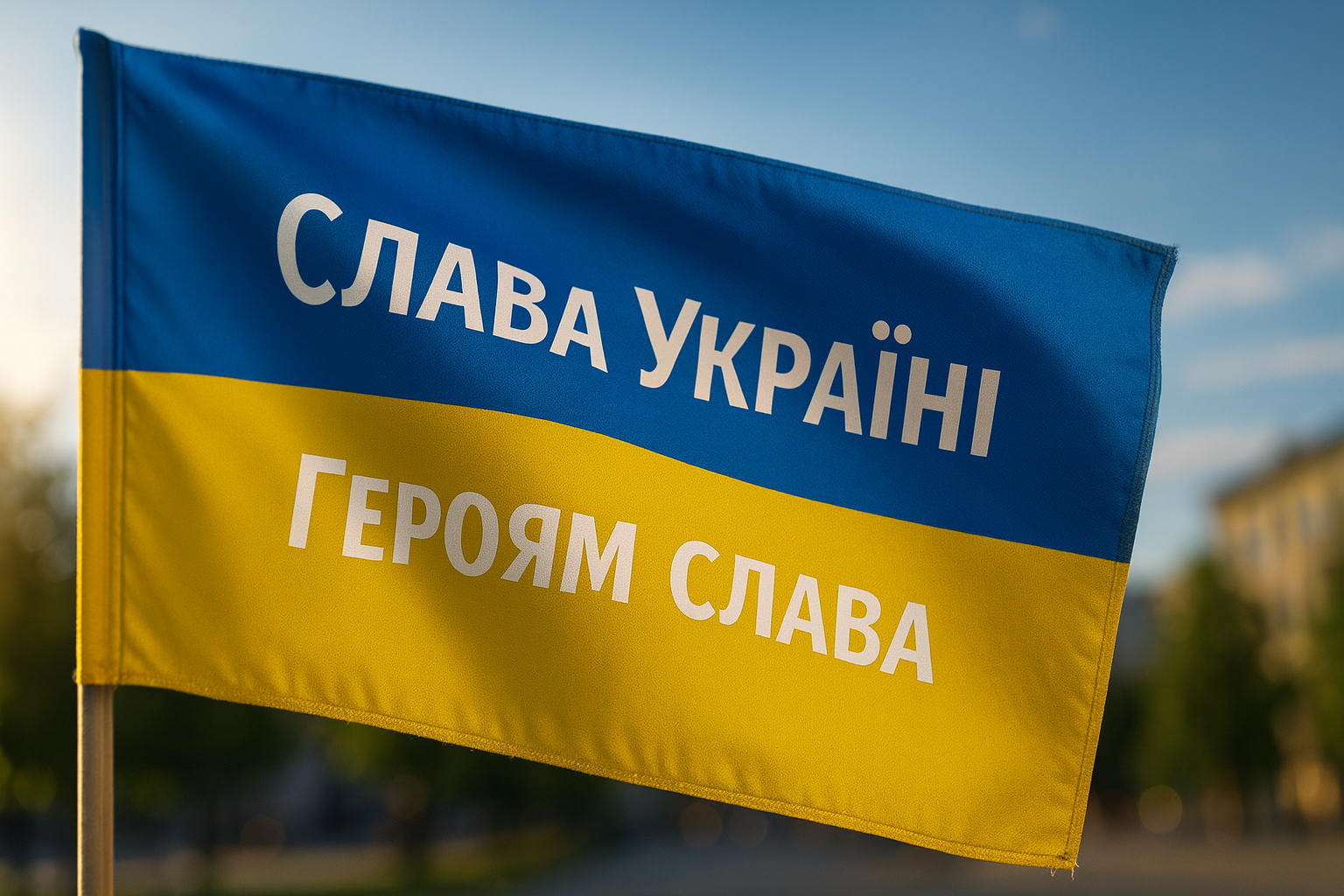
Dative case — Ukraini
Just as the genitive case is largely a way to say "of" in Ukrainian, you can think of the dative case as being a way to say "to".
Dative-case triggers include verbs like давати (davaty; to give), говорити (hovoryty; to say) and дякувати (dyakuvaty; to thank).
Masculine nouns have their ending changed to –у or -ю
Feminine nouns change their ending to –і
Plural nouns take the ending –ам (or –ям for nouns with soft endings)
(The guy promised the girl a star from the sky.) Хлопець обіцяв дівчині зірку з небес.
→ дівчина > дівчині
Khlopets' obitsyav divchyni zirku z nebes.
Here’s an exercise that will help you in perfecting your use of the dative case:
Try to think of the last 4-5 people that you sent an instant message or email to (аs a side note, phone calls take the dative case, too). Now describe those interactions using the dative case.
(In the morning I wrote an email to Oksana. Then I phoned Petro. At 10:00 I wrote a message to my boss.)
Bранці я написав імейл Оксані. Потім я подзвонив Петру. О 10:00 я написав повідомлення босу.
→ Оксана > Оксані / Петро > Петру / бос > босу
Vrantsi ya napysav imeyl Oksani. Potim ya podzvonyv Petru. O desyatiy ya napysav povidomlennya bosu.
Instrumental case — Ukrainoyu
The instrumental case is generally used to convey the meaning of "with" or to show that an action has been done by something or someone.
Ukrainian "with" (z) might have slightly different forms "iz" or "zi" and is also used in fixed congratulatory phrases like “з днем народження!” (z dnem narodzhennia / happy birthday!)
For masculine nouns, the instrumental is very much about the –ом, ( –ем or –єм for nouns with soft endings).
For feminine nouns, endings are –ою (–ею or -єю for nouns with soft endings)
Plural nouns use the –ами ending (–ями for soft endings)
If you’re a fan of Ukrainian food, I’m sure you’ve tried borshcht with sour cream
борщ зі сметаною (borshch zi smetanoyu)
As with all cases, one of the best ways to get the case endings down by heart is to practice the instrumental while speaking. Imagine you’re ordering a sandwich in Ukrainian, and try to request as many fillings as possible:
(I’ll have a sandwich with cheese, salami, lettuce, ham and pepper.)
Дайте, будь ласка бутерброд iз сиром, ковбаскою, салатом, шинкою і перцем.
cир > сиром; ковбаска > ковбаскою; салат > салатом; шинка > шинкою; перець > перцем
Dayte, bud’ laska buterbrod iz syrom, kovbaskoyu, salatom, shynkoyu i pertsem.
Why not get some drinks as well? Take a coffee with milk and cinnamon, and tea with jam.
Кава з молоком та корицею, i чай з джемом.
Kava z molokom ta korytseyu, i chay z dzhemom.
молоко > молоком; кориця > корицею; джем > джемом
Locative case — Ukraini
The locative case is, thankfully, one of the easier cases to figure out.
It’s used (almost) exclusively with just three prepositions, which mean "in", "on" or "at":
у (u), в (v) and на (na)
That in mind, it might help to just think of the locative case as being "a place".
For masculine nouns, add –і to the ending
For feminine nouns, also add –і (or –ї for soft endings)
Plural nouns end in –ах (or –ях for nouns with soft endings)
(I live in Paris.) Я живу в Парижі.
Париж > Парижі
Ya zhyvu v Paryzhi.
Think about where a few of your friends or family members are at this moment, and make up sentences accordingly. Like: Right now, my mum is at work, my sister is at school, and my friend is at the theatre.
Моя мама зараз на роботі, сестра в школі, a мій друг у театрі.
робота > роботі; школа > школі; театр > театрі
Moja mama zaraz na roboti, sestra v shkoli, a miy druh u teatri.

Vocative case — Ukraino
This case is used to appeal to somebody, either a person, animal, or thing. It is often in official letters, books or on TV, but rare in the everyday life.
Masculine names have their ending changed to –у or -ю or -е
Feminine names change their ending to -ю or -є
Also, both genders can get ending -о
(Olena, please write to me.) Олено, напишіть мені, будь ласка.
Олена > Олено
Oleno napyshit' meni bud' laska.
Ask your interlocutors how to address them best. Perhaps, they never use the vocative case and don't expect it from you.
How we took on the cases
The more Ukrainian you hear and use, the more those case endings start to click. After a few exposures to a set phrase, your brain begins to “know” it—and soon you’ll catch yourself applying the same pattern in new sentences.
To make that happen, keep it regular and light:
10–15 minutes a day. One case per week, 3–5 anchor phrases.
Hear → Repeat → Use. Shadow a line, then drop it in a real message or comment.
Recycle. Review yesterday’s lines before adding a new one.
If you take one thing from this article, let it be this: context beats cramming—practice cases inside real phrases and real conversations.
Ready to practice with kind humans?
🎧 Listen to our mini-lessons on ukrainianup.club/spotify.
👭 Join the Ukrainian Up Podcast Facebook group and post one thing a day.
❓ Ask Ukrainians your questions—they’re lovely and happy to help.
Keep it small, keep it daily, and your cases will follow. 💛💙