


Are you interested in starting your trading career but don't know where to begin?
Trading can become a valuable financial skill if you approach it with proper education, discipline, risk management, and a well-planned strategy.
There are three popular areas to explore:
Stock Market Trading – Buying and selling shares, indices, ETFs and derivatives.
Forex Trading – Trading currency pairs such as EUR/USD, GBP/USD and USD/JPY.
Cryptocurrency Trading – Trading digital assets such as Bitcoin, Ethereum and other cryptocurrencies.
If you are starting in India, I recommend learning the Indian stock market first, understanding risk management, and exploring other markets only after understanding their regulations.
1. Step-by-step: Open a brokerage account world wide
You generally need three accounts:
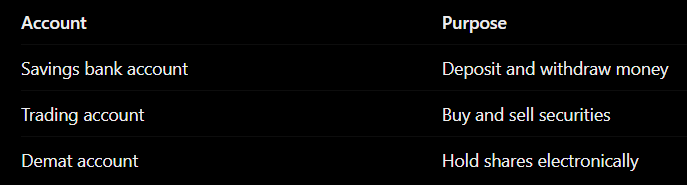 How to open an account:
Choose a regulated broker SIGN UP HERE.
Visit its official website or download its app.
Complete online KYC.
Submit PAN, identity and address details.
Complete verification and link your bank account.
Activate your trading account.
Start with small amounts after learning the platform. or practice PAPER TRADING or DEMO Account first for forex, crypto trading
PAPER TRADING PROOF
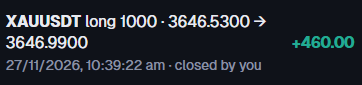
Examples of brokers include SIGN UP 1 SIGN UP 2
AND Get Tether Gold worth ₹200 on your first deposit of minimum 5000 when you sign up with my link or code " P4RLG117 "
👉 Click the link to download now! MUDREX
2. Forex trading
Forex trading involves buying one currency and selling another.
Popular currency pairs:
EUR/USD
GBP/USD
USD/JPY
USD/INR
Important for Indian residents: Forex trading is regulated under FEMA. Use only RBI-authorised persons and permitted platforms or recognised exchanges. Offshore forex platforms offering unauthorised leveraged trading can create legal and financial risks.
3. Cryptocurrency trading

Cryptocurrency trading involves buying and selling digital assets.
Popular cryptocurrencies:
Bitcoin (BTC)
Ethereum (ETH)
Solana (SOL)
XRP
Basic steps:
Research an exchange operating in as per your country regulating exchanges.
Check its regulatory and FIU-IND compliance status.
Complete KYC.
Secure your account with two-factor authentication.
Learn spot trading before considering more complex products.
Understand Indian taxation and record-keeping requirements.
Crypto is highly volatile. Never trade with borrowed money or money needed for essential expenses.
4. A sensible 30-day beginner roadmap
Days 1–7: Learn the basics
Understand markets, trading terminology, candlesticks and order types.
Days 8–14: Open your account
Complete KYC, explore the trading platform and learn how orders work.
Days 15–21: Practice
Use paper trading and practise entry, exit and stop-loss strategies.
Days 22–30: Build a strategy
Maintain a trading journal and evaluate your results before risking real money.
5. Essential rules for protecting your money
Never invest your entire savings in trading.
Risk only 1% of your trading capital on a single trade while learning.
Always use stop-loss orders.
Avoid excessive leverage and borrowed money.
Never follow guaranteed-profit Telegram or WhatsApp groups.
Track every trade and maintain a trading journal.
Understand applicable taxes. Indian crypto gains generally attract 30% tax plus applicable surcharge and cess, with 1% TDS potentially applying.
My recommendation: Focus on learning first, practising with virtual money, and protecting your capital. Trading should be treated as a professional skill, not a shortcut to quick profits.